You’ve brewed a few kit beers, you’re proud of the results, and now you’re itching to go further. The internet tells you the next step is either extract brewing or all-grain brewing, but every forum thread turns into a tribal war about which one is “real” brewing. One side says extract is cheating. The other side says all-grain is pointlessly complicated for home brewers. Neither side is right, and both are missing the point.
In This Article
- What Is Extract Brewing
- What Is All-Grain Brewing
- Equipment and Cost Comparison
- Brew Day: Time Commitment
- Flavour and Quality: The Honest Truth
- Recipe Flexibility and Creativity
- The Learning Curve
- Common Mistakes in Each Method
- Which Method Should You Start With
- Can You Mix Both Methods
- Frequently Asked Questions
What Is Extract Brewing
Extract brewing uses malt extract — a concentrated syrup or dry powder made from malted barley that has already been mashed by the manufacturer. The sugars have been extracted from the grain for you, so you skip the mashing step entirely and go straight to the boil.
How It Works
- Heat water in your brew kettle
- Dissolve the malt extract (liquid or dry) into the hot water
- Bring to a boil and add hops at scheduled intervals
- Cool the wort, transfer to a fermenter, and add yeast
- Ferment, bottle or keg, and drink
That’s it. The entire process from start to fermenter takes about 2-3 hours, including cleanup.
Types of Malt Extract
- Liquid Malt Extract (LME): thick, sticky syrup. Easier to dissolve but has a shorter shelf life. Comes in light, amber, and dark varieties. Stores for about 6 months once opened
- Dry Malt Extract (DME): fine powder. Longer shelf life, easier to measure precisely, but clumps if it touches moisture. Stores indefinitely in a sealed container
- Hopped vs unhopped: some extracts come pre-hopped (like beer kits), while extract brewing typically uses unhopped extract so you can add your own hops for full flavour control
What You Can Brew
Almost anything. Extract versions exist for IPAs, stouts, porters, pale ales, wheat beers, and most traditional styles. Some specialist styles — particularly lagers that rely on very specific malt profiles — are slightly harder to nail with extract alone, but for 90% of beer styles, extract produces excellent results.
What Is All-Grain Brewing
All-grain brewing starts with malted barley (and sometimes other grains like wheat, oats, or rye) rather than pre-made extract. You perform the mashing process yourself — soaking crushed grain in hot water at specific temperatures to convert the starches into fermentable sugars.
How It Works
- Heat strike water to the correct temperature (typically 62-68°C depending on the style)
- Add crushed grain and maintain the mash temperature for 60-90 minutes
- Sparge — rinse the grains with hot water to extract the remaining sugars
- Collect the sweet wort in your kettle
- Boil, add hops, cool, ferment — same as extract from here
The mashing and sparging steps add 2-3 hours to the process compared to extract brewing.
Why Brewers Move to All-Grain
The primary reason is control. When you mash your own grain, you decide the exact grain bill — which malts, in what proportions, at what temperature. Mash temperature affects how fermentable the sugars are, which directly influences body, mouthfeel, and residual sweetness. That level of precision isn’t available with extract.
The Grain Bill Advantage
With all-grain, you can use dozens of different malts in a single recipe. Maris Otter as a base, a touch of crystal 40 for caramel sweetness, a handful of chocolate malt for colour, some flaked oats for body. Each grain adds a specific characteristic, and adjusting the proportions by even 5% changes the finished beer. For more on understanding grain options, our guide to base and specialty malts goes into detail.
Equipment and Cost Comparison
Extract Brewing Setup
The beauty of extract brewing is that you probably already own most of what you need if you’ve done kit brewing:
- Brew kettle (15-20 litres): £25-45 from Amazon UK or The Malt Miller
- Fermenter with airlock: £10-20 (you likely have one already)
- Thermometer: £5-10
- Hydrometer: £5-8
- Siphon and bottling gear: £10-15
Total starter cost: approximately £55-100 on top of existing kit brewing equipment.
All-Grain Brewing Setup
All-grain requires additional equipment for the mashing and sparging process:
- Mash tun (insulated): £40-80 for a converted cool box, £100-200 for a purpose-built stainless steel vessel
- Larger brew kettle (25-30 litres): £40-70
- Sparge arm or jug: £10-25
- Grain mill (optional but recommended): £50-100
- Wort chiller: £25-50 (copper immersion type)
- Fermenter, thermometer, hydrometer: as above
Total starter cost: approximately £175-400 depending on whether you buy new or build from converted equipment.
Running Costs Per Batch
- Extract batch (23 litres): approximately £20-30 for extract, hops, and yeast
- All-grain batch (23 litres): approximately £12-20 for grain, hops, and yeast
All-grain wins on running costs because base malt is cheap — about £1.20-1.60 per kg from UK homebrew shops. A typical 23-litre batch uses 4-5kg of grain. Extract costs more per batch because the manufacturer has done the mashing work for you.
Over a year of monthly brewing, that £8-10 per batch saving with all-grain adds up to roughly £100-120 — which nearly pays for the extra equipment.
Brew Day: Time Commitment
This is where the practical reality kicks in. Time is the currency most home brewers are short of, and the two methods demand very different amounts of it.
Extract Brew Day
- Heating and dissolving extract: 20-30 minutes
- Boil (60 minutes standard): 60 minutes
- Cooling and transferring: 20-30 minutes
- Cleanup: 20-30 minutes
Total: 2-2.5 hours from setup to cleanup. You can start after Sunday lunch and be done before the football’s on.
All-Grain Brew Day
- Heating strike water: 20-30 minutes
- Mashing: 60-90 minutes
- Sparging: 30-45 minutes
- Boil (60-90 minutes): 60-90 minutes
- Cooling and transferring: 30-40 minutes
- Cleanup (more equipment): 30-45 minutes
Total: 4-6 hours depending on efficiency and how methodical you are. This is a morning-to-afternoon commitment. After a year of all-grain brewing, the routine gets faster — closer to 4 hours — but it never drops below 3.5 hours for a full batch.
The Weekend Factor
For many UK home brewers, this is the deciding factor. If your weekends are packed with family commitments, DIY projects, and the occasional social life, finding a 5-hour window every few weeks is harder than finding 2.5 hours. Extract brewing fits around life. All-grain brewing requires life to fit around it — at least until you’ve streamlined your process. For a related angle, see our Best Malt Extract Kits 2026 UK: Easy First Brews guide.
Flavour and Quality: The Honest Truth
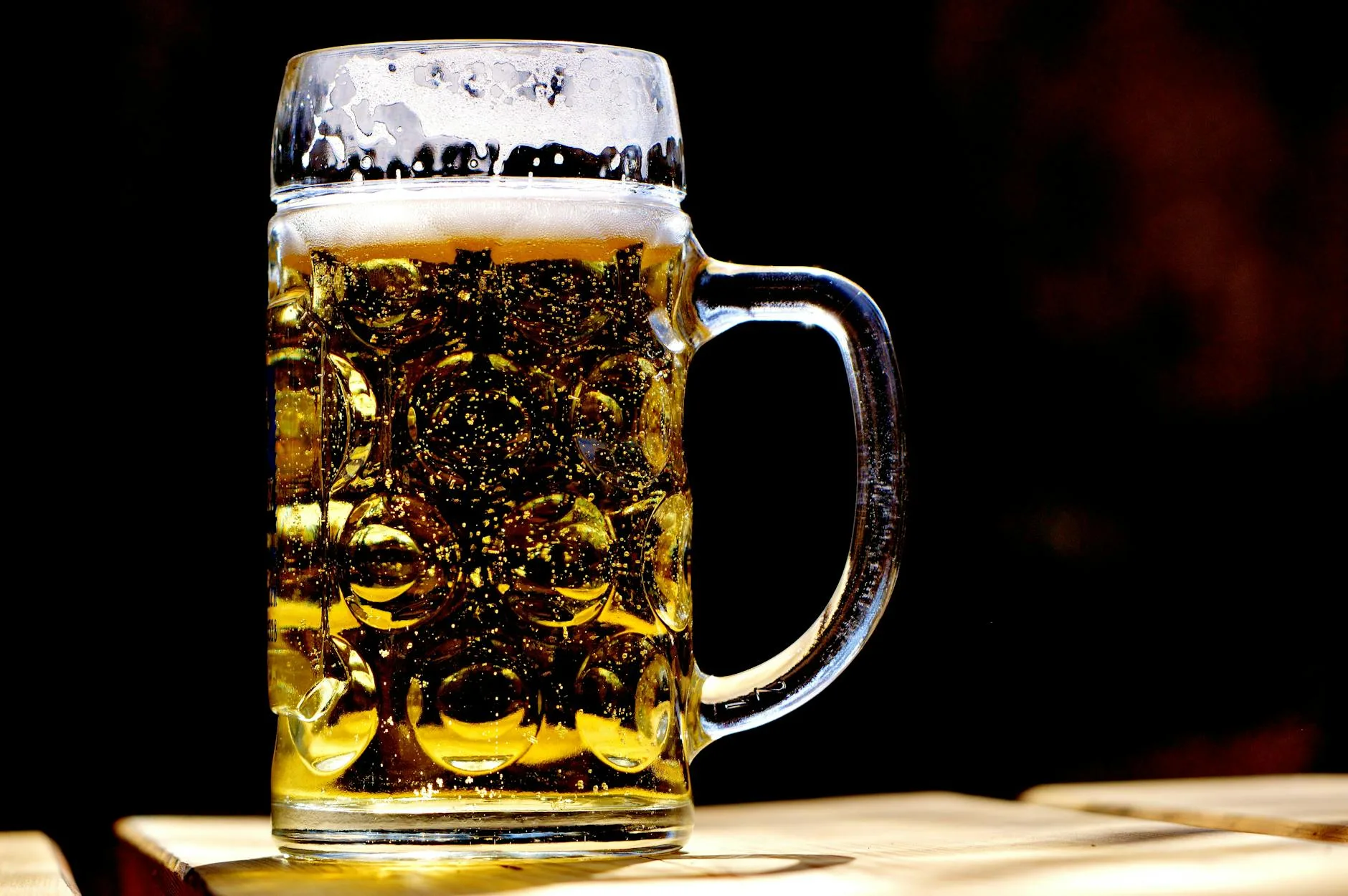
This is the question everyone really wants answered: does all-grain beer taste better?
The Short Answer
Not automatically. A well-made extract beer beats a badly made all-grain beer every time. Brewing technique — fermentation temperature control, sanitation, yeast health, water chemistry — matters more than whether you mashed your own grain.
Where All-Grain Has an Edge
- Freshness: fresh-mashed wort has a slightly cleaner, brighter flavour than extract, which can develop a subtle “twang” from processing and storage
- Malt complexity: all-grain allows you to layer multiple malts for depth that’s hard to replicate with extract alone
- Lighter beers: pale ales, pilsners, and lighter styles benefit most from all-grain because there’s nowhere for any extract character to hide
- Mouthfeel control: mash temperature directly affects body and sweetness in ways that extract can’t match
Where Extract Holds Its Own
- Dark beers: stouts, porters, and dark ales mask any extract character beautifully. Many award-winning dark beers have been brewed with extract
- Heavily hopped beers: big IPAs and hop-forward styles where malt is a supporting player rather than the star — the hop character dominates regardless of extract vs all-grain
- Consistency: extract is manufactured to spec. Every batch of the same extract produces the same base. All-grain introduces variables (mash efficiency, temperature accuracy) that take practice to control
The Blind Tasting Reality
Several homebrew competitions have run blind tastings comparing extract and all-grain versions of the same recipe. The results consistently show that most people — including experienced brewers — struggle to reliably tell the difference in mid-range styles. The gap narrows further when the extract brewer uses fresh, quality extract and controls fermentation well.
It’s worth remembering that home brewing for personal use is perfectly legal in the UK — no licence needed, no duty to pay. With that freedom, the quality of your finished beer depends far more on fermentation management than the choice between extract and all-grain.
Recipe Flexibility and Creativity
Extract: Good, But Limited
With extract, you’re working with pre-made base flavours (light, amber, dark) and adding speciality grains steeped in hot water for complexity. You can create a wide range of styles, but you’re always building on top of someone else’s foundation.
The creative toolkit includes:
- Steeping speciality grains (crystal, chocolate, roasted barley) for flavour and colour
- Full hop control — any variety, any schedule
- Yeast selection — the full range of ale and lager yeasts
- Adjuncts — fruit, spices, coffee, honey, all work with extract
All-Grain: Total Control
All-grain opens the entire grain bill as a creative tool. You choose every malt, every proportion, and the mash temperature. This matters for styles where the grain character is central — Belgian ales with complex malt profiles, Scotch ales with layered caramel notes, or a German Märzen with specific Munich malt character. Our How to Brew a New England IPA: Hazy & Juicy guide is useful alongside this.
You also gain the ability to experiment with mash techniques:
- Step mashing for wheat beers and lagers
- Decoction mashing for traditional German styles
- Mash-out to control fermentability
For recipe design resources, our guide to hops varieties and flavours covers the other half of the flavour equation.
The Learning Curve
Extract: Gentle Start
If you’ve brewed from kits, extract brewing is a natural next step. The process is familiar — you’re just replacing the pre-hopped kit extract with unhopped extract and adding your own hops. The learning curve centres on:
- Hop schedules — understanding when to add hops for bitterness, flavour, and aroma
- Wort cooling — getting from boiling to pitching temperature quickly enough to avoid contamination
- Water volume management — topping up to hit your target batch volume
Most extract brewers produce consistently good beer within 3-5 batches. The first extract IPA we brewed — after a year of kit beers — was better than anything that came out of a tin.
All-Grain: Steeper but Rewarding
All-grain introduces several new skills:
- Mashing — hitting and maintaining the right temperature for conversion
- Sparging — rinsing grains efficiently without extracting tannins
- Mash efficiency — calculating and improving how much sugar you’re extracting from the grain
- Water chemistry — adjusting mineral content to suit the beer style
- Volume calculations — accounting for grain absorption, boil-off rate, and dead space
Expect your first 5-8 all-grain batches to be a learning experience. Efficiency will be lower than expected, temperatures will drift, and your pre-boil volumes will be off. This is normal. By batch 10, most brewers have their system dialled in and produce reliable results.
Common Mistakes in Each Method
Extract Mistakes
- Using old extract — LME darkens and develops off-flavours with age. Always check the date and buy from busy homebrew shops with high turnover. The Malt Miller, BrewUK, and Geterbrewed all have good stock rotation
- Adding extract to dry kettle — dissolved extract scorches on the bottom of a dry kettle. Always add extract to water that’s already at temperature, and stir constantly
- Not doing a full boil — some extract recipes suggest partial boils (concentrating 10 litres and diluting to 23). Full-volume boils produce better hop utilisation and cleaner flavour
- Ignoring fermentation temperature — this is the number one quality factor regardless of method. Keep your fermenter at the yeast’s optimal range, typically 18-20°C for ale yeast
All-Grain Mistakes
- Mashing too hot — above 70°C kills the enzymes that convert starch to sugar, leaving you with an unfermentable, starchy wort
- Sparging too fast — rushing the sparge leaves sugar behind in the grain bed. Slow and steady — 30-45 minutes for a full sparge
- Ignoring water chemistry — the minerals in your water affect mash pH, enzyme activity, and hop perception. A basic water report from your supplier (usually free from your water company’s website) is a good starting point. Our water chemistry guide covers the fundamentals
- Crushing grain too fine — over-crushed grain leads to stuck sparges (the grain bed compacts and water can’t flow through). A double-roller mill with a standard 1.2mm gap works well for most setups — after ruining two batches with flour-fine grain from a single-roller mill, the upgrade was non-negotiable
Which Method Should You Start With
Choose Extract If…
- You’re new to brewing beyond kits and want a manageable step up
- Your weekends are already full and you need a process that fits in 2-3 hours
- Your brewing space is limited (kitchen-top brewing is simple with extract)
- You want consistently good beer without mastering a complex process first
- You’re on a tight initial budget
Choose All-Grain If…
- You’ve brewed several extract batches and want more creative control
- You have 5-6 hours available on brew days
- You enjoy the process and science of brewing, not just the end product
- You have space for a mash tun and larger kettle (garage, shed, or outdoor setup works)
- You want to reduce your per-batch ingredient cost over time
The Typical Path
Most UK home brewers follow this progression: kits → extract → all-grain. There’s no shame in staying at any stage. Plenty of experienced brewers stick with extract because it fits their lifestyle and produces beer they’re happy with. The goal is making beer you enjoy drinking — not impressing people on homebrew forums.
Can You Mix Both Methods
Yes — and many experienced brewers do. The hybrid approach is called partial mash (or mini-mash), and it combines the convenience of extract with some of the control of all-grain.
How Partial Mash Works
- Mash a small amount of grain (1-2kg) for specialty flavour and body
- Combine the mashed wort with malt extract for the bulk of the fermentable sugar
- Boil, hop, and ferment as normal
This gives you fresh grain character without a full mash tun setup, and adds 30-45 minutes to a standard extract brew day.
When Partial Mash Makes Sense
- Transitioning to all-grain — it teaches mashing basics without the full equipment investment
- Styles that need specific grain character — a partial mash with Munich malt for an Oktoberfest, or flaked oats for a hazy IPA, adds authenticity without going full all-grain
- Limited space or time — all the benefits of extract’s convenience with a grain-forward flavour boost
Frequently Asked Questions
Is extract brewing considered “real” brewing? Yes. Extract brewing involves choosing your own hops, yeast, and speciality grains, controlling fermentation, and creating a finished beer from individual ingredients. The only step you skip is mashing — and many award-winning homebrewers use extract exclusively.
How much money do I save with all-grain brewing? Roughly £8-10 per 23-litre batch compared to extract. Over a year of monthly brewing, that’s about £100-120 saved on ingredients. The trade-off is higher upfront equipment costs (£175-400 for a basic all-grain setup) and longer brew days.
Can I make lager with extract? You can, though light lagers are the hardest style to brew well with extract because any extract character is more noticeable in clean, crisp styles. Dark lagers (Schwarzbier, Dunkel) work much better with extract. For a proper pilsner, all-grain gives you more control over the delicate malt profile.
Do I need a grain mill for all-grain brewing? Not immediately — most UK homebrew shops (The Malt Miller, BrewUK, Geterbrewed) will mill your grain for free or a small charge when you order. A home mill (£50-100) is worth buying once you’re brewing regularly, as freshly milled grain produces better results than pre-crushed grain that’s been sitting in a bag.
What’s the best all-grain recipe to start with? A simple English bitter or ordinary bitter. It uses only 2-3 malts, a single hop variety, and a simple mash schedule. If it goes slightly wrong, the style is forgiving enough that it’ll still taste decent. Avoid starting with a lager or anything requiring precise temperature control.
What homebrew kit should beginners buy first? Start with a fermenter, sanitiser, thermometer, hydrometer, syphon and bottles or a small keg setup. Keep the first brew simple.
What causes most beginner homebrew problems? Poor sanitation, unstable fermentation temperature and rushing bottling cause most faults. Clean process beats extra equipment.
What should I check first with Extract vs All-Grain Brewing: Which Should You Start With?? Start with the real use case, then check size, compatibility, running costs and maintenance. A product that looks good on paper can still be the wrong fit if it does not suit the room, routine or budget.
How do I avoid wasting money on Extract vs All-Grain Brewing: Which Should You Start With?? Avoid buying on one headline feature alone. Compare the practical details, read the warranty or returns terms, and choose the option that solves your main problem rather than the one with the longest specification list.