You’ve got six demijohns of elderflower wine bubbling away in the spare room, a blackberry batch from last autumn that’s nearly ready, and a mate just dropped off a carrier bag of plums from his allotment. You know how to make fruit wine — but do you actually know what it’s going to taste like before you commit three months of waiting to find out?
That’s the thing about fruit wines. Unlike grape wine, where you can roughly predict flavour from the variety and region, fruit wines are wildcards. A damson wine can range from tart and tannic to smooth and port-like depending on how you handle it. Elderflower can be delicate and floral or taste like perfumed dishwater if you overdo the petals. Knowing what each fruit brings to the glass — and what pitfalls to avoid — saves you from six months of fermentation only to pour something down the sink.
In This Article
- How Fruit Wines Differ from Grape Wines
- Berry Wines: Blackberry, Elderberry and Raspberry
- Stone Fruit Wines: Plum, Damson and Cherry
- Orchard Fruit Wines: Apple, Pear and Quince
- Flower and Herb Wines: Elderflower, Dandelion and Nettle
- Tropical and Citrus Wines: Mango, Pineapple and Orange
- How Sugar Levels Affect Flavour and Body
- The Role of Acid Balance in Fruit Wines
- Tannin and Mouthfeel: Why Some Fruit Wines Feel Thin
- Yeast Choice and Its Impact on Flavour
- Ageing: How Fruit Wines Change Over Time
- Blending Fruit Wines for Better Balance
- Common Flavour Faults and How to Avoid Them
- Frequently Asked Questions
How Fruit Wines Differ from Grape Wines
Grapes are uniquely suited to winemaking because they naturally contain the right balance of sugar, acid, and tannin. Most fruits don’t. Blackberries have tannin but not enough sugar. Elderflower has neither sugar nor acid. Apples have acid but almost no tannin. This is why fruit winemaking involves more adjustment than grape winemaking — you’re building the balance from scratch rather than preserving what’s already there.
The flavour profiles of fruit wines also evolve differently. Grape wines develop complexity through compounds already present in the grape skin and juice. Fruit wines rely more heavily on the fermentation process itself, which means your yeast choice, fermentation temperature, and ageing decisions have a disproportionate impact on the final flavour.
Fresh Fruit Character vs Fermented Character
The fruit you taste in the raw ingredient rarely survives fermentation unchanged. Strawberries, for example, lose almost all their recognisable flavour during fermentation — the volatile compounds that make a strawberry smell like a strawberry are destroyed by the yeast. What you’re left with is a light, slightly pink wine that tastes vaguely fruity but nothing like biting into a strawberry.
Other fruits hold up much better. Blackcurrants, damsons, and elderberries retain strong varietal character through fermentation. These are the fruits that make distinctive, recognisable wines.
The Sugar Question
Almost no fruit (aside from grapes) contains enough natural sugar to ferment to a drinkable alcohol level. You’ll be adding sugar to every batch — typically 1-1.5kg per gallon depending on the fruit and your target ABV. This added sugar doesn’t contribute flavour directly, but it affects body. A wine fermented to 12% from added sugar can taste thinner than a grape wine at the same strength because it lacks the glycerol and residual sugars that give grape wine its weight.
Berry Wines: Blackberry, Elderberry and Raspberry
Blackberry
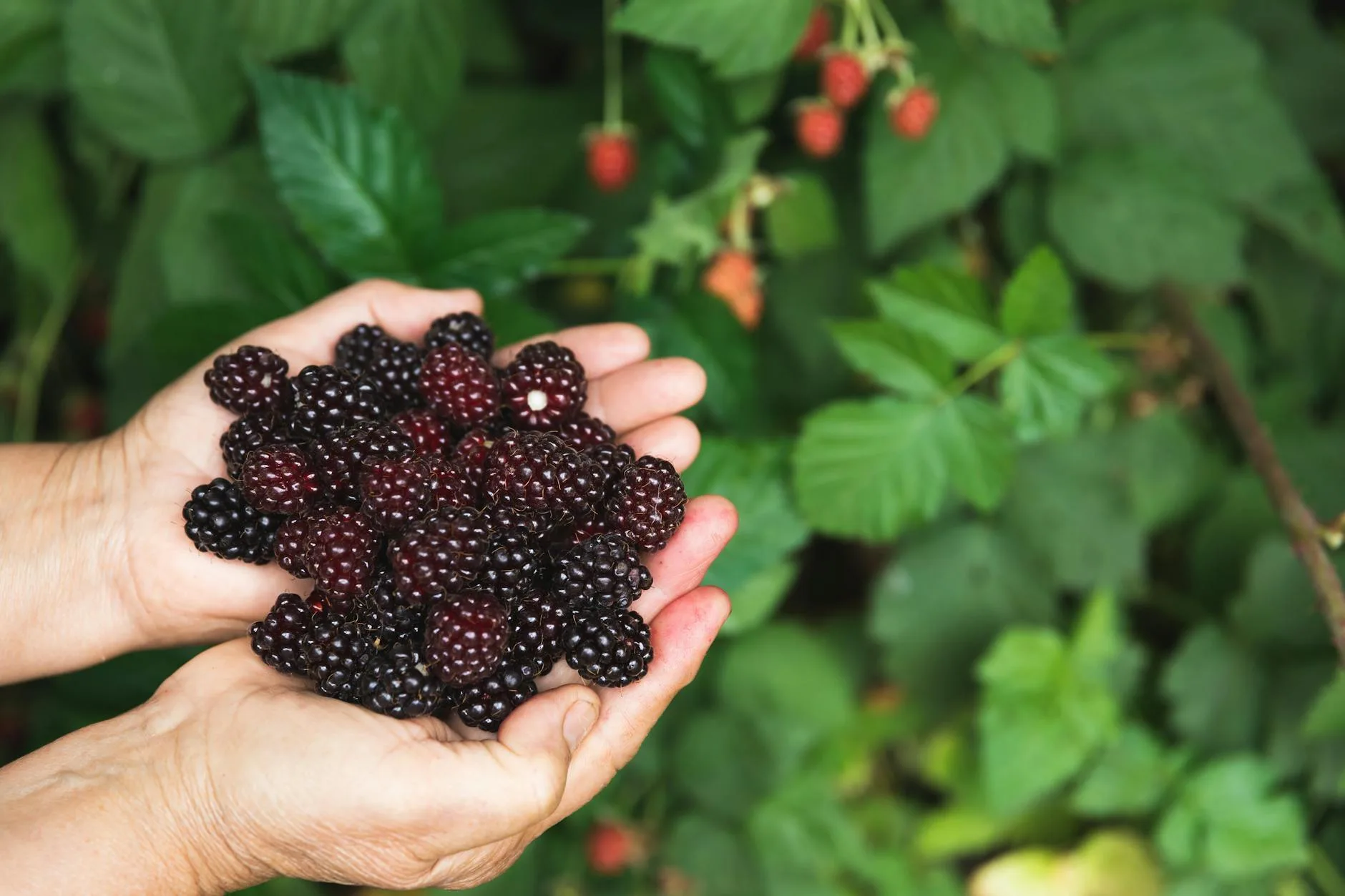
Blackberry is the king of British fruit wines, and for good reason. Wild blackberries are free, abundant in September, and they make a wine that can rival a decent Merlot. The flavour profile is dark fruit — think bramble jam without the sweetness — with earthy, slightly tannic undertones. A well-made blackberry wine aged for twelve months develops complexity that surprises people who assume all country wines taste like alcoholic Ribena.
The key is using fully ripe berries. Under-ripe blackberries produce a harsh, astringent wine with an unpleasant green note that doesn’t age out. If you’re picking from hedgerows, taste before you pick — the ones at the top of the bush get the most sun and are usually the ripest.
Expected profile: Deep purple, medium body, dark berry and bramble flavours, moderate tannin, earthy finish. Drinks best at 12-18 months.
Elderberry
Elderberry wine is the heavyweight of the fruit wine world. It’s dark, inky, tannic, and full-bodied — often compared to Shiraz or Malbec. The flavour is intense: dark fruits, leather, a slight herbal bitterness. It can be overwhelming young but ages beautifully, sometimes improving for three to five years in the bottle.
The risk with elderberry is overdoing it. Too many berries per gallon produces a wine so tannic and bitter that it’s almost undrinkable. Most recipes recommend 1.5-2kg per gallon, but I’ve found 1.3kg gives a more balanced result that you don’t need to age for two years before it’s drinkable. Strip the berries from the stems completely — any stem material adds harsh, green bitterness.
Expected profile: Near-black, full body, dark fruit with leather and herbal notes, high tannin, benefits from extended ageing.
Raspberry
Raspberry wine is lighter and more delicate than blackberry or elderberry. The flavour is recognisably raspberry — tart, bright, with a floral top note — but it lacks the body and tannin of darker berries. It’s a summer wine, best served chilled, and it doesn’t improve much beyond six months in the bottle.
Fresh raspberries make far better wine than frozen. Frozen fruit releases more pectin during thawing, which can cause persistent haze even with pectic enzyme treatment. If you must use frozen, add double the normal dose of pectolase and leave it in the must for 48 hours before pitching yeast.
Expected profile: Pink to light red, light body, bright raspberry flavour, high acid, low tannin. Drink within 6-12 months.
Stone Fruit Wines: Plum, Damson and Cherry
Plum
Plum wine varies wildly depending on the variety. Victoria plums — the most common in UK gardens — produce a golden wine with a mild, honeyed flavour that’s pleasant but forgettable. Darker varieties like Czar or Marjorie’s Seedling give you more colour and a deeper, more complex flavour with hints of almond from the stone.
Speaking of stones — always remove them. Some recipes suggest fermenting with crushed stones for an almond-like character, but the stones contain amygdalin which breaks down into hydrogen cyanide during fermentation. The levels are tiny, but there’s no reason to take the risk when a splash of almond extract at bottling achieves the same effect safely.
Expected profile: Golden to deep amber (variety dependent), medium body, stone fruit and honey flavours, moderate acid. Ready at 6-12 months.
Damson
Damson wine is a British classic that deserves far more recognition. The flavour profile sits somewhere between a blackberry wine and a plum wine — dark fruit, moderate tannin, with a distinctive astringency that softens with age. A two-year-old damson wine can be genuinely excellent, with complexity that competes with commercial grape wines.
Damsons are intensely flavoured, so you need less fruit than you’d think. About 1.5kg per gallon produces a balanced wine. Much more than that and you’ll get something overwhelmingly tart that requires extended ageing to become approachable.
Expected profile: Deep red to purple, medium-full body, dark plum and sloe-like flavours, noticeable tannin, best aged 12-24 months.
Cherry
Cherry wine splits into two distinct camps: sweet cherry and sour cherry. Sweet cherry wines (from Stella, Sunburst, or similar garden varieties) are light, fruity, and easy-drinking — think rosé territory. Sour cherry wines (from Morello or similar cooking cherries) are more interesting: deeper colour, sharper acid, and a tangy, almost savoury character that pairs surprisingly well with food.
Morello cherries make the better wine by a wide margin, but they’re harder to source. If you can find a pick-your-own farm or have a Morello tree in the garden, you’re in luck. Frozen Morello cherries from Eastern European shops work well too — they’re typically sour varieties and available year-round.
Expected profile: Light red (sweet) to deep ruby (sour), light to medium body, cherry and almond notes, high acid in sour varieties. Drink within 12 months.
Orchard Fruit Wines: Apple, Pear and Quince
Apple
Apple wine is a strange one. Despite apples being the most abundant fruit in the UK, apple wine rarely impresses. The problem is that the compounds that make cider taste good — the malic acid, the tannin from cider apples, the gentle carbonation — don’t translate well to still wine. What you typically get is a thin, acidic, vaguely appley liquid that tastes like flat cider someone left in the sun. For a related angle, see our How to Make Fruit Wine from Garden Produce guide.
The exception is when you treat apple wine like white grape wine: cold-ferment it slowly with a good wine yeast (Lalvin EC-1118), add some grape concentrate for body, and back-sweeten slightly at bottling. This produces something that, while not amazing, is at least pleasant.
Expected profile: Pale gold, light body, mild apple and pear notes, high acid, low tannin. Best consumed young.
Pear
Perry pears make perry. Dessert pears make pear wine. They’re different things, and the distinction matters. Pear wine from Conference or Williams pears has a delicate, floral character with a honey-like sweetness that can be lovely. It’s the most fragile of the fruit wines — oxidation turns it brown and flat within weeks of exposure, so careful racking and sulphiting are essential.
Like apple wine, pear wine benefits from grape concentrate additions for body. About 250ml of white grape concentrate per gallon gives it the weight it otherwise lacks.
Expected profile: Pale gold to straw, very light body, floral and honey notes, moderate acid. Drink within 6 months of bottling.
Quince
Quince is an underrated winemaking fruit. Raw quince is rock-hard, astringent, and essentially inedible. Cooked or fermented, it transforms into something aromatic and complex — floral, honeyed, with a distinctive musky character that’s hard to describe but immediately recognisable. The RHS has a solid guide on growing quince in UK gardens if you’re thinking of planting your own.
Quince wine needs patience. It’s harsh and tannic when young but develops beautifully over 12-18 months. If you can get hold of quince (most greengrocers don’t stock them, but Turkish and Middle Eastern shops often do in autumn), it’s worth the effort.
Expected profile: Deep gold to amber, medium body, floral and musky with honey notes, moderate tannin. Needs 12-18 months ageing.
Flower and Herb Wines: Elderflower, Dandelion and Nettle
Elderflower
Elderflower wine is the most popular flower wine in the UK, and when it’s done well, it’s exquisite — light, floral, with a delicate Muscat-like aroma that makes it one of the finest country wines you can produce. When it’s done badly, it tastes like your gran’s perfume dissolved in white spirit. Our Best Wort Chillers 2026 UK: Immersion & Counterflow guide is useful alongside this.
The difference comes down to restraint. Most recipes call for too many flower heads. Eight to ten heads per gallon is plenty. More than that pushes the floral character from “delicate and lovely” to “overwhelming and soapy.” Pick the flowers on a dry, sunny morning when the pollen is at its peak, and use them within a few hours — elderflower loses its aroma fast once picked.
Expected profile: Pale gold, light body, floral and Muscat-like aroma, moderate acid, low tannin. Best within 6-12 months.
Dandelion
Dandelion wine sounds like something from a fairy tale, and the reality is similarly ethereal. It’s a very light, very delicate wine with subtle honey and floral notes. The flavour is more about what it isn’t — it isn’t tannic, it isn’t heavy, it isn’t acidic — than what it is.
The challenge is collecting enough flowers. You need roughly four litres of dandelion petals per gallon, which means picking hundreds of flowers and tediously removing the green sepals (which add bitterness). It’s a labour of love. Most people make it once, enjoy the novelty, and never bother again.
Expected profile: Pale straw, very light body, subtle honey and floral notes, low everything. Drink young.
Nettle
Nettle wine is the oddball of the flower wine family. It tastes nothing like nettles — the sting, obviously, is destroyed by the boiling process. What you get is a dry, slightly herbal wine with an earthy, almost grassy character. It’s not unpleasant, but it’s not exciting either. Think of it as a conversation starter rather than a wine you’d choose over a bottle of Sauvignon Blanc.
Pick young nettle tips in spring (wear gloves, obviously). Older nettles are coarser and produce a more bitter wine.
Expected profile: Pale green-gold, light body, herbal and grassy, moderate acid, very low tannin. Drink within 6 months.
Tropical and Citrus Wines: Mango, Pineapple and Orange
Mango
Mango wine is surprisingly good when done right. The flesh produces a wine with rich tropical flavour, golden colour, and a silky mouthfeel that most fruit wines lack. The challenge is pectin — mangoes are loaded with it, and without aggressive pectic enzyme treatment, you’ll end up with permanent haze. We cover a similar decision in Brewing Water Chemistry: A Beginner’s Guide to pH and Minerals.
Use ripe, fragrant mangoes. The Alphonso variety (available from Indian supermarkets in season, around May-June) makes the best wine. Supermarket Tommy Atkins mangoes work but produce a milder, less aromatic result. About 2kg of flesh per gallon gives good flavour without being overwhelming.
Expected profile: Deep gold, medium body, tropical mango aroma, smooth mouthfeel, moderate acid. Drink within 12 months.
Pineapple
Pineapple wine sounds tropical and exciting but typically disappoints. The bromelain enzyme in pineapple interacts with yeast in ways that can produce off-flavours — a slightly metallic, bitter edge that doesn’t age out. Tinned pineapple (in juice, not syrup) actually produces better wine than fresh because the canning process denatures the bromelain.
Expected profile: Pale gold, light body, mild tropical notes, can have metallic edge, high acid. Best as a base for blending rather than solo.
Orange
Orange wine (not to be confused with skin-contact grape wine) is a winter project. Blood oranges make the most interesting version — deep colour, complex citrus flavour with berry undertones. Regular navel oranges produce a lighter, more one-dimensional wine.
The biggest mistake is including too much pith. The white pith is intensely bitter, and that bitterness intensifies during fermentation. Zest the oranges carefully, juice them, and discard all pith. Some makers add a tablespoon of marmalade per gallon for complexity — Seville orange marmalade works particularly well.
Expected profile: Gold to amber (blood orange: pink-tinged), light-medium body, citrus zest and marmalade notes, high acid. Drink within 6 months.
How Sugar Levels Affect Flavour and Body
Sugar is more than fuel for fermentation — it’s a flavour tool. The amount of sugar you add, and how much remains after fermentation, shapes whether your wine tastes dry, off-dry, or sweet. You may also want to read Where to Buy Homebrew Ingredients in the UK.
Dry vs Sweet: Finding Your Target
Most fruit wines work best off-dry — not bone-dry like a Chablis, and not sweet like a dessert wine. A final gravity of 1.000-1.005 gives a hint of sweetness that rounds out the fruit character without tasting sugary. Completely dry fruit wines (below 1.000) can taste thin and harsh because they lack the residual sugars that give grape wines their smoothness.
Back-Sweetening
If your wine ferments to dryness and tastes too sharp, back-sweeten by adding sugar syrup after stabilising with potassium sorbate and Campden tablets. Add sugar in small increments — 25ml of syrup per bottle at a time — and taste after each addition. It’s easy to overshoot and end up with something cloyingly sweet.
High Gravity Fermentation
Starting with a very high sugar level (SG above 1.100) produces wines above 14% ABV that often retain residual sweetness because the yeast gives up before fermenting all the sugar. This is how traditional country wines like elderberry and damson achieve their port-like character. Use a high-alcohol-tolerant yeast like Lalvin EC-1118 if you want to ferment dry at these levels.
The Role of Acid Balance in Fruit Wines
Acid is what makes wine taste fresh, vibrant, and alive rather than flat and flabby. Too little acid and the wine tastes dull and lifeless. Too much and it’s aggressively sharp and undrinkable.
Acid Testing
A pH meter is the best way to check acid levels. Target pH 3.2-3.6 for most fruit wines. Below 3.0 is too sharp; above 3.8 is too flat and also increases infection risk because acid helps prevent bacterial growth. For a related angle, see our How to Brew Low-Alcohol Beer at Home guide.
If you don’t have a pH meter, an acid test kit (about £8-12 from The Home Brew Shop) works well enough. Target titratable acidity of 0.55-0.75%.
Acid Adjustments
- Citric acid — the most common adjustment acid. Sharp and clean. Add at 1-2 teaspoons per gallon if the must tastes flat
- Tartaric acid — smoother than citric, more like grape wine acidity. More expensive but gives a more natural result
- Malic acid — the acid naturally present in apples and most berries. Adds a fresh, green-apple sharpness
- Acid blend — a pre-mixed combination of all three. The easiest option for beginners
Add acid to the must before fermentation when possible. Adding after fermentation works but the acid takes longer to integrate and can leave a sharp, bolted-on quality.
Tannin and Mouthfeel: Why Some Fruit Wines Feel Thin
Tannin is the compound that gives red wine its structure — that drying, slightly grippy sensation in your mouth. Most fruits lack tannin entirely, which is why many fruit wines taste thin and watery even at respectable alcohol levels.
Adding Tannin
- Grape tannin powder — the easiest option. Half a teaspoon per gallon for light wines, a full teaspoon for reds. Available from Wilko’s home brew section or online for about £3-4
- Strong black tea — a traditional alternative. One cup of extra-strong tea per gallon adds gentle tannin and slight colour. Works well in berry and stone fruit wines
- Oak chips — American or French oak chips added during secondary fermentation contribute both tannin and vanilla/toast flavours. Medium toast French oak is the most versatile choice. About £4-5 from most homebrew suppliers
When Tannin Matters Most
Flower wines and tropical fruit wines benefit most from tannin addition because they naturally have almost none. Berry wines and stone fruit wines usually have enough natural tannin from the fruit skin, though a small addition can still improve structure.
Yeast Choice and Its Impact on Flavour
Your yeast does more than convert sugar to alcohol — it produces flavour compounds, esters, and aromatics that shape the wine’s character. Using bread yeast might get the job done, but it produces harsher, less refined flavours and more off-putting aromas during fermentation.
Best Yeasts for Fruit Wines
- Lalvin EC-1118 — the workhorse. Clean, neutral, high alcohol tolerance (18%). Lets the fruit character shine through without adding yeast-derived flavours. The default choice for most country wines
- Lalvin 71B — softens malic acid during fermentation, making it ideal for sharp fruits like blackcurrant, cooking apple, and gooseberry. Produces slightly fruity esters
- Lalvin K1-V1116 — good for floral wines. Produces delicate aromatics that complement elderflower and dandelion. Also handles cold fermentation well
- Young’s Super Wine Yeast — a budget option available in most homebrew shops. Produces decent results but with less flavour complexity than Lalvin strains. About £1.50 per sachet from Wilko or Amazon UK
Temperature and Fermentation Speed
Slower, cooler fermentation (15-18°C) preserves more delicate fruit aromas than fast, warm fermentation (22-25°C). This matters most for flower wines and light fruit wines where the aromatics are fragile. For robust wines like elderberry and damson, fermentation temperature matters less because the flavour compounds are more heat-stable.
Ageing: How Fruit Wines Change Over Time
Wines That Age Well
Not all fruit wines improve with age. Generally, wines with high tannin, good acid, and dark colour age best:
- Elderberry — improves for 2-5 years
- Damson — peaks at 18-24 months
- Blackberry — best at 12-18 months, can improve to 2 years
- Sloe — similar trajectory to damson
- Quince — needs at least 12 months, improves to 18
Wines to Drink Young
- Elderflower — best within 6-12 months, loses aroma after that
- Raspberry — drink within 6-12 months
- Strawberry — drink within 6 months (deteriorates quickly)
- Pear — drink within 6 months
- Nettle/Dandelion — drink within 6 months
What Changes During Ageing
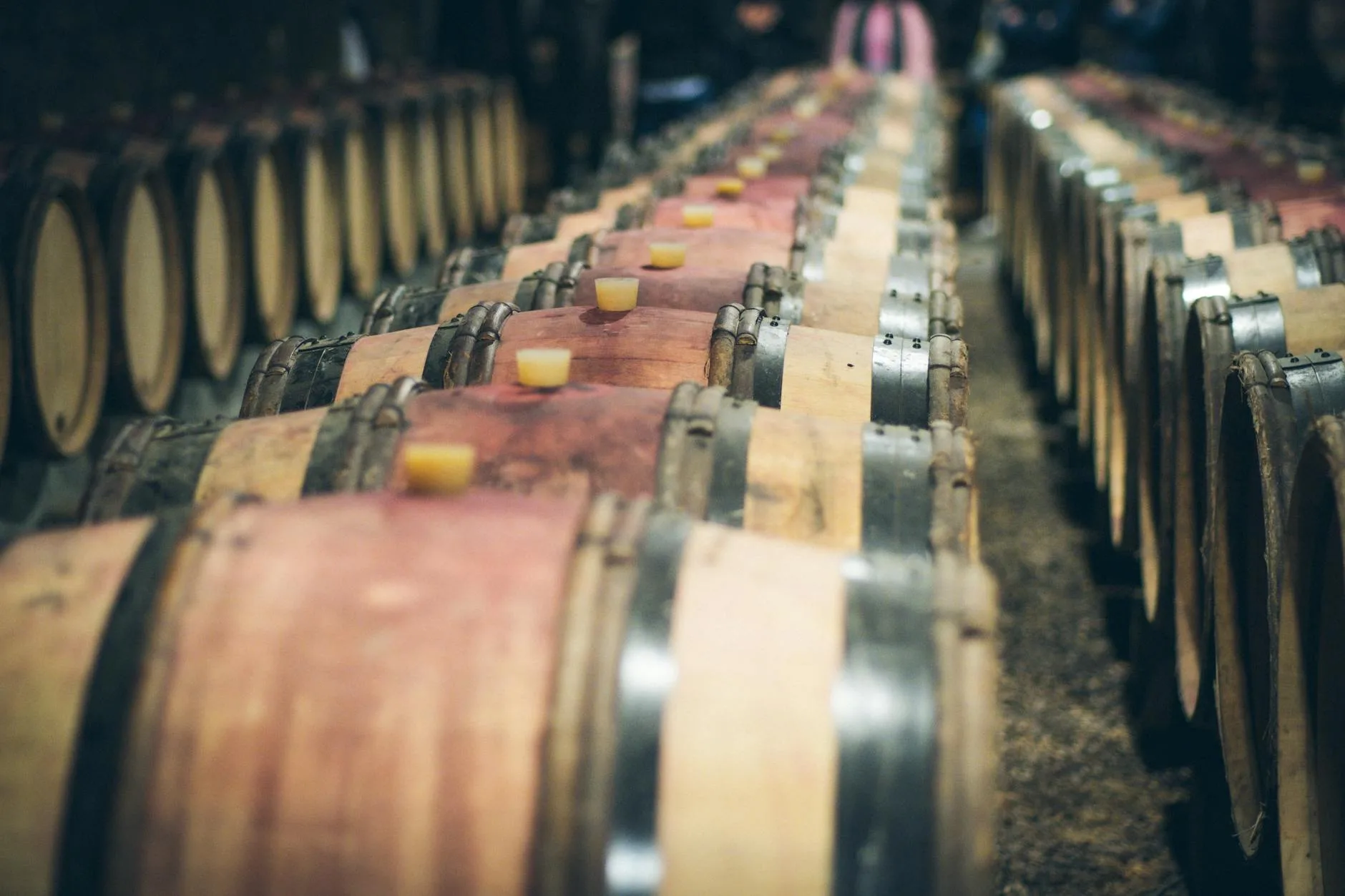
Over time, tannins soften and bind together (a process called polymerisation), harsh acids mellow, and new flavour compounds develop through slow chemical reactions. The wine that tastes sharp and tannic at three months can taste smooth and complex at twelve. But this only works if the wine has enough tannin and acid to begin with — a thin, low-acid wine won’t improve with age; it’ll just get stale.
Blending Fruit Wines for Better Balance
Single-fruit wines often have gaps in their flavour profile. Blackberry has body and tannin but can lack aromatic complexity. Elderflower has gorgeous aroma but no body. Blending fills these gaps.
Practical Blending Tips
- Blend finished wines, not musts — it’s easier to assess flavour when the wine is clear and stable
- Use small test batches first — measure precisely with a syringe so you can scale up the ratio that works
- Start with a 70/30 split — dominant fruit at 70%, supporting fruit at 30%
- Let the blend settle for at least two weeks before judging it — newly blended wines taste disjointed initially
Classic UK Blends
- Blackberry and elderberry — the blackberry softens the elderberry’s intensity while gaining body. A crowd-pleaser
- Plum and damson — the plum adds sweetness and honey notes to the damson’s astringent character
- Elderflower and gooseberry — the gooseberry provides acid and body, the elderflower contributes aroma. Tastes like expensive Sauvignon Blanc
- Apple and blackberry — a classic crumble combination that works as well in wine as it does in pudding
Common Flavour Faults and How to Avoid Them
Vinegar Taste (Acetic Acid)
The most common fault in country winemaking. Caused by acetobacter bacteria converting alcohol to acetic acid in the presence of oxygen. Prevention: keep airlocks topped up, minimise headspace in demijohns, and use Campden tablets at racking. If the wine already tastes of vinegar, it’s too late — use it in cooking or make fruit vinegar instead.
Rotten Egg Smell (Hydrogen Sulphide)
A sulphurous, eggy smell usually caused by stressed yeast — typically from lack of nutrients or fermentation too warm. Prevention: add a teaspoon of yeast nutrient per gallon, keep fermentation temperature stable. If caught early, vigorous racking and copper contact (swirl a clean copper coin in the wine for 30 seconds) can remove mild H2S.
Cardboard or Paper Taste (Oxidation)
A flat, stale flavour indicating oxygen exposure during ageing. Common when demijohns aren’t topped up after racking, leaving headspace where air contacts the wine surface. Prevention: always top up demijohns to within an inch of the airlock bung after racking.
Medicinal or Band-Aid Taste (Brettanomyces)
A persistent medicinal, plasticky flavour caused by wild yeast contamination. Most common when equipment isn’t sanitised properly between batches. Prevention: sanitise everything with sodium metabisulphite solution. Once Brett is established in a wine, it’s extremely difficult to remove.
Soapy or Perfumed Flavour
Usually from over-extraction in flower wines. Too many petals, or including green parts of the flower, produces compounds that taste soapy and cloying. Prevention: use fewer flowers than you think you need, and be meticulous about removing stems and sepals.
Frequently Asked Questions
Which fruit makes the best wine for beginners? Blackberry is the most forgiving. Wild blackberries are free, the wine tolerates minor mistakes in acid and sugar balance, and the strong fruit character covers a multitude of beginner errors. Elderflower is also a good choice if you prefer white wine — it’s simple to make and produces impressive results quickly.
How long should I age fruit wine before drinking? It depends entirely on the fruit. Light wines like elderflower, raspberry, and pear are best within six months. Medium-bodied wines like blackberry and plum peak at 12-18 months. Heavy wines like elderberry and damson need at least a year and can improve for up to five years. Taste at intervals and you’ll learn when each wine hits its sweet spot.
Why does my fruit wine taste thin and watery? Most likely a lack of tannin and body. Fruit wines naturally lack the compounds that give grape wine its weight. Add grape tannin powder (half a teaspoon per gallon), use grape concentrate for body (250ml per gallon), and consider a longer maceration time with the fruit pulp to extract more flavour and colour.
Can I mix different fruits in the same batch? You can, but blending finished wines gives better results than co-fermenting. When you blend finished wines, you can control the ratio precisely and adjust until the balance is right. Co-fermenting is less predictable because the fruits extract at different rates and one flavour often dominates in ways you didn’t intend.
Is shop-bought frozen fruit OK for winemaking? Frozen fruit works fine for most varieties, though fresh is always preferable for delicate fruits like strawberry and raspberry. Frozen fruit releases more pectin during thawing, so double your pectic enzyme dose. Avoid fruit with added sugar or syrup — check the ingredients list. Frozen berries from Lidl and Aldi are usually just fruit, nothing added.