Choose a spirit kit by the drink you already buy, not by a promise to distil at home. The DO YOUR GIN kit is the strongest gift starting point here: it includes botanicals, two glass bottles and recipes, while leaving you to supply duty-paid vodka. For larger batches, Sandy Leaf Farm’s Ultimate Gin kit makes more sense. The whisky and rum options below flavour spirits you purchase separately; they do not make those spirits from raw ingredients.
All five are infusion or flavouring kits, not stills. HMRC’s production guidance distinguishes working with duty-paid spirits from producing new spirits, while its producer-approval guidance says the domestic-use exemption excludes spirits. Do not use these products as a reason to distil alcohol or run an unapproved spirits business.
Our top 5 picks

Best gin gift set — DO YOUR GIN infusion kit.
Botanicals, two glass bottles and recipes; add your own vodka.

Best for repeat gin infusions — Sandy Leaf Farm Ultimate Gin Making Kit.
Botanicals and filtering tools for multiple batches; no spirit included.

Best whisky-flavouring gift — DO YOUR WHISKY infusion kit.
Wood chips, botanicals and bottles for flavouring bought whisky.

Best simple rum kit — Sandy Leaf Farm Spiced Rum Making Kit.
Two spice blends for two batches; add unspiced dark rum.

Best rum experiment set — DO YOUR RUM infusion kit.
Wood-chip and botanical choices with two bottles; add your own rum.
In this guide
- Comparison at a glance
- What these kits can legally do
- Spirit infusion kits reviewed
- How to choose a kit
- Plan the full cost and process
- How we chose
- The bottom line
- Frequently asked questions
Comparison at a glance
| Exact kit | Best use | What to add | Notable contents | Main limitation |
|---|---|---|---|---|
| DO YOUR GIN | Gin gift set | Bought vodka | Botanicals; two bottles | Only small-bottle batches |
| Sandy Leaf Farm Ultimate Gin | Multiple gin-style batches | Bought vodka per batch | Botanicals; funnel and strainer | No full-size bottles |
| DO YOUR WHISKY | Flavour bought whisky | Bought whisky | Wood chips; botanicals; two bottles | Cannot make whisky from scratch |
| Sandy Leaf Farm Spiced Rum | Simple two-flavour rum | Unspiced dark rum | Two spice blends; filter | Less room to create blends |
| DO YOUR RUM | Experiment with rum flavour | Bought rum | Wood chips; botanicals; two bottles | More involved than a sachet kit |
The kits do not include alcohol. Their names often say “make gin”, “make whisky” or “make rum”, but the practical task is adding flavours to a purchased spirit. Compare the complete spend — kit, spirit and any missing containers — rather than the kit price alone. Check current ingredients, allergen information and seller details before ordering.
What these kits can legally do
Infusing a purchased spirit is not distilling
These products supply botanicals, spices or wood chips for use with a bottle of duty-paid vodka, whisky or rum. None supplies a still or a method of fermenting and distilling a new spirit. HMRC’s technical guide says compounding or rectifying with duty-paid alcoholic products is generally not classified as production for its producer-approval regime. That is a narrower statement than “all home spirit making is legal”: classification depends on what you actually do, especially if alcohol is made from raw ingredients, duty-suspended stock is used or a product is sold. If the planned process goes beyond a private flavour infusion, check with HMRC first.
Gin-style, whisky-style and rum infusions are not the same as distilling
The DO YOUR GIN and Sandy Leaf kits flavour vodka with juniper and other botanicals; they do not distil a London Dry gin. The DO YOUR WHISKY kit adds wood and botanical notes to an existing drink; oak chips cannot turn vodka into Scotch whisky. The rum kits season rum that is already made. Labels for a commercial product must follow the applicable spirit-drink definitions; avoid promising that a quick infusion has the identity or ageing of a traditionally produced spirit. For a genuinely ferment-and-bottle hobby, our wine kit comparison covers a different process.
Spirit infusion kits reviewed
1. DO YOUR GIN infusion kit: best gin gift set
This is the easiest kit to wrap as a gin-flavoured gift. Its confirmed contents include a selection of botanicals, two empty glass bottles, labels and recipes. The recipient supplies vodka. The two small bottles make it approachable to compare flavours without committing a full 700ml bottle to a first recipe. The brand’s kit guidance specifies 350ml of vodka per bottle.
Its name can oversell what is happening: this is flavour infusion, not distillation, and the result depends on the base spirit and how long the botanicals steep. The bottles and presentation justify choosing it over a spices-only pack for a gift; choose Sandy Leaf Farm if your priority is more batches, not packaging.
2. Sandy Leaf Farm Ultimate Gin Making Kit: best for repeat gin infusions
Sandy Leaf Farm’s Ultimate kit is for someone who expects to repeat the process. Its listed botanicals, funnel, strainer and tasting pipettes support several recipes, with vodka bought separately for each batch. The maker describes a classic, citrus and pink flavour route, which gives more variation than a one-recipe gift set.
“Up to ten bottles” is an ingredient-capacity claim, not ten bottles of alcohol in the box. The maker’s help guide says to buy a 700ml vodka bottle per batch and to supply or reuse the final bottles. Factor that in before comparing it with the smaller DO YOUR GIN set.
3. DO YOUR WHISKY infusion kit: best whisky-flavouring gift
The DO YOUR WHISKY box has three types of wood chips, botanicals, two empty bottles and whisky stones according to the exact product details. It offers a more hands-on way to explore oak, spice and other flavours in bought whisky than simply adding a mixer. The bottles make it giftable, while the different additions allow two small experiments rather than one fixed flavour.
There is no whisky or distilling equipment in the box: this kit flavours whisky bought separately and cannot make Scotch from vodka. Start with a whisky you are comfortable altering, follow the supplied instructions and sample cautiously rather than assuming longer wood contact always tastes better.
4. Sandy Leaf Farm Spiced Rum Making Kit: best simple rum kit
The simpler rum choice: two measured spice blends, Captain’s and Jamaican Ginger, with filtering and tasting accessories. Sandy Leaf Farm’s instructions call for a 700ml bottle of unspiced dark rum per batch. That makes the buying decision easy: you know the base drink and two intended flavour directions before opening the box.
It has less flexibility than separate wood chips and multiple botanicals. It does not include rum or ready-to-serve bottles of spiced rum. Choose this for a first try or a modest gift where a clear two-batch plan matters more than designing a recipe from scratch.
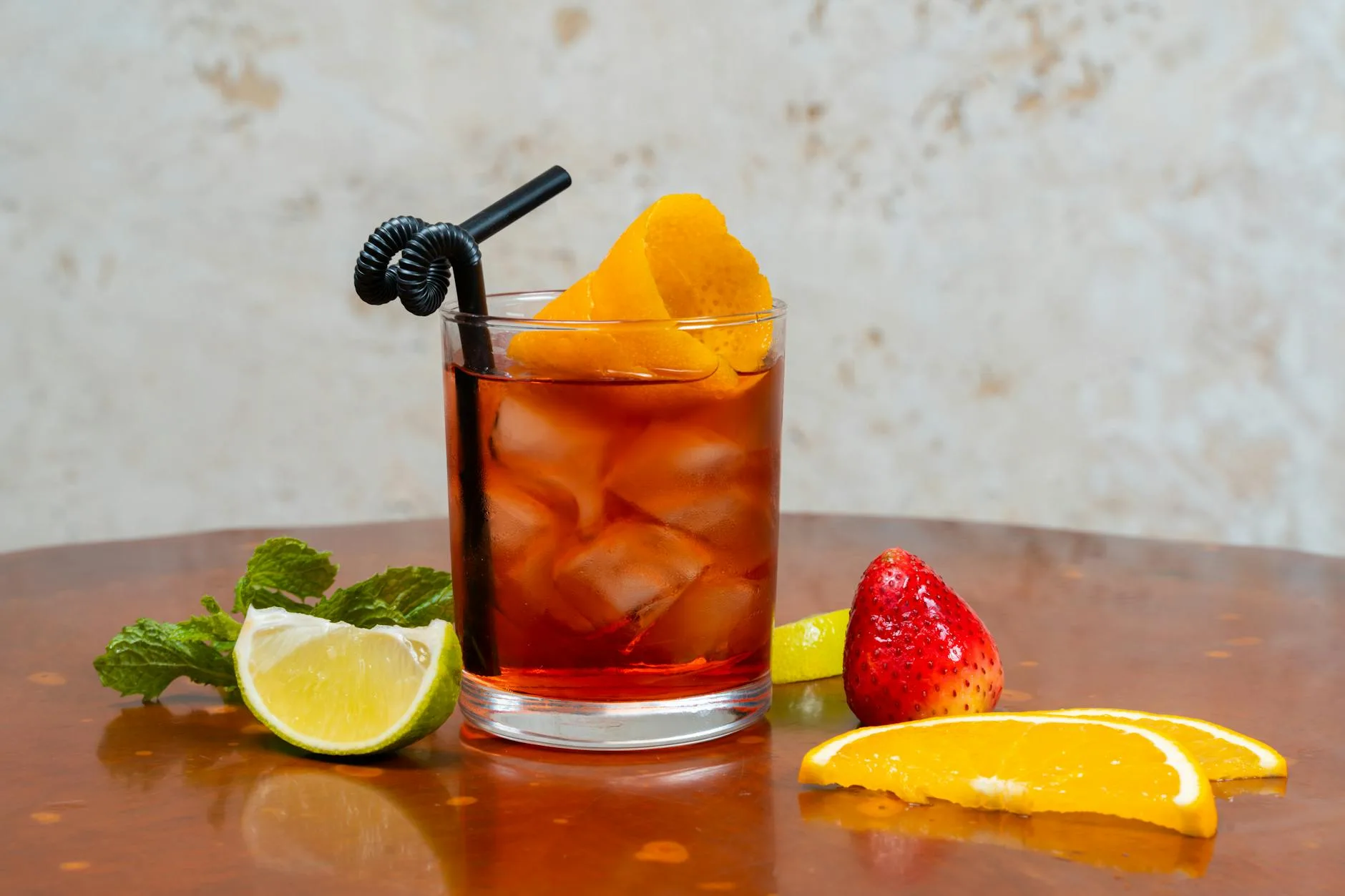
5. DO YOUR RUM infusion kit: best rum experiment set
DO YOUR RUM is the more experimental rum set. The product details list several oak-chip and botanical choices, two empty bottles, a sieve and recipes. It suits someone who wants to compare cinnamon, fruit and wood notes using a rum they already enjoy, rather than follow one pre-mixed spice sachet.
The kit does not contain rum. More choices also create more room to overdo extraction; follow the maker’s quantities and taste in small stages. For a recipient who wants the simplest process, the Sandy Leaf Farm two-blend kit is the better fit. Neither kit distils rum or makes a new base spirit.
How to choose a kit
Match the recipient and the base spirit
- Gin-style infusion: choose the boxed DO YOUR GIN set for a small gift project, or Sandy Leaf Farm’s larger ingredient set for repeat batches. Both need separately purchased vodka.
- Whisky flavouring: buy DO YOUR WHISKY for someone who already enjoys whisky and wants to try additions. It is not a substitute for distilling or maturation.
- Spiced rum: choose Sandy Leaf Farm’s two-blend kit for a fixed recipe; choose DO YOUR RUM for separate wood and botanical options. Both need rum.
A kit with attractive bottles is not automatically the best value for a repeat maker. Equally, a spices-only box can feel incomplete as a gift if the recipient has no clean vessels or filters. Check the actual box contents before treating a “make your own” name as a complete set. Our home-brewer gift guide covers other hands-on presents.
Check ingredient and equipment fit
Look for the quantity of botanicals, whether blends are measured or separate, a sensible filter or sieve, and clear instructions. People with ingredient allergies need to read the specific packet, not assume that all spice kits are equivalent. Reusable food-safe glass makes cleaning and seeing the infusion easier. Our cleaning and sanitising guide explains the basics of keeping hobby equipment clean; use the kit maker’s food-safety instructions for the spirit infusion itself.
Plan the full cost and process
Before buying, add the cost of the kit to the number of bottles of duty-paid spirit needed. Sandy Leaf Farm’s gin kit is intended for many batches, so its box price is not the cost of ten finished drinks. DO YOUR GIN and both DO YOUR kits include small bottles, but you still buy the base alcohol. If reusing a spirit bottle, clean it thoroughly and check that its closure seals. Our bottling equipment guide covers funnels and other transferable tools.
Follow the supplied recipe rather than applying one universal steeping time: botanicals, spices and wood extract differently. Taste a small amount during the recommended period, filter when the flavour suits you, label the bottle with its base spirit and ingredients, and store it as directed. Do not heat or distil the infusion. Keep alcohol away from children and drink responsibly. If you also brew beer or wine, our guide to fruit and spice additions explains why flavour intensity can change quickly.
How we chose
We compared the five specific kits by their confirmed contents, required base spirit, number and style of possible batches, included vessels and filtering tools, UK availability and customer feedback. The recommendations draw on the makers’ stated contents and instructions and available customer feedback, not a tasting panel or hands-on test. We have not measured the flavour of a finished drink. The most important distinction is what the kit supplies versus what you still need to buy.
The bottom line
For a gin-loving gift recipient, start with DO YOUR GIN: the bottles and recipes make the first infusion easy to understand. Buy Sandy Leaf Farm Ultimate Gin when repeat batches matter more than presentation. DO YOUR WHISKY is a flavouring experiment for someone with bought whisky, not a whisky-production shortcut. For rum, Sandy Leaf Farm gives the clearest first two batches; DO YOUR RUM earns its place when the recipient wants to build their own combinations. None of these five includes alcohol or licenses home distillation.
Frequently asked questions
Can I legally distil spirits at home in the UK? Do not assume so. HMRC says the domestic-use exemption from alcoholic products producer approval excludes spirits. Distilling or producing spirits without the appropriate approval can be an offence; check HMRC guidance before attempting it.
Do these kits contain alcohol? No. The five kits in this guide supply ingredients and, in some cases, bottles and tools. Buy the required duty-paid vodka, whisky or rum separately.
Does a gin kit turn vodka into London Dry gin? It infuses purchased vodka with botanicals. That is not the same process as distilling London Dry gin, and commercial naming rules are separate.
Can a whisky kit make whisky from vodka? No. Wood chips and botanicals add flavour, but they do not replace distillation and whisky maturation. Use a purchased whisky if you want to experiment with its flavour.
Which rum kit is simplest for a beginner? The Sandy Leaf Farm Spiced Rum kit has two pre-planned blends and instructions for use with bought unspiced dark rum. DO YOUR RUM offers more separate ingredients and more decisions.
What should I check before giving a spirit kit as a gift? Check the box contents, ingredients and allergen information, whether bottles are included, the amount of base spirit required and whether the recipient wants a fixed recipe or an experiment.