You’ve followed the recipe, hit your target gravity, and your wort is sitting at the perfect temperature. Now you’re staring at three packets of yeast at your local homebrew shop — Safale US-05, Safale S-04, and Mangrove Jack’s M44 — and the guy behind the counter just said “it depends what you’re going for.” Helpful. The truth is, yeast does more to shape your beer’s character than any other single ingredient. Different strains produce different flavours, different levels of attenuation, and vastly different drinking experiences from the same wort.
In This Article
- Why Yeast Choice Matters So Much
- Ale Yeast vs Lager Yeast: The Fundamental Split
- Matching Yeast to Beer Style
- Popular Dry Yeast Strains Explained
- Liquid Yeast: When It’s Worth the Extra Cost
- Fermentation Temperature and Flavour
- Yeast Health and Pitching Rates
- Reusing Yeast Between Batches
- Frequently Asked Questions
Why Yeast Choice Matters So Much
Yeast doesn’t just convert sugar into alcohol and CO2. During fermentation, yeast produces hundreds of flavour compounds — esters (fruity notes), phenols (spicy, clove-like), fusel alcohols (warming, boozy), and more. The specific balance of these compounds is what makes a Belgian wit taste different from an English bitter, even if the grain bill and hops are similar.
The Beer Judge Certification Program (BJCP) style guidelines reference yeast character in nearly every style description — it’s that fundamental. Think of it this way: your malt provides the body, your hops provide the bitterness and aroma, but your yeast provides the character. A clean American ale yeast will step aside and let the hops and malt shine. A Belgian strain will throw banana, bubblegum, and peppercorn all over the place. Neither is better — they’re different tools for different jobs.
Ale Yeast vs Lager Yeast: The Fundamental Split
Ale Yeast (Saccharomyces cerevisiae)
Ferments at 15-24°C (warm). Works quickly — most ales are fermented in 5-7 days. Produces more esters and phenols, giving ales their fruity, complex character. Floats to the top during active fermentation (hence “top-fermenting”).
This is what most homebrewers use because room temperature in a UK home (18-22°C) is perfect for ale yeast. No temperature control equipment needed beyond choosing a sensible spot in the house.
Lager Yeast (Saccharomyces pastorianus)
Ferments at 8-14°C (cold). Takes longer — 2-4 weeks primary fermentation, plus weeks of cold conditioning (lagering). Produces fewer esters and phenols, resulting in the clean, crisp character that defines lagers, pilsners, and bocks. Sinks to the bottom during fermentation (“bottom-fermenting”).
Lager brewing at home requires a temperature-controlled fridge or chest freezer with an external thermostat. If you have a temperature controller, lager brewing opens up. Without one, stick to ales — fermenting lager yeast at room temperature produces appalling flavours.
Hybrid Strains
Some strains blur the line. Kölsch yeast ferments at ale temperatures but produces lager-clean results. California Common (steam beer) yeast is technically a lager strain that tolerates warmer temperatures. These are useful for brewers who want lager-like beers without the cold fermentation setup.
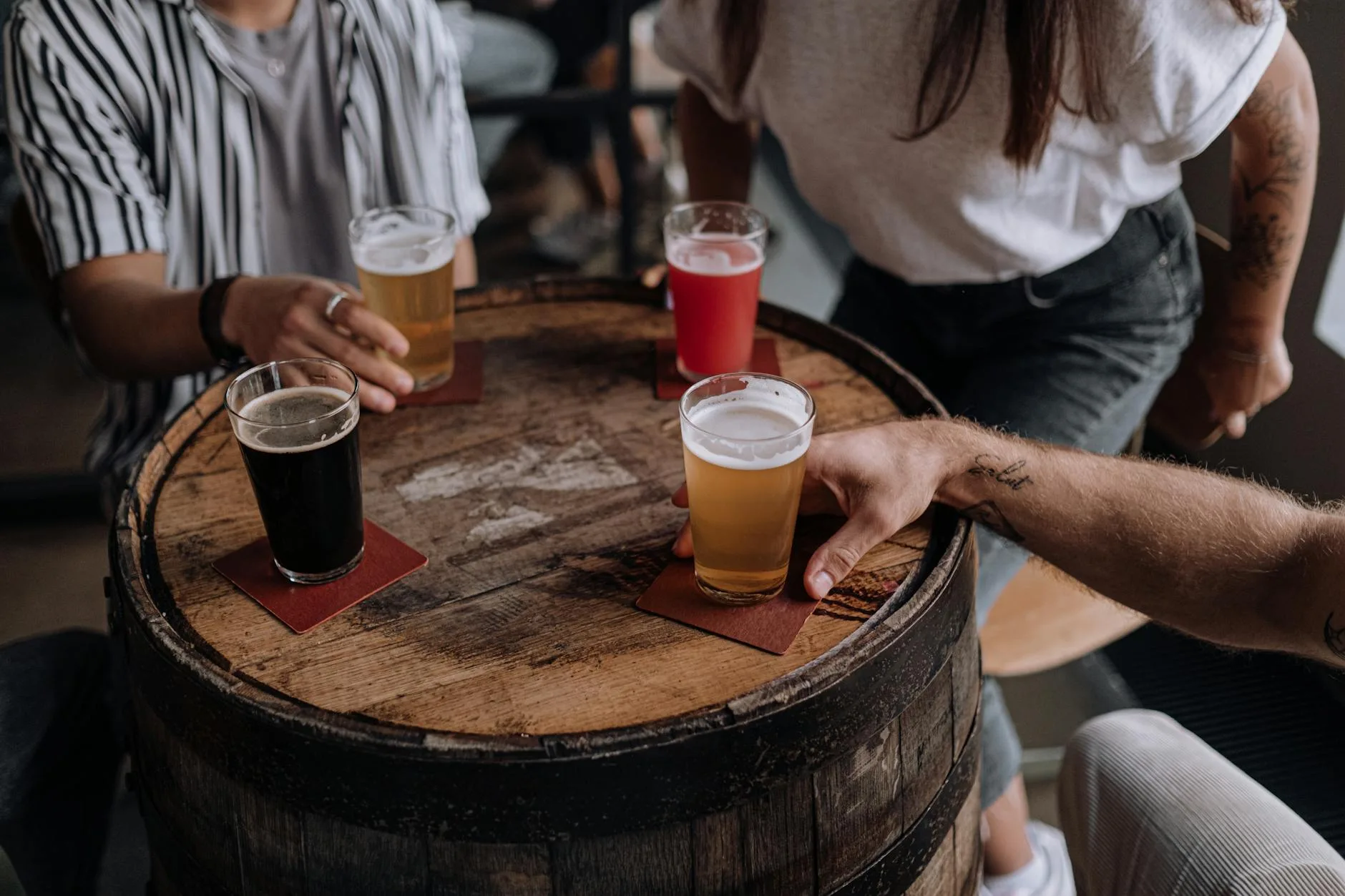
Matching Yeast to Beer Style
This is the practical bit — which yeast for which beer:
English Ales (Bitter, ESB, Mild, Brown Ale)
Look for English ale strains that produce moderate esters (stone fruit, light apple) and leave a touch of residual sweetness. These strains don’t fully dry out the beer — they leave body and mouthfeel that suit malt-forward English styles.
- Safale S-04 — the workhorse English ale yeast. Fast fermenter, drops clear quickly, moderate ester production. I’ve brewed more bitters with S-04 than any other yeast, and it never disappoints. About £2-3 per sachet
- Mangrove Jack’s M07 (British Ale) — slightly fruitier than S-04, with more stone fruit character. Good for ESBs and brown ales
- Danstar Nottingham — extremely clean for an English strain. High attenuation (dries out more). Better for lighter bitters where you want crispness
For our English bitter recipe, S-04 is the default recommendation.
American Ales (Pale Ale, IPA, Amber)
You want the yeast to get out of the way and let the hops do the talking. Clean fermentation, high attenuation, neutral flavour.
- Safale US-05 — the most popular homebrew yeast in the world, and for good reason. Extremely clean, reliable, and attenuative. Ferments well at 15-20°C. The “can’t go wrong” choice for any American-style ale
- Mangrove Jack’s M44 (US West Coast) — very clean, slightly more attenuative than US-05, emphasises hop character. Excellent for IPAs
- Lallemand BRY-97 — another clean American strain with good flocculation (drops clear without fining)
If you’ve followed our easy pale ale recipe, you’ve already used US-05.
Belgian Ales (Witbier, Saison, Tripel, Dubbel)
Belgian strains are the drama queens of the yeast world — and that’s the point. You want esters (banana, bubblegum, pear drops), phenols (clove, pepper, spice), and complexity.
- Safale BE-256 (Abbaye) — produces classic Belgian character: fruity esters with mild phenols. Good for dubbels and tripels. Ferment at 18-24°C; higher temperatures increase ester production
- Mangrove Jack’s M21 (Belgian Wit) — designed for witbiers. Produces citrus and spice notes that complement orange peel and coriander
- Lallemand Belle Saison — monster attenuator. Dries the beer out completely, producing the bone-dry, peppery character that defines saisons. Ferment warm (25-30°C) for maximum character
Wheat Beers (Hefeweizen, Weissbier)
Hefeweizen yeast is responsible for the banana and clove flavours that define the style. Without the right yeast, a wheat beer is just a bland pale ale with wheat in it.
- Safale WB-06 — classic Bavarian wheat beer yeast. Produces banana esters and clove phenols. Fermentation temperature controls the balance: lower temps (16-18°C) favour clove, higher temps (20-24°C) favour banana
- Mangrove Jack’s M20 (Bavarian Wheat) — similar profile to WB-06, slightly more banana-forward
Our hefeweizen recipe guide walks through temperature control for balancing banana and clove.
Stouts and Porters
English ale strains work well for most stouts. The roasted malt character is dominant, so the yeast mainly needs to ferment cleanly and leave enough body.
- Safale S-04 — again. It’s the universal English ale yeast for a reason. Leaves residual sweetness that balances roasted bitterness
- Danstar Nottingham — if you want a drier stout (Irish-style), Nottingham’s higher attenuation works beautifully
- WLP004 (Irish Ale) — a liquid yeast from White Labs, specifically bred for dry Irish stouts. Low ester, clean, very high flocculation
Lagers and Pilsners
Clean fermentation at cold temperatures. The yeast should be invisible — only malt and hops remain.
- Saflager W-34/70 — the most popular lager yeast in the world, used by many commercial breweries. Produces extremely clean lagers at 10-12°C. Will tolerate up to 15°C without major off-flavours, making it the best choice for homebrewers with basic temperature control
- Saflager S-23 — a German lager strain with slightly more ester production. Good for Munich-style lagers where a tiny hint of fruitiness is acceptable
Popular Dry Yeast Strains Explained
Dry yeast has improved enormously in the last decade. The top strains now rival liquid yeast in quality and offer massive convenience advantages: long shelf life (2+ years), no starter needed, tolerant of temperature variation, and about £2-3 per packet versus £8-10 for liquid.
Our popular yeasts comparison (Safale vs Nottingham vs US-05) covers the three most widely used strains in detail, but here’s the quick summary:
- US-05 — clean American ale. The default if you’re not sure
- S-04 — English ale with character. Fruity, flocculent, fast
- Nottingham — clean, versatile, high-attenuating. Works for English or American styles
- W-34/70 — clean lager. The only dry lager yeast most homebrewers need
- BE-256 — Belgian character without the unpredictability of some liquid Belgian strains
- WB-06 — Bavarian wheat. Banana and clove
Liquid Yeast: When It’s Worth the Extra Cost
Liquid yeast (from White Labs, Wyeast, and others) costs roughly four times as much as dry yeast and has a shorter shelf life. So when is it worth it?
Specific Regional Styles
Some beer styles have yeast strains so distinctive that no dry equivalent exists. Trappist-style ales, authentic Kölsch, specific British cask ale strains, and many wild/sour yeasts are only available in liquid form. If you’re brewing a style where the yeast IS the style — a Trappist dubbel, for example — liquid yeast is the right choice.
Advanced Brewing
Once you’re beyond your first ten batches and confident with the process, liquid yeast offers more variety and often slightly more complexity than dry equivalents. Building a yeast starter (propagating the yeast before pitching) becomes part of the hobby rather than a chore.
When to Stick with Dry
For 90% of home brewing — pale ales, IPAs, bitters, stouts, porters, wheat beers, and most lagers — dry yeast is brilliant. The quality gap has closed to the point where most blind tasters can’t distinguish dry from liquid in a well-made beer. Convenience, shelf life, and cost all favour dry yeast for everyday brewing. You can buy most dry strains from UK homebrew ingredient suppliers.
Fermentation Temperature and Flavour
Temperature is the biggest variable you can control during fermentation, and it changes the flavour profile more than switching yeast strains in many cases.
General Rules
- Lower temperatures (within the yeast’s range) = cleaner, less ester production, slower fermentation. More lager-like character even from ale yeast
- Higher temperatures = more esters, more phenols, faster fermentation. More fruity, complex, sometimes harsh if pushed too far
- Consistent temperature = better than a “correct” average that swings up and down. A steady 19°C produces better beer than a range of 16-22°C that averages 19°C
Finding the Sweet Spot
For most ale yeasts, fermenting at the lower end of the recommended range for the first 48-72 hours (when most flavour compounds are produced), then letting it rise 2-3°C for the remainder (to ensure complete attenuation) gives the cleanest results with full fermentation.
If you want to understand what’s happening during fermentation at a deeper level, our gravity readings guide shows how to track progress.
Yeast Health and Pitching Rates
Pitching Rate
“Pitching rate” means how much yeast you add to the wort. Too little yeast (underpitching) stresses the cells, producing off-flavours — harsh fusel alcohols, excessive esters, and acetaldehyde (green apple). Too much (overpitching) is less of a problem but can produce an overly clean, bland beer.
For a standard 5-gallon (23-litre) batch of ale at around 1.050 OG, one packet of dry yeast (11.5g) is sufficient. For higher-gravity beers (1.060+), use two packets or make a starter with liquid yeast.
Rehydration vs Direct Pitch
According to Fermentis, the largest dry yeast manufacturer, direct pitching is now the recommended method — sprinkle the yeast straight onto the wort without rehydrating in water first. This is a change from older guidance. The reasoning: modern dry yeast is designed to rehydrate during the pitching process, and separate rehydration at incorrect temperatures can actually kill cells.
Reusing Yeast Between Batches
Once you’ve brewed a batch, the yeast cake at the bottom of your fermenter is a living colony ready for another brew. Harvesting and reusing yeast saves money and can actually improve your beer — yeast that’s been through a fermentation cycle is adapted to your conditions and often ferments more cleanly the second time.
How to Harvest
- After racking your beer off the yeast cake, swirl the remaining yeast with a small amount of beer to create a slurry
- Pour into a sanitised jar, seal, and refrigerate immediately
- Use within 2-3 weeks for best results
- Pitch directly into your next batch — roughly a tablespoon of thick slurry per 23 litres
Limitations
Yeast degrades over generations. By the fourth or fifth reuse, mutations accumulate and performance drops — slower fermentation, off-flavours, poor flocculation. Start fresh every 3-4 batches to maintain quality. Keep good notes in your brew log to track yeast performance across reuses.
Frequently Asked Questions
What yeast should a beginner use? Safale US-05 for anything American-style (pale ales, IPAs, ambers) or Safale S-04 for anything English-style (bitters, milds, porters). Both are extremely forgiving, ferment well at room temperature, and produce reliably good beer. Start with these before experimenting with Belgian or specialist strains.
Does yeast expire? Dry yeast has a shelf life of about 2-3 years if stored cool and dry. Liquid yeast is much shorter — roughly 3-6 months from production. Expired yeast can still work but may ferment slowly or incompletely. Always check the production date and store yeast in the fridge for maximum viability.
Can I use bread yeast for brewing beer? Technically yes, but the result will taste bad. Bread yeast is selected for fast CO2 production (to rise dough), not for flavour. It produces harsh, cidery off-flavours in beer. Brewing yeast costs £2-3 per packet — there’s no reason to use bread yeast.
What temperature should I ferment at? For most ale yeasts: 18-20°C. For lager yeasts: 10-12°C. Check the specific strain’s recommended range on the packet. Fermenting at the lower end of the range produces cleaner beer with fewer off-flavours.
Do I need to make a yeast starter? Not for dry yeast in standard-gravity beers (below 1.060 OG). One packet is enough for a 23-litre batch. For liquid yeast or high-gravity brews, a starter ensures you’re pitching enough healthy cells for a clean fermentation.