You’ve just walked into a craft beer taproom with 20 taps and a chalkboard menu that reads like a foreign language. Saison, ESB, Schwarzbier, Doppelbock — and all you wanted was a decent pint. If you’ve ever pointed at a random tap handle and hoped for the best, you’re not alone. This beer styles explained guide breaks down what actually makes each style different, so next time you’re staring at a beer list, you’ll know exactly what you’re ordering. For deeper dives into specific styles, the CAMRA beer styles directory is an excellent companion resource.
The good news? Beer isn’t nearly as complicated as the craft beer world makes it sound. Every single beer on the planet falls into one of two families — ales or lagers — and everything else is just variation on those two themes. Once you understand why, the whole map clicks into place.
The Two Beer Families: Ales vs Lagers
Here’s the single most important thing to understand about beer: the difference between an ale and a lager comes down to yeast. That’s it. Not colour, not strength, not flavour — yeast.
Ale yeast (Saccharomyces cerevisiae) ferments at warmer temperatures, typically 15-24°C, and works near the top of the fermenting vessel. It’s faster, more expressive, and tends to produce fruity, complex flavours called esters. Most ales are ready in 2-3 weeks.
Lager yeast (Saccharomyces pastorianus) prefers cooler conditions, around 7-13°C, and works lower in the vessel. It’s slower and cleaner, stripping away those fruity notes to leave a crisper, more subtle beer. Lagers then undergo a cold conditioning phase (the word “lager” literally means “to store” in German) that can last weeks or months.
This is why most homebrewers start with ales — they’re more forgiving, ferment faster, and don’t need precise temperature control. If you’re just getting started with home brewing, ales are your friend.
A quick myth to squash: lagers aren’t always pale and ales aren’t always dark. You can get pitch-black lagers and straw-coloured ales. Colour comes from the malt, not the yeast.
Pale Ales and IPAs
Pale ale is where most people’s craft beer journey begins, and for good reason — it’s approachable, flavourful, and endlessly varied.
English Pale Ale and Bitter
The original pale ale was brewed in Burton-on-Trent, where the hard, mineral-rich water produced a particularly clean, bitter beer. English pale ales — and their pub-strength cousins, bitters — are malt-forward with earthy, herbal hop character. Think Marston’s Pedigree or Fuller’s London Pride. They’re typically 3.5-5.5% ABV, sessionable, and designed to be drunk by the pint.
English bitters get unfairly overlooked in the craft beer era, but a well-kept cask bitter is one of the finest things in British brewing. Three rough tiers exist:
- Ordinary bitter — 3.2-3.8% ABV, light and drinkable, your everyday session pint
- Best bitter — 3.8-4.6% ABV, more body and hop character, the sweet spot for most drinkers
- Strong bitter / ESB — 4.6-6.2% ABV, richer malt backbone with pronounced bitterness
The water chemistry matters enormously here. If you’re brewing English-style ales at home, understanding water chemistry and mineral adjustments can make the difference between a flat, lifeless bitter and something that genuinely tastes like it came off a hand pull in a proper pub.
American Pale Ale
American pale ales flipped the script in the 1980s. Sierra Nevada Pale Ale — still the benchmark — swapped traditional English hops for bold American varieties like Cascade, bringing grapefruit, pine, and floral notes that nobody in the UK had tasted before. APAs run 4.5-6.2% ABV and prioritise hop flavour over malt sweetness.
India Pale Ale (IPA)
IPA has become the flagship of modern craft beer. The name’s origin — a stronger, hoppier beer brewed to survive the voyage to British India — is probably more myth than history, but the style is real enough.
Modern IPAs split into several camps:
- West Coast IPA — bitter, piney, resinous, crystal-clear. The classic American IPA that started it all
- New England IPA (NEIPA) — hazy, juicy, soft-bodied, with tropical fruit hop flavours and minimal bitterness. Love it or hate it, it dominates UK craft beer right now
- Session IPA — all the hop punch of an IPA at 3.5-4.5% ABV. Some are brilliant; others taste watery. BrewDog’s Dead Pony Club is a decent reference point
- Double / Imperial IPA — 7-10%+ ABV hop bombs. Not for the faint-hearted or the Tuesday lunchtime drinker
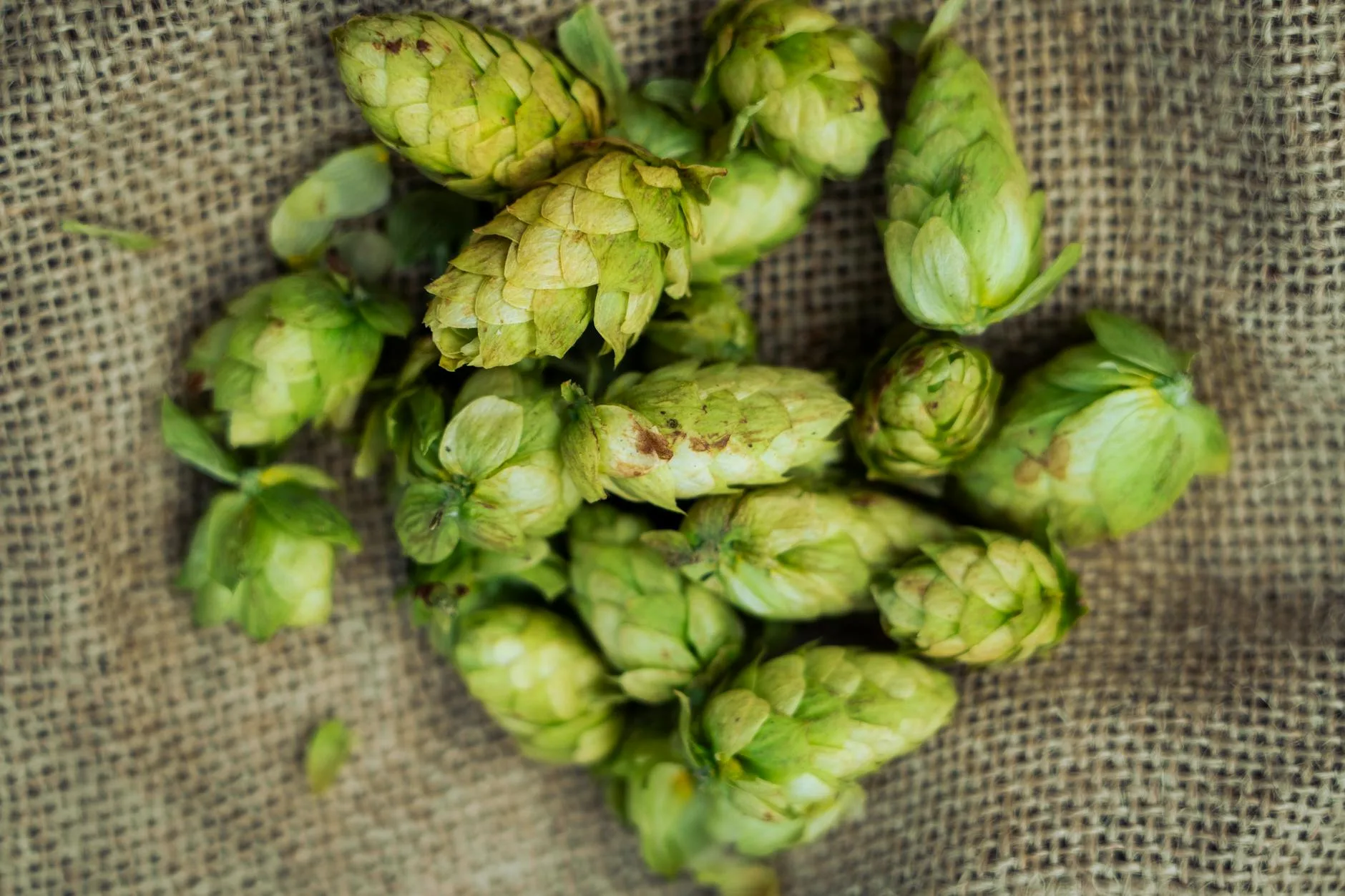
If you’re brewing hoppy styles at home, the technique of dry hopping is essential for getting those big aromatic flavours without harsh bitterness.
Wheat Beers
Wheat beers replace a portion of barley malt with wheat — usually 50% or more — giving a lighter body, hazy appearance, and distinctive creamy head.
German Weizen (Hefeweizen)
Bavaria’s gift to summer drinking. Hefeweizen is unfiltered, naturally cloudy, and tastes of banana and clove — both produced entirely by the yeast, not by adding fruit or spice. Served in those tall, curvy glasses for a reason: the shape supports the enormous fluffy head. Weihenstephaner and Schneider Weisse are the classics. Around 4.5-5.5% ABV, refreshing, and pairs beautifully with lighter food.
Belgian Witbier
Belgium’s take on wheat beer adds coriander seed and orange peel during brewing, giving a spicy, citrusy character quite different from German weizens. Hoegaarden put the style on the map, though plenty of UK craft breweries now produce excellent versions. Light, refreshing, around 4.5-5% ABV — perfect for anyone who finds IPAs too aggressive. For a related angle, see our Country Wine Recipes: Elderflower, Blackberry & More guide.
Stouts and Porters
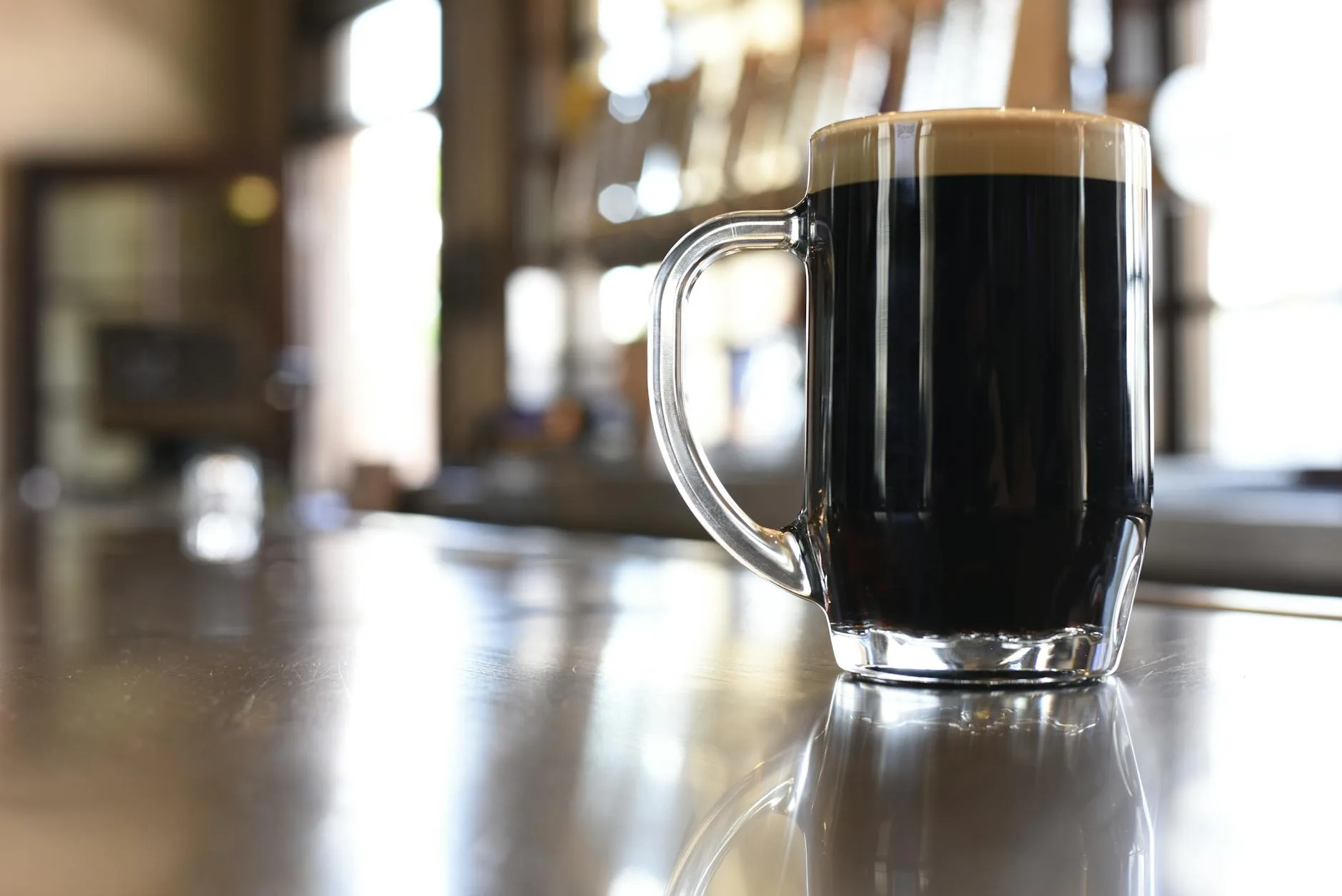
Dark beers get a bad reputation as heavy winter warmers, but some of the most drinkable, sessionable beers in the world are stouts. The darkness comes from roasted malts — the same Maillard reaction that makes toast brown and coffee dark.
Porter
Porter was London’s beer. Born in the early 1700s as a blend of different brown ales, it became the working person’s pint and the first beer style to be brewed on an industrial scale. Modern porters are typically 4-5.5% ABV with flavours of chocolate, coffee, and toasted bread. They’re medium-bodied and far more approachable than they look.
Dry Stout
Guinness is the obvious reference, but dry stout as a style is broader and more interesting than one brand suggests. Dry stouts are roasty, slightly bitter, and surprisingly light-bodied — a pint of Guinness has fewer calories than a pint of orange juice. Irish and English dry stouts typically run 3.8-5% ABV, making them genuine session beers. The roasted barley gives coffee and dark chocolate notes without any sweetness.
Milk Stout / Sweet Stout
Add lactose (milk sugar) to a stout and you get a creamier, sweeter beer — lactose doesn’t ferment, so it stays in the finished beer adding body and residual sweetness. Bristol’s Left Handed Giant makes some cracking examples. These have become wildly popular in the UK craft scene, often brewed with vanilla, coconut, or other additions.
Imperial Stout
Originally brewed in London for export to the Russian Imperial Court (hence the name), imperial stouts are rich, boozy, and complex — 8-12% ABV with intense dark chocolate, espresso, dark fruit, and sometimes liquorice flavours. Many are aged in bourbon or whisky barrels. These are sipping beers, not session beers. Treat them like you’d treat a good wine.
Lager Styles Worth Knowing
“Lager” gets treated as a single, boring category in the UK, mostly because the mass-market versions — Carling, Foster’s, generic Eurofizz — are brewed for cheapness rather than character. Proper lagers are anything but boring.
Pilsner
The world’s most imitated beer style, originating from Plzeň in the Czech Republic in 1842. Czech pilsner (Urquell being the original) is soft, bready, with a distinctive Saaz hop spiciness and a lingering bitterness. German pilsner is drier, crisper, and more assertively bitter. Both are around 4-5.2% ABV.
If you’ve only ever drunk mass-market lager, try a proper Czech pilsner. It’s a genuine revelation — like the difference between instant coffee and a freshly pulled espresso.
Munich Helles
Bavaria’s answer to pilsner. Where pilsner emphasises hops, Helles puts malt front and centre — slightly sweet, bready, extraordinarily balanced. Augustiner Helles is the gold standard. Around 4.5-5.2% ABV and possibly the most crushable beer style ever invented.
Dunkel and Schwarzbier
Dark lagers that prove colour doesn’t equal heaviness. Munich Dunkel is malty, toasty, and bready at around 4.5-5.5% ABV — think liquid bread rolls. Schwarzbier (literally “black beer”) is even lighter-bodied despite being near-black, with subtle roast and chocolate notes. Both are criminally underappreciated in the UK.
Bock and Doppelbock
Stronger German lagers, traditionally brewed by monks for sustenance during Lent (a loophole where liquid bread didn’t count as food — brilliant). Bock runs 6-7% ABV with rich, malty sweetness. Doppelbock pushes to 7-10%+ with toffee, dark fruit, and warming alcohol. Paulaner Salvator is the classic Doppelbock if you want to try one.
Belgian Beer Styles
Belgium punches absurdly above its weight in the beer world. A country smaller than Wales produces more distinct beer styles than most continents.
Saison
Originally a farmhouse ale brewed for seasonal workers in Wallonia. Saisons are dry, spicy, fruity, and highly carbonated — they fizz like champagne and taste of pepper, citrus, and hay. Saison Dupont is the benchmark. Typically 5-8% ABV but drinks lighter than the numbers suggest.
Trappist and Abbey Ales
Trappist beers are brewed within monastery walls under monastic supervision. Only 14 breweries worldwide hold the “Authentic Trappist Product” designation — six of them Belgian. These range from refreshing blonde ales (Westmalle Extra, 4.8%) to the mighty Westvleteren 12 (10.2%), regularly rated among the best beers on earth.
Abbey ales follow similar styles without the monastic credentials. They come in rough categories:
- Blonde / Single — 5-7% ABV, light and peppery
- Dubbel — 6-8% ABV, dark, malty, dried fruit flavours
- Tripel — 7-10% ABV, golden, deceptively strong, spicy and complex
- Quadrupel — 10%+ ABV, rich, intense, dark fruit and caramel. Sipping territory.
Sour and Wild Beers
The fastest-growing category in craft beer right now. Sour beers use bacteria (Lactobacillus, Pediococcus) and/or wild yeast (Brettanomyces) alongside or instead of standard brewer’s yeast.
- Berliner Weisse — tart, light, refreshing wheat beer, around 3-4% ABV. Traditionally served with fruit syrup in Germany
- Gose — similar tartness plus salt and coriander. Sounds odd, tastes brilliant on a hot day
- Lambic / Gueuze — spontaneously fermented Belgian beers aged in oak. Complex, funky, vinous. Kriek (cherry lambic) is the gateway for most people
- Kettle sours — modern shortcut where brewers sour the wort before fermentation. Quicker and more predictable than traditional methods. Purists sniff at them, but many are delicious
How to Explore Beer Styles
Knowing the categories is one thing. Actually tasting your way through them is the fun part.
Start local. UK craft breweries are producing world-class examples of nearly every style mentioned here. Breweries like Thornbridge, Burning Sky, Kernel, Cloudwater, and Verdant between them cover ales, lagers, saisons, stouts, and sours — all brewed within a few hundred miles of wherever you’re reading this.
Pick up mixed cases from Beer52, HonestBrew, or your local independent bottle shop. Most offer curated selections that deliberately span different styles. Expect to pay about £25-40 for a mixed case of 8-12 beers.
Keep notes — even rough ones. “This was nice” tells you nothing three weeks later. “Dark, coffee-ish, not too sweet, would have again” is enough to start mapping your preferences.
And if you’re brewing at home? Working through different styles is the best education you’ll get. A good starter kit and a reliable recipe book will take you from pale ales to stouts to lagers as your confidence (and temperature control) improves.
Frequently Asked Questions
What is the main difference between ale and lager? The difference is yeast. Ale yeast ferments at warmer temperatures (15-24°C) and produces fruity, complex flavours. Lager yeast ferments cooler (7-13°C) and produces cleaner, crisper beer. Colour and strength have nothing to do with it.
What is the easiest beer style to brew at home? English bitter or American pale ale. Both are ales (faster fermentation, more forgiving temperatures), use widely available ingredients, and don't require lagering. A basic pale ale can be ready to drink in 3-4 weeks.
Why are some beers dark but not heavy? Colour comes from roasted malts, not sugar or alcohol content. A dry stout like Guinness uses heavily roasted barley for colour and flavour but has a relatively thin body and low ABV (4.2%). Colour and heaviness are completely independent.
What does IPA stand for and why is it so popular? IPA stands for India Pale Ale. Its popularity comes from the intense hop flavours — citrus, tropical fruit, pine — that modern hop varieties produce. The New England IPA substyle, which is hazy and juicy with low bitterness, has particularly driven the style's dominance in UK craft beer.
How many beer styles are there? The Beer Judge Certification Program (BJCP) recognises over 100 distinct styles, but they all fall under the two main families of ales and lagers. For practical purposes, understanding around 15-20 key styles covers the vast majority of beers you'll encounter in UK pubs and bottle shops.