You’ve got a demijohn bubbling away on the kitchen counter, the airlock pops every few seconds, and the liquid inside has turned cloudy and slightly intimidating. Something is clearly happening in there — but what, exactly? Most home winemaking guides tell you to “let it ferment” as if that explains anything, then skip straight to bottling instructions.
In This Article
- What Fermentation Actually Is
- The Role of Yeast
- Primary Fermentation: The Vigorous Stage
- Secondary Fermentation: The Quiet Stage
- Temperature and Its Effect on Fermentation
- Sugar, Alcohol, and the Fermentation Equation
- Common Fermentation Problems and Fixes
- How to Know When Fermentation Is Complete
- Equipment That Affects Fermentation Quality
- Clearing and Stabilising After Fermentation
- Frequently Asked Questions
What Fermentation Actually Is
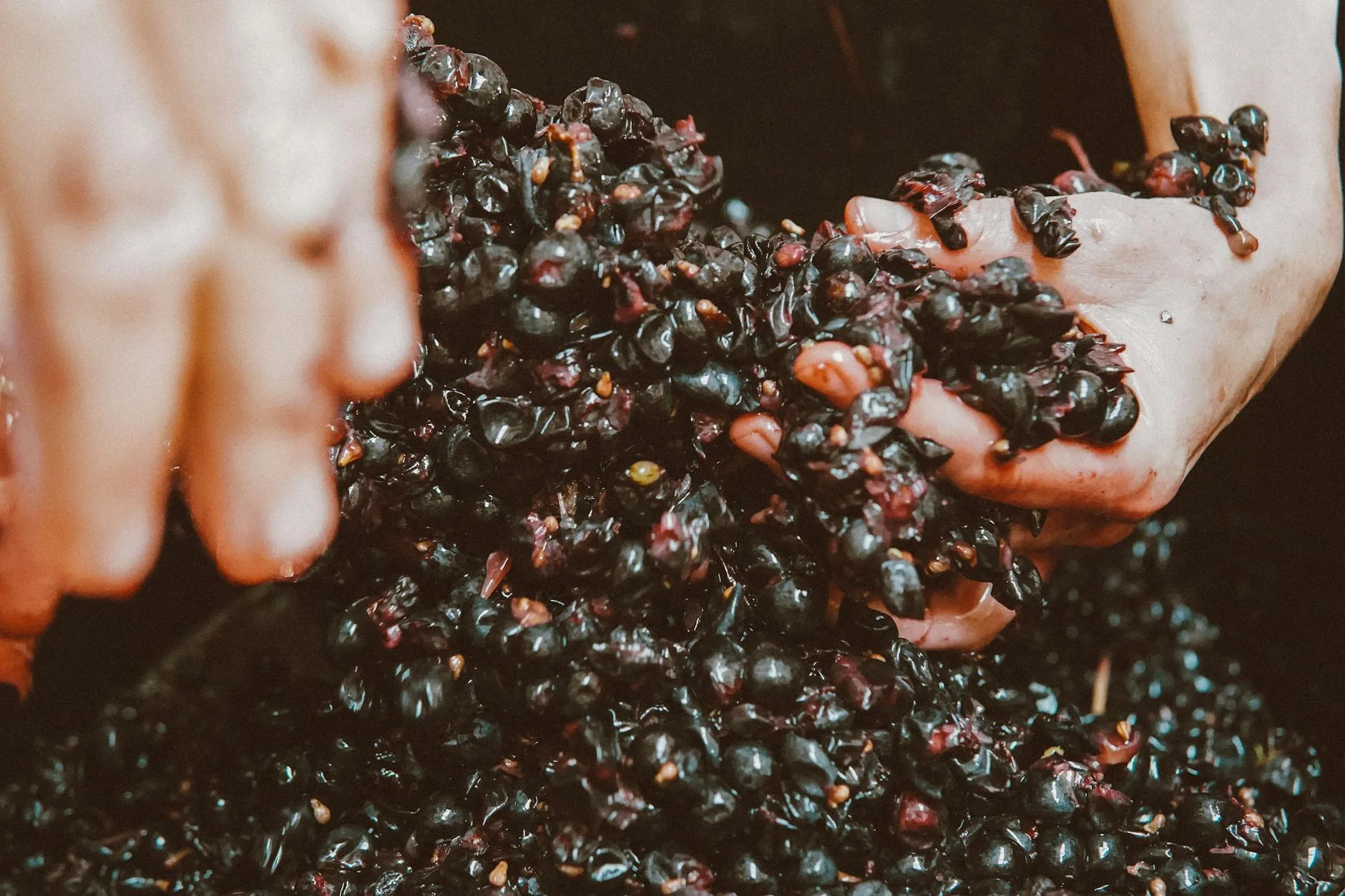
At its core, wine fermentation is yeast eating sugar and producing alcohol and carbon dioxide as waste products. That’s genuinely it. Everything else — flavour development, clarity, body, aroma — is a consequence of this simple biochemical process and how you manage it.
The Chemistry in Plain English
Yeast cells consume glucose and fructose (the sugars in grape juice or your fruit base). Through a series of enzyme-driven reactions, each sugar molecule gets broken down into roughly equal parts ethanol (alcohol) and carbon dioxide gas. The CO2 bubbles up and out through your airlock. The ethanol stays in the liquid. Along the way, the yeast also produces hundreds of minor compounds — esters, aldehydes, and organic acids — that create the complex flavours we associate with wine.
Why It Matters to Understand This
Knowing what’s happening inside your fermentation vessel makes every decision clearer. Why does temperature matter? Because yeast cells slow down when cold and die when hot. Why does the airlock stop bubbling? Because the sugar has run out or the yeast has given up. Why does the wine taste harsh at first? Because the yeast is still producing volatile compounds that need time to mellow. Once you understand the process, troubleshooting becomes logical rather than guesswork. I’ve had batches stall, go cloudy, and smell like rotten eggs — and understanding the basics helped me fix every one without panicking.
The Role of Yeast
What Yeast Is
Yeast is a single-celled fungus. The species used in winemaking — Saccharomyces cerevisiae — has been doing this job for thousands of years. Each cell is microscopic, but in a typical wine ferment you’re managing billions of them. They’re alive, they reproduce, they eat, and they produce waste. Treating them as living organisms rather than a magic powder leads to much better results.
Wine Yeast vs Bread Yeast vs Wild Yeast
Wine yeast strains are selected for alcohol tolerance, clean fermentation character, and predictable behaviour. Bread yeast works in a pinch but produces off-flavours and struggles above 8-9% ABV. Wild yeasts — present naturally on fruit skins — can produce interesting results but are unpredictable and often produce vinegar-like flavours. For your first few batches, stick with a dedicated wine yeast like Lalvin EC-1118 or Mangrove Jack’s MA33.
How to Choose the Right Yeast
Different yeast strains suit different wine styles:
- EC-1118 (Champagne yeast) — the workhorse. Tolerates up to 18% ABV, ferments cleanly at wide temperature ranges, and clears quickly. If in doubt, use this.
- Lalvin 71B — softens malic acid, making it ideal for fruit wines that might taste sharp. Great for elderflower and country wines.
- Red Star Premier Rouge — enhances berry flavours. Good for blackberry, elderberry, and grape wines.
- Mangrove Jack’s MA33 — easy to find in UK homebrew shops, reliable all-rounder for white and rosé styles.
Primary Fermentation: The Vigorous Stage
What Happens
Primary fermentation is the dramatic phase. Within 12-24 hours of pitching yeast, you’ll see vigorous bubbling, foam on the surface, and the liquid becoming turbid with suspended yeast cells. The yeast population is growing exponentially — doubling every few hours in ideal conditions. This phase typically lasts 5-14 days depending on temperature and sugar content.
The Lag Phase
Don’t panic if nothing happens for the first 12-24 hours. The yeast needs time to rehydrate (if using dried yeast), acclimatise to the sugar concentration, and start reproducing. This lag phase is normal. If nothing has happened after 48 hours, you may have a problem — dead yeast, water too hot when pitched, or insufficient nutrients.
Managing Primary Fermentation
- Use a bucket, not a demijohn — primary fermentation produces foam and needs headspace. A sealed demijohn can build dangerous pressure.
- Cover loosely — a cloth or lid with an airlock. The CO2 production is heavy enough to protect against infection.
- Stir daily — if fermenting on fruit pulp, stir twice daily to prevent the “cap” of pulp from drying out and developing mould.
- Keep warm — 18-24°C is ideal for most wine yeasts during primary. Below 15°C and things slow noticeably.
When to Move to Secondary
Transfer (rack) to a demijohn when vigorous bubbling slows to about one bubble every 10-15 seconds, or when your hydrometer reads below 1.010 specific gravity. This usually takes 5-10 days. Don’t rush it — moving too early risks the ferment stopping; too late risks off-flavours from dead yeast cells breaking down (autolysis).
Secondary Fermentation: The Quiet Stage
What Changes
Secondary fermentation happens in a sealed demijohn with an airlock. The yeast population has peaked and is now declining — fewer cells, less activity, slower CO2 production. The remaining sugar is being consumed gradually. This phase lasts 2-6 weeks and the wine begins to clear as yeast cells settle to the bottom.
Why It’s Essential
Secondary isn’t just “more fermenting.” Several important processes happen simultaneously:
- Flavour maturation — harsh volatile compounds produced during primary start to mellow and integrate
- Clarification — yeast and particulates drop out of suspension, and the wine clears from top to bottom
- Residual sugar conversion — the last few percentage points of sugar are slowly converted, determining final dryness
- Malolactic conversion — in some wines, bacteria convert sharp malic acid to softer lactic acid (not always desirable in fruit wines)
Racking During Secondary
As sediment (lees) accumulates at the bottom of the demijohn, rack the clear wine off into a clean vessel every 3-4 weeks. This prevents autolysis flavours — a yeasty, bready taste that isn’t unpleasant in beer but is unwanted in wine. Use a siphon and keep the tube above the sediment layer. After each racking, I mark the date on the demijohn with a dry-wipe marker — helps track where you are in the process.
Temperature and Its Effect on Fermentation
The Sweet Spot: 18-24°C
Most wine yeasts work best between 18°C and 24°C. Within this range, fermentation proceeds at a moderate pace that balances speed with flavour production. Too fast (above 25°C) and the yeast produces excessive fusel alcohols — harsh, hot-tasting compounds that take months to mellow. Too slow (below 15°C) and fermentation may stall entirely.
UK-Specific Temperature Challenges
British homes present a unique challenge. In winter, that spare bedroom where your demijohn lives might drop to 14°C overnight. In summer, a south-facing kitchen can hit 28°C. Neither is ideal. A heated propagator mat (about £15-20 from Amazon or any homebrew shop) under your fermenter keeps things stable during cold months. In summer, move fermenters to the coolest room in the house — usually a north-facing spare room or garage.
Temperature’s Effect on Flavour
Cooler fermentation (16-18°C) preserves delicate fruit aromas and produces cleaner, crisper wines. Warmer fermentation (20-24°C) creates fuller-bodied wines with more complex (but potentially rougher) flavour profiles. For fruit wines and country wines, aiming for the lower end of the range generally produces better results because it preserves the fruit character you’re trying to capture. Our How to Take Accurate Gravity Readings During Fermentation guide is useful alongside this.
Sugar, Alcohol, and the Fermentation Equation
How Sugar Converts to Alcohol
Roughly speaking, every 17 grams of sugar per litre produces about 1% ABV. This means a must (unfermented juice) with a specific gravity of 1.080 — about 210g sugar per litre — will produce approximately 10-11% ABV if fermented to dryness. You can calculate your expected alcohol before you even pitch the yeast.
Using a Hydrometer
A hydrometer is the most useful £5 you’ll spend in home winemaking. It measures specific gravity — the density of your liquid compared to water. Sugar makes liquid denser, so higher readings mean more sugar. Take a reading before fermentation (original gravity, OG) and after (final gravity, FG). The difference tells you how much sugar was converted and your approximate ABV.
Adjusting Sugar Levels
If your fruit base doesn’t contain enough natural sugar for your target ABV, add granulated sugar (or honey for mead). Dissolve it into the must before pitching yeast. Adding sugar during active fermentation works but can shock the yeast if done in large amounts. For most fruit wines, you’ll add 200-300g of sugar per litre on top of the fruit’s natural sugar to reach 11-13% ABV.
Common Fermentation Problems and Fixes
Stuck Fermentation
The airlock stops bubbling but your hydrometer shows plenty of sugar remaining. Common causes:
- Temperature too low — warm the fermenter gradually to 20-22°C
- Yeast nutrient deficiency — add a teaspoon of yeast nutrient (about £3 from any homebrew shop)
- Alcohol tolerance reached — if you’ve already hit 14-16% ABV, the yeast may have reached its limit. Consider a more tolerant strain like EC-1118
- pH too low — very acidic musts can inhibit yeast. Add a pinch of calcium carbonate to raise pH
Off-Flavours
- Sulphur/rotten egg smell — caused by stressed yeast. Add a quarter-teaspoon of yeast nutrient and aerate by stirring vigorously. Usually clears within days.
- Vinegar taste — acetobacter infection. If mild, add a Campden tablet and keep the airlock sealed. If strong, the batch may be unsalvageable.
- Medicinal/plastic taste — often from chlorine in tap water. Use dechlorinated or bottled water next time. Some fruit wines develop this from excessive tannin — aging helps.
Slow Start
If fermentation hasn’t started within 48 hours, check temperature (warm to 20°C), ensure the yeast was viable (check expiry date), and verify you didn’t add Campden tablets too recently (wait 24 hours after sulphiting before pitching yeast).
How to Know When Fermentation Is Complete
The Hydrometer Test
Take a specific gravity reading. If it’s at or below 0.998 for a dry wine (or your target gravity for a sweet wine), fermentation is likely done. Take another reading 3 days later. If the number hasn’t changed, fermentation is complete. Two identical readings 3 days apart is the gold standard — the Food Standards Agency guidelines for alcohol production rely on this principle.
Visual Clues
The wine should be clearing from the top down. The airlock should show no activity over 24 hours. A thick layer of sediment (lees) will have accumulated at the bottom of the vessel. The wine above should be noticeably less cloudy than during active fermentation. You may also want to read Brewing Yeast Guide: Which Strain for Which Beer?.
Don’t Rely on the Airlock Alone
An airlock can stop bubbling for reasons other than completed fermentation — a poor seal, temperature drop, or the wine degassing slowly. Similarly, tiny bubbles can continue after fermentation ends as dissolved CO2 escapes. The hydrometer is the only reliable test. Everything else is a clue, not proof.
Equipment That Affects Fermentation Quality
Fermentation Vessel Material
- Food-grade plastic bucket — ideal for primary fermentation. Cheap (£5-8), easy to clean, won’t shatter. Replace every couple of years as scratches harbour bacteria.
- Glass demijohn — the standard for secondary fermentation. Non-porous, doesn’t absorb flavours, and lets you see what’s happening. A 4.5-litre demijohn costs about £6-8.
- Stainless steel — premium option. Virtually indestructible, easy to sanitise, but more expensive (£30-60 for a 25-litre fermenter).
Airlocks
Both S-bend and three-piece airlocks work fine. The three-piece is easier to clean. Fill with water or a sanitiser solution — not wine, which can attract fruit flies. Replace the water every couple of weeks during long secondary fermentations.
Thermometer
A stick-on LCD thermometer strip on the side of your fermenter costs £2-3 and gives you constant temperature monitoring. After losing a batch of elderflower wine to a summer heatwave in our kitchen, having visible temperature readings became non-negotiable for every ferment.
Clearing and Stabilising After Fermentation
Natural Clearing
Given time, most wines clear on their own. Cold crashing — moving the demijohn to a cool spot (10-12°C) for a week — speeds settling. Patience is the cheapest and most effective fining agent. After 6-8 weeks of secondary with two rackings, most wines are acceptably clear.
Fining Agents
If you want crystal clarity faster:
- Bentonite — a clay that attracts proteins and suspended particles. Excellent for white and fruit wines. About £3-5 per packet.
- Chitosan and kieselsol — a two-part fining system that works on different particle types. Very effective. Available in combined kits for £5-8.
- Isinglass — traditional fining from fish swim bladders. Works well but not suitable for vegan wines.
Stabilising Before Bottling
Add one crushed Campden tablet per gallon to prevent oxidation and bacterial spoilage. For sweet wines, also add potassium sorbate to prevent refermentation in the bottle — a bottle of sweet wine without sorbate can build enough pressure to pop corks or, worse, shatter glass. Dry wines (below 0.998 SG) don’t need sorbate since there’s no sugar left to ferment.
Frequently Asked Questions
How long does wine fermentation take? Primary fermentation takes 5-14 days. Secondary fermentation takes 2-6 weeks. Total time from pitching yeast to drinkable wine is typically 2-4 months for fruit wines and 6-12 months for grape wines that benefit from aging. Patience produces better wine — rushing leads to harsh, unfinished flavours.
Can I use bread yeast to make wine? Technically yes, but the results will be mediocre. Bread yeast produces more off-flavours, struggles above 8-9% ABV, and doesn’t clear well. Wine yeast costs about £1-2 per sachet and makes a significant difference. It’s the cheapest upgrade you can make.
Why has my fermentation stopped bubbling? Either fermentation is complete (check with a hydrometer), the temperature has dropped too low (warm to 20°C), or there’s a seal leak in your airlock setup. Take a gravity reading — if it’s below 1.000, fermentation is likely done. If sugar remains, try warming and adding yeast nutrient.
What temperature should I ferment wine at? Between 18°C and 24°C for most wine yeasts. Cooler temperatures (16-18°C) preserve fruit aromas but slow the process. Warmer temperatures (20-24°C) speed things up but risk producing harsh fusel alcohols. Consistency matters more than hitting an exact number.
Do I need to stir during fermentation? During primary fermentation on fruit pulp, stir twice daily to prevent the fruit cap from drying out and developing mould. During secondary fermentation in a sealed demijohn, do not stir — you want the wine to settle and clear undisturbed.