You’ve had one too many bland supermarket lagers, and the thought hits you — maybe I should just make my own. So you start browsing, and within ten minutes you’re buried in fermentation vessels, malt extract kits, all-grain setups, and phrases like “original gravity” and “sparge water.” It’s enough to make you crack open another Tesco own-brand and forget the whole thing.
But here’s the thing: beer brewing in the UK has never been more accessible. You don’t need a chemistry degree or a garage the size of a warehouse. What you do need is a clear idea of what kind of brewer you want to be — and the right gear to match. That’s what this guide is for. No jargon avalanches, no overwhelming spec sheets. Just practical advice from someone who’s been through every stage of the journey, from a plastic bucket in the kitchen cupboard to a proper all-grain setup in the shed.
Why Beer Brewing in the UK Is Worth Your Time
The UK has a brewing tradition that stretches back centuries, and the home brewing scene here is thriving. Walk into any branch of The Range or search on Amazon UK and you’ll find shelves of brewing kits starting from about £30. But it goes deeper than saving a few quid on pints.
Home brewing gives you total control. Want a proper bitter that tastes like it belongs in a country pub? You can do that. Fancy a New England IPA loaded with Citra hops? Completely. Something your local Wetherspoons would never stock? That’s where the fun is.
There’s also the community. UK home brewing forums, local brew clubs, and events like the National Homebrew Competition give you a network of people who are genuinely obsessed with making great beer. And unlike some hobbies, brewing rewards patience — the simple act of waiting for your beer to condition properly teaches you something most of us could use more of.
The legal side is simple too. In the UK, you can brew as much beer as you like at home for personal consumption without any licence — HMRC confirms you only need to register if you’re producing for sale. You just can’t sell it. So your only limit is how many fermenters you can fit in the spare room (and how tolerant your other half is about the smell during fermentation).
Understanding the Main Approaches to Brewing
Before you spend a penny, you need to decide which brewing method suits your life. There are three main approaches, and each comes with different costs, time commitments, and results.
Kit brewing is where most people start. You buy a tin of pre-hopped malt extract, add water and yeast, ferment for a couple of weeks, then bottle. Total cost: about £30-50 for equipment plus £15-25 per kit (which makes roughly 40 pints). The time investment is minimal — maybe an hour of actual work spread over brew day and bottling day. Brands like Woodforde’s Wherry, Geordie, and Coopers are widely available in the UK. The results won’t blow your mind, but a well-made kit beer is perfectly drinkable and miles better than the cheapest supermarket offerings.
Extract brewing with steeping grains is the natural next step. You’re still using malt extract as your base, but you’re adding specialty grains (steeped in hot water like a giant teabag) for extra flavour and colour. You also add your own hops at different stages, which gives you far more control over bitterness, flavour, and aroma. Equipment costs go up slightly — you’ll want a decent-sized stock pot (at least 15 litres), a thermometer, and a grain bag. Expect to spend about £80-120 getting set up, with each batch costing £20-30 in ingredients.
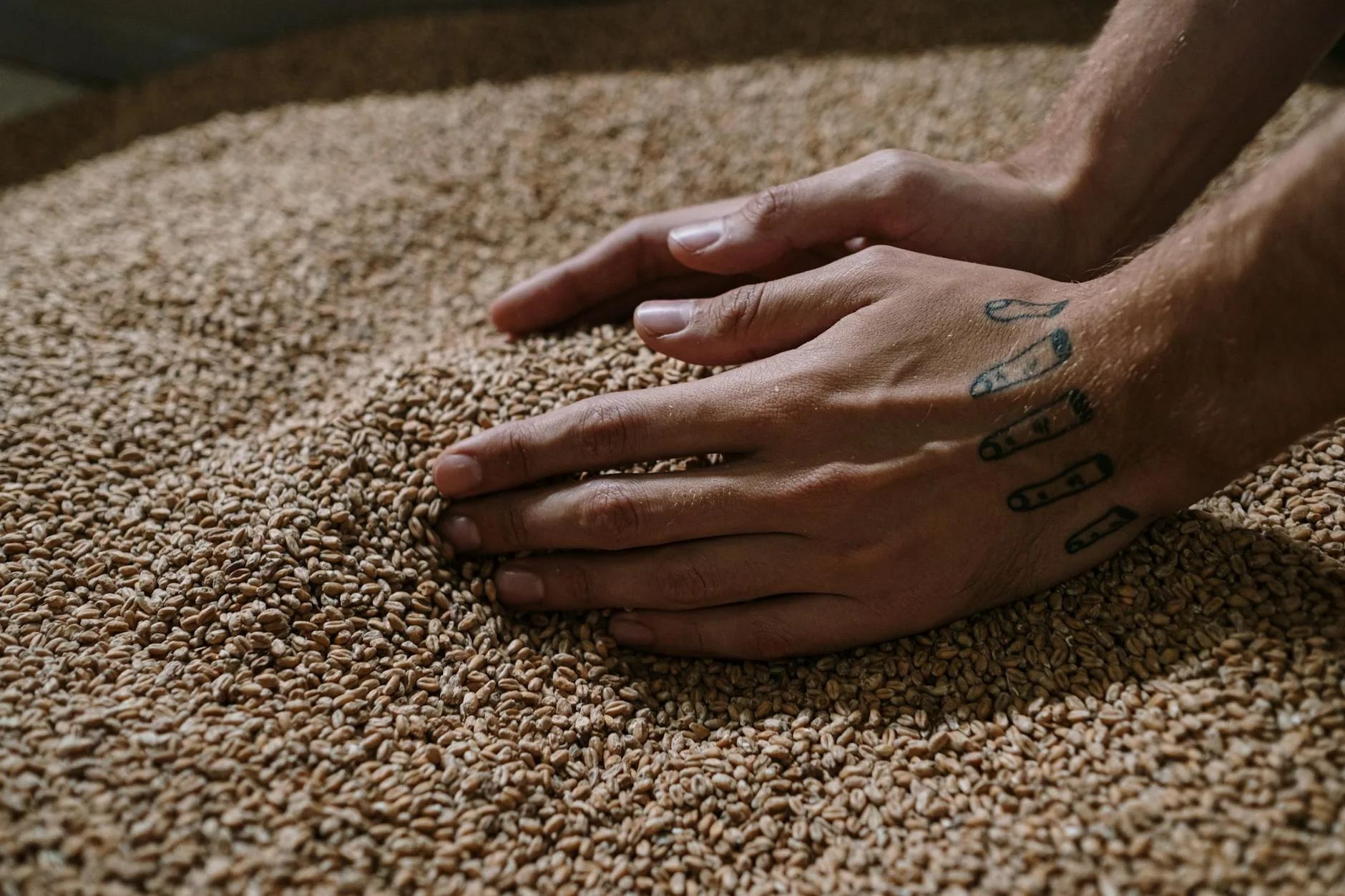
All-grain brewing is the full experience. You mash malted barley in hot water to extract the sugars yourself, rather than relying on pre-made extract. This gives you complete control over every aspect of the beer, but it takes more space, more time (4-6 hours on brew day), and more equipment. A basic all-grain setup — including a mash tun, hot liquor tank, and boil kettle — can cost anywhere from £150 to well over £500. If you’re curious about whether an all-in-one brewing system is right for you, that’s worth exploring — they simplify the all-grain process considerably.
Choosing Your First Equipment
This is where most beginners either overspend on gear they don’t need yet, or underspend and get frustrated with poor results. Here’s what actually matters at each stage.
The Essentials (Kit Brewing)
- Fermenter — a food-grade plastic bucket with a lid and airlock, or a PET pressure barrel. The 25-litre King Keg or basic bucket fermenters from The Home Brew Shop cost about £12-20
- Siphon and bottling wand — for transferring beer without disturbing the sediment. About £8-12
- Hydrometer — measures sugar content so you know when fermentation is done. Critical for safety (exploding bottles are not a myth). About £5-8
- Bottles — save brown glass bottles from shop-bought beer, or buy PET bottles. Either works. Brown glass blocks light better, which protects hop flavour
- Sanitiser — VWP or StarSan. This is arguably the most important thing you’ll buy. Poor sanitisation ruins more home brew than bad ingredients ever will. About £5 for a tub that lasts months
- A decent thermometer — digital probe thermometers from Amazon UK cost about £8-15 and are far more reliable than the cheap stick-on strips
A solid starter kit bundles all of this together and usually works out cheaper than buying items separately. Expect to pay £40-70 for a complete kit brewing starter set.
Stepping Up (Extract Brewing)
Everything above, plus:
- Large stock pot — at least 15 litres, ideally with a thermometer port. A basic stainless steel pot from Amazon UK or a catering supplier runs £30-50
- Grain bag or mesh basket — for steeping specialty grains. About £5-10
- Kitchen scales — accurate to 1g for measuring hops. You probably already own these
- Hop bags — muslin or nylon. Cheap but essential for keeping hop debris out of your fermenter
Going All-Grain
This is a bigger investment, but you can build up gradually:
- Mash tun — many UK brewers convert a cool box (like an Igloo or Coleman from Argos) with a stainless steel braided hose as a filter. Total conversion cost: about £30-50. Purpose-built mash tuns from places like Grainfather or Mash King start around £80
- Hot liquor tank — a second vessel for heating sparge water. Another converted cool box works, or just a large pot on the hob
- Boil kettle — needs to hold your full pre-boil volume, typically 25-30 litres for a standard batch. Stainless steel options from £40-80
- Wort chiller — an immersion coil that cools your boiled wort quickly. About £25-40 for a copper coil version. This isn’t optional for all-grain — fast cooling prevents off-flavours and bacterial contamination
Water: The Ingredient Most Beginners Ignore
Here’s something that took me embarrassingly long to figure out: water makes up over 90% of your beer, and UK tap water varies massively depending on where you live. Brewers in soft water areas like Manchester or Glasgow will get different results from the same recipe compared to someone in hard water London or the Cotswolds.
You don’t need to become a chemistry expert overnight, but understanding the basics of brewing water chemistry will transform your beer. At minimum, get a water report from your supplier (most UK water companies publish these online for free) and learn what your calcium and bicarbonate levels look like.
For your first few brews, don’t stress about it. Kit beers are formulated to work with average tap water. But once you move to extract or all-grain, water treatment becomes one of the biggest levers for improving your beer. A decent pH meter and some brewing salts (gypsum, calcium chloride) will cost under £40 and make a noticeable difference.
Picking the Right Beer Style for Your Setup
Not all beer styles are equally forgiving for beginners. Some practically brew themselves; others will punish every small mistake.
Start here:
- English bitter or pale ale — low ABV, forgiving of minor temperature fluctuations, and doesn’t require precise water chemistry. A good Woodforde’s Wherry kit makes a cracking session beer
- Stout or porter — roasted malts are very forgiving and mask minor off-flavours. Plus, dark beers don’t suffer from the “homebrew haze” that bothers some people in pales
- Brown ale — simple malt profile, relatively quick to condition, and very drinkable. Newcastle Brown Ale clones are a popular first all-grain recipe
Wait until you have more experience:
- Lagers — require precise temperature control during fermentation (10-12°C for weeks). Unless you have a dedicated fermentation fridge, lagers are frustrating to brew well in a UK home
- Belgian styles — the yeast strains are temperamental and produce wildly different results depending on fermentation temperature
- High-ABV beers (imperial stouts, barley wines) — stress the yeast and need months of conditioning
For a deeper dive into what makes each style tick, have a look at our beer styles guide. It covers everything from milds to IPAs and will help you set realistic expectations for your early batches.
Fermentation Temperature: The Secret to Good Beer
Ask any experienced brewer what makes the biggest difference to homebrew quality, and most will say fermentation temperature control. Not expensive ingredients, not fancy equipment — temperature.
Most ale yeasts work best between 18-22°C, as Fermentis recommends for their popular US-05 strain. Go too warm and you’ll get fruity esters and harsh fusel alcohols that taste like nail polish remover. Go too cold and the yeast goes dormant before finishing the job, leaving you with sweet, under-attenuated beer.
In a UK home, this creates a seasonal challenge. Winter kitchens can drop below 15°C overnight. Summer spare rooms can hit 28°C during a heatwave. Neither is ideal.
Practical solutions that actually work:
- Insulated cupboard or wardrobe — wrap your fermenter in an old sleeping bag in a cupboard that doesn’t face an exterior wall. This smooths out temperature swings surprisingly well
- Brew belt or heat pad — about £10-15 from any home brew shop. Wraps around the fermenter and provides gentle warmth during winter months. Not precise, but effective
- Second-hand fridge with a temperature controller — this is the gold standard. Pick up a used fridge from Facebook Marketplace (£30-50) and an Inkbird ITC-308 temperature controller (about £35 from Amazon UK). Total investment: under £100 for near-perfect temperature control year-round. This single upgrade will improve your beer more than anything else you can buy
Ingredients: Where to Source Them in the UK
The UK has brilliant home brew suppliers, and most of them ship next-day. Here are the ones worth knowing about:
- The Malt Miller — consistently excellent range of grains and hops, vacuum-packed for freshness. Based in Braintree, Essex. My go-to for all-grain ingredients
- BrewUK — great starter kits and equipment at competitive prices
- Geterbrewed — Northern Ireland-based, fantastic hop selection and very responsive customer service
- The Home Brew Shop (Farnborough) — one of the oldest and biggest UK suppliers. Solid range across the board
- Love Brewing — good for kit beers and beginner equipment
For hop-forward styles like IPAs, freshness matters enormously. Buy hops vacuum-packed and store them in the freezer. Hops that have been sitting in a clear bag on a shop shelf for six months will give you dull, cheesy flavours instead of the bright tropical punch you’re after.
Yeast is the other ingredient that’s worth paying attention to. Dried yeast packets (Fermentis SafAle US-05, Nottingham, SafAle S-04) are reliable, cheap (about £3-4 per packet), and don’t require a starter. Liquid yeasts from Wyeast or White Labs give you more strain variety but cost more (£7-9) and need careful handling. For your first dozen brews, stick with dried yeast. It’s foolproof.
From Kit Brewer to All-Grain: When to Make the Jump
There’s no rush. Plenty of brewers happily make excellent beer from extract for years. But if you find yourself tweaking every kit recipe — adding extra hops, steeping grains, adjusting fermentation temperatures — you’re probably ready for all-grain.
The honest truth is that all-grain brewing doesn’t automatically make better beer than extract. What it gives you is complete creative control. You choose every grain in the malt bill, every hop addition, every water adjustment. The ceiling for quality is higher, but so is the floor — mess up your mash temperature and you’ll get thin, watery beer that no amount of hops will fix.
If you’re tempted, the most beginner-friendly route is an all-in-one system like the Grainfather G30 (about £350-400) or the more affordable BrewZilla (about £250-300). These combine mash tun, boil kettle, and pump into a single vessel. They take up less space than a traditional three-vessel setup and come with step-by-step instructions. Check out our guide to all-in-one systems if you’re weighing up whether they’re worth the cost.
Bottling vs Kegging
Most beginners start with bottles, and there’s nothing wrong with that. Brown glass swing-top bottles (Grolsch-style) are reusable, widely available, and free if you drink enough of the original contents. Add a measured amount of priming sugar to each bottle, cap it, wait two weeks, and you’ve got carbonated beer.
The downsides? Bottling 40 pints is tedious — expect it to take 60-90 minutes including sanitising. You’ll also end up with sediment at the bottom of every bottle, which means careful pouring.
Kegging changes the game entirely. A Cornelius (corny) keg holds about 19 litres, and you can force-carbonate with CO2 in 24-48 hours instead of waiting weeks. No bottle sediment, no priming sugar calculations, no capping. Just clear, perfectly carbonated beer on tap in your own home. For a detailed walkthrough, our kegging guide covers everything from sourcing secondhand kegs to setting up a kegerator.
The cost barrier is real, though. A basic kegging setup — one reconditioned corny keg, CO2 bottle, regulator, and disconnects — runs about £120-180. Add a second-hand fridge to keep it cold and you’re looking at £200-250 total. Worth every penny if you brew regularly, but perhaps not where you want to start on your very first batch.
Common Mistakes and How to Dodge Them
After brewing more batches than I’d care to count (and drinking plenty that deserved to go down the sink), here are the mistakes I see most often:
- Skimping on sanitisation — I cannot stress this enough. If something touches your beer after the boil, it needs to be sanitised. Not rinsed. Not “probably clean enough.” Sanitised. StarSan is your best friend here — it’s no-rinse, effective, and cheap at about £12 for a bottle that makes gallons of solution
- Bottling too early — use your hydrometer. Take a gravity reading, wait two days, take another. If the numbers match, fermentation is done. If they’re still dropping, leave it. Bottling before fermentation finishes is how you get bottle bombs
- Fermenting too warm — that airing cupboard might seem perfect, but 28°C is way too hot for most ale yeasts. The banana and solvent flavours that result are the number one reason people think homebrew tastes bad
- Rushing the process — your beer needs time to condition. Most ales improve noticeably between weeks 3 and 6 in the bottle. The hardest part of brewing isn’t any technical skill — it’s not drinking it too early
- Not taking notes — keep a brew log. Write down what you did, what you measured, and how the beer turned out. When you nail a great batch, you’ll want to know exactly how to repeat it
How Much Does Beer Brewing Cost in the UK?
Let’s talk real numbers, because “saving money on beer” is often cited as a reason to brew, and it deserves an honest look.
Kit brewing: about £15-25 per batch of 40 pints. That’s roughly 40-60p per pint. Compared to £5-6 for a pub pint or £1.50-2 for a decent can from the supermarket, you’re saving money from batch one — assuming you actually enjoy drinking what you’ve made.
Extract brewing: about £20-35 per batch, so 50-90p per pint. Still excellent value, and the quality jump from kits is significant.
All-grain: ingredient costs drop to about £15-25 per batch because base malt is cheap when bought in 25kg sacks (about £30-35 from The Malt Miller). Your per-pint cost is similar to kit brewing, but the initial equipment investment is higher.
The equipment pays for itself within 3-5 batches for kit brewing, longer for all-grain. But if we’re being honest, most brewers don’t do it primarily to save money. They do it because making your own beer is deeply satisfying, and the quality you can achieve at home — especially with experience — rivals or surpasses what you’d buy in a craft beer shop at £4-5 per can.
Getting Started: Your First Brew Day
If you’ve read this far and you’re ready to give it a go, here’s what I’d recommend for your absolute first brew:
Pick up a complete starter kit that includes a fermenter, siphon, hydrometer, and a beer kit of your choice. Woodforde’s Wherry or Coopers Australian Pale Ale are both solid choices that are hard to mess up. Total cost: about £50-70.
Clear a couple of hours on a weekend, read the instructions twice (not once — twice), sanitise everything obsessively, and follow the steps. Don’t improvise on your first batch. Resist the urge to peek at the fermenter every day. Take a gravity reading after a week, another after 10 days, and when they match, bottle it up.
Then the hard part: wait at least three weeks before you drink it. Four is better. Six is ideal. The difference between a two-week-old homebrew and a six-week-old one is night and day.
And if your first batch isn’t perfect? That’s fine. Nobody’s is. The beginners’ guide on this site covers the basics in more detail, and there’s a whole world of techniques to explore — from dry hopping to water chemistry to advanced yeast management.
Welcome to the hobby. Your fridge is about to get a lot more interesting.
Frequently Asked Questions
Is it legal to brew beer at home in the UK? Yes. In the UK, you can brew unlimited quantities of beer at home for personal consumption without a licence. You cannot sell it without the appropriate HMRC licence. There is no duty to pay on homebrew as long as it is for personal use only.
How long does it take to brew beer at home? Active brewing time is about 1-2 hours for kit brewing and 4-6 hours for all-grain. Fermentation takes 1-2 weeks, and conditioning in bottles takes another 2-6 weeks. From brew day to drinking, expect a minimum of 4 weeks for ales and 6-8 weeks for lagers.
How much does it cost to start brewing beer in the UK? A complete kit brewing starter set costs about £50-70 and includes everything you need for your first batch. Extract brewing adds about £40-60 in extra equipment. A full all-grain setup ranges from £150 to over £500, though all-in-one systems like the BrewZilla start around £250.
What is the easiest type of beer to brew at home? English bitters, pale ales, and stouts are the most forgiving styles for beginners. They tolerate minor temperature variations, don’t require precise water chemistry, and are ready to drink relatively quickly. Avoid lagers and Belgian styles until you have temperature control equipment.
Do I need a special room or space to brew beer? Not at all. Kit brewing and extract brewing can be done entirely in a standard UK kitchen. You need about 60cm of worktop space and somewhere to store a 25-litre fermenter at a stable temperature (18-22°C) for two weeks. A cupboard, spare room, or under-stairs space all work well.