You’ve got a recipe, you’ve got the equipment, and you’re ready to brew. Then you spend forty-five minutes on Google trying to figure out where to actually buy the malt, hops, and yeast — because Tesco doesn’t stock Maris Otter pale malt and your local homebrew shop closed down in 2019. Welcome to the slightly odd world of sourcing homebrew ingredients in the UK, where your options range from massive online warehouses to blokes selling hops from their garden shed on eBay.
After five years of ordering from pretty much every supplier out there — including some spectacular mistakes — I’ve settled on the ones that consistently deliver quality ingredients quickly and affordably. Here’s the definitive rundown so you don’t have to make the same expensive detours I did.
In This Article
- Best Online Homebrew Shops UK
- What Ingredients Do You Need?
- Buying Malt and Grain
- Buying Hops
- Buying Yeast
- Buying Adjuncts and Speciality Ingredients
- Recipe Kits vs Buying Separately
- How to Store Ingredients Properly
- Saving Money on Homebrew Ingredients
- Frequently Asked Questions
Best Online Homebrew Shops UK
The Malt Miller — Best Overall
The Malt Miller is where most serious UK homebrewers end up. I’ve ordered from them at least thirty times and never had a quality issue — grain arrives properly crushed, hops are vacuum-sealed, and liquid yeast comes in cold packaging even in August. Based in Staffordshire, they stock an enormous range of malt, hops, and yeast from every major supplier — and they’ll crush grain to your specification at no extra charge.
Why they’re the best:
- Grain crushing service — specify your mill gap or use their standard crush. Saves buying a mill for the first few years
- Huge hop range — including limited-release varieties you won’t find elsewhere
- Fresh yeast — stored cold, dispatched fast. Liquid yeast arrives in insulated packaging during summer
- Recipe builder tool — design a recipe on their site and buy all ingredients in one click
- Free delivery over £50 — easy to hit with a grain order
Downsides: Popular items sell out (especially new-season hops). Delivery can be 3-5 days during busy periods. The website is functional rather than pretty.
Geterbrewed — Best for Northern Ireland and Scotland
Geterbrewed ships from Belfast and offers excellent service across the UK, with particularly fast delivery to Northern Ireland and Scotland where other suppliers charge premium shipping.
- Own-brand malt — milled to order from British maltsters
- Excellent yeast range — including hard-to-find Belgian and wild strains
- Brewing water salts — full water chemistry range with guides
- Good educational content — recipe guides, video tutorials, brewing tips
BrewUK — Best Budget Option
BrewUK operates from a warehouse in Manchester and competes aggressively on price. Their own-brand ingredients are often 15-20% cheaper than equivalent name-brand products, and quality is perfectly good for everyday brewing.
- Competitive pricing — especially on bulk grain
- Clearance section — short-dated yeast and discounted hops at serious reductions
- Fast dispatch — usually same-day if ordered before 2pm
- Kit beer range — huge selection if you’re still doing extract/kit brewing
Hop and Grape — Best for Wine and Cider Making
If you brew wine or cider alongside beer, Hop and Grape has the widest combined range. They stock fruit concentrates, grape juice, wine yeasts, and cider-specific equipment that beer-focused shops often lack.
Amazon UK — Convenience (With Caveats)
Amazon stocks basic homebrew ingredients — dried malt extract, popular hop pellets, dried yeast sachets. It’s convenient for last-minute purchases or topping up single items without paying shipping. But selection is limited, freshness is unpredictable (check best-before dates on yeast), and you’ll pay more per unit than specialist shops.
What Ingredients Do You Need?
The Four Core Ingredients
Every beer uses the same four things — the variety within each is what creates different styles:
- Malt (or malt extract) — provides fermentable sugars that yeast converts to alcohol. Also contributes colour, body, and flavour
- Hops — add bitterness to balance the malt sweetness, plus aroma and flavour. Added at different stages for different effects
- Yeast — the living organism that actually makes the beer. Different strains produce wildly different flavour profiles
- Water — makes up 95% of your beer. UK tap water works fine for most styles, though adjusting mineral content can improve specific recipes
If you’re just starting out, our beginner’s guide to choosing ingredients covers what each ingredient does in more detail.
Buying Malt and Grain
Crushed vs Uncrushed
If you own a grain mill, buy uncrushed — it stores longer (months vs weeks) and you can adjust the crush for your system. If you don’t own a mill, buy pre-crushed from a supplier with a mill service (The Malt Miller, Geterbrewed). Always brew within 2-3 weeks of crushing — after that, the exposed starch starts going stale.
Base Malts You’ll Use Most
- Maris Otter — the classic British pale malt. Biscuity, slightly nutty, works in everything from bitters to IPAs. About £1.50-2.00/kg
- Pale Ale Malt — lighter and more neutral than Maris Otter. Good for styles where hops should dominate. About £1.20-1.60/kg
- Pilsner Malt — for lagers and lighter beers. Crispier, cleaner flavour. About £1.40-1.80/kg
- Wheat Malt — essential for wheat beers, useful for head retention in other styles. About £1.50-1.80/kg
Speciality Malts
These add colour, flavour, and complexity in smaller quantities (typically 5-15% of the grain bill):
- Crystal malts (light to dark) — add caramel sweetness and body
- Chocolate malt — rich, roasty flavour without coffee bitterness
- Roasted barley — intense coffee/chocolate, essential for stouts
- Munich malt — bready, malty backbone for amber ales and Märzens
How Much to Buy
A typical 23-litre batch uses 4-6kg of grain. For a single brew, buy exactly what the recipe calls for. Once you’re brewing regularly (monthly+), buying base malt in 25kg sacks saves 30-40% versus per-kg pricing — a 25kg sack of Maris Otter runs about £30-35 from most suppliers.
Buying Hops
Pellets vs Whole Leaf
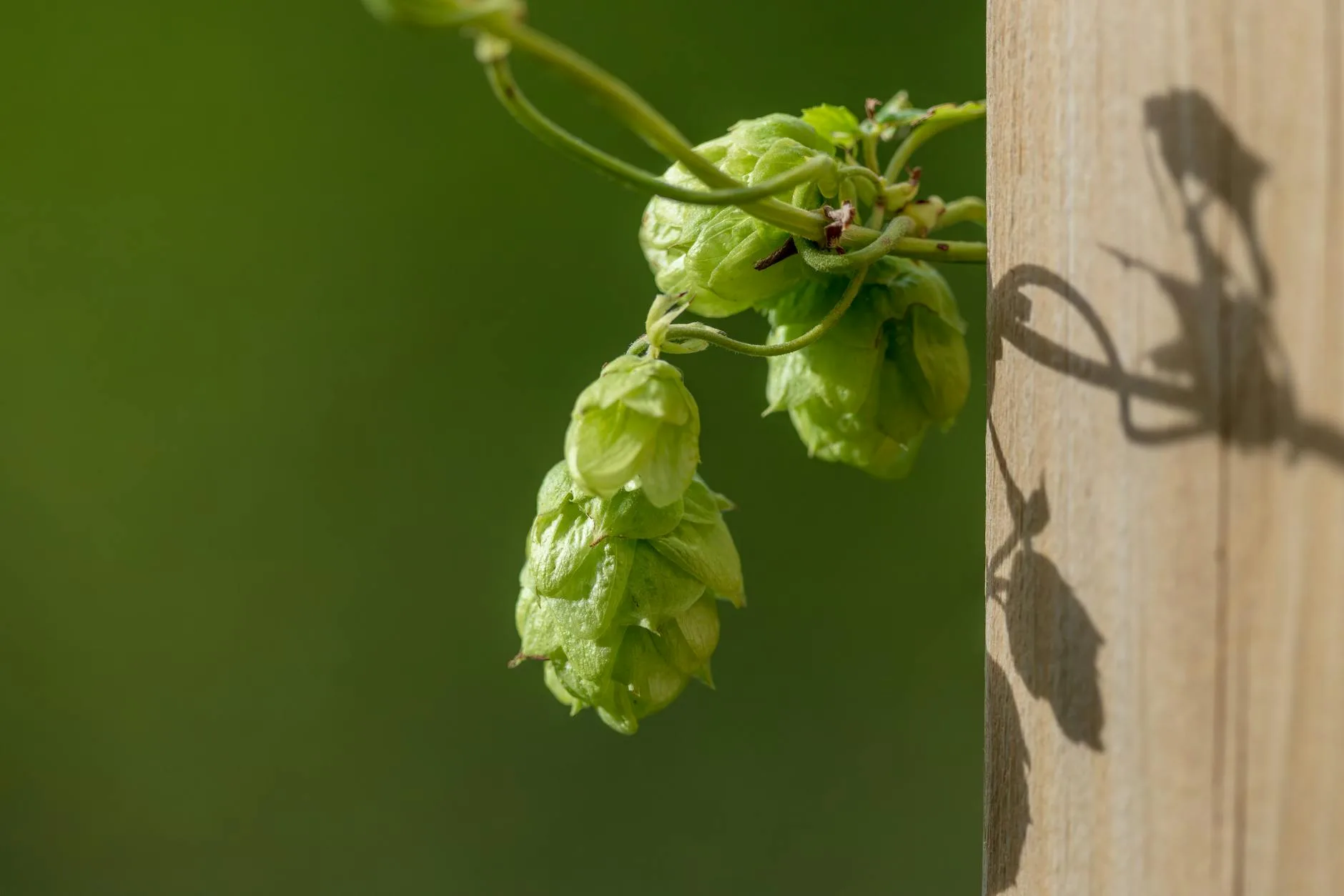
- Pellets — compressed, uniform, easy to store, consistent alpha acid content. Used by 90%+ of UK homebrewers. Better utilisation (you extract more bitterness per gram)
- Whole leaf — traditional, slightly different flavour profile, harder to store, bulkier. Some brewers prefer them for dry-hopping ales. Less consistent batch-to-batch
For most brewers: buy pellets. They’re easier to measure, store in the freezer indefinitely, and give more predictable results. I experimented with whole leaf hops for a year — the results were fine but the mess and inconsistency drove me back to pellets permanently. For a related angle, see our Dry Hopping Explained: Technique and Timing guide.
Popular UK-Available Hop Varieties
Bittering hops (added early in the boil):
- Magnum — clean, neutral bitterness. The workhorse
- Columbus — high alpha, slightly resinous
- Target — British classic, slightly harsh alone but blends well
Dual-purpose (bittering and flavour):
- Citra — tropical fruit, mango, grapefruit. The most popular craft hop
- Mosaic — berries, tropical, pine. Complex layered flavour
- Centennial — balanced floral and citrus. The “super Cascade”
Aroma hops (added late or dry-hopped):
- Cascade — classic American citrus and floral
- East Kent Goldings — quintessential English hop, earthy and spicy
- Saaz — noble hop for Pilsners, delicate herbal character
Freshness Matters
Hops degrade with exposure to oxygen, heat, and light. Always buy vacuum-sealed pellets with a clear harvest year printed on the pack. Check the alpha acid percentage matches what your recipe expects — old hops lose alpha acid over time, meaning less bitterness per gram.
Our guide to homebrew hops varieties goes deeper into flavour profiles and substitutions.
Buying Yeast
Dried vs Liquid
- Dried yeast (Fermentis, Lallemand, Mangrove Jack’s) — cheap (£3-5 per sachet), long shelf life (2+ years), easy to use, no starter needed for standard-gravity beers. Perfect for beginners and reliable for experienced brewers
- Liquid yeast (White Labs, Wyeast, Omega) — greater variety of strains, more nuanced flavour contributions, needs a starter for higher-gravity beers, shorter shelf life (3-6 months), must be shipped cold. About £7-10 per pack
When to Use Each
Dried yeast when:
- Brewing clean ales (US-05 is practically foolproof)
- Budget matters
- You want reliability and consistency
- Brewing standard-gravity beers (under 1.065 OG)
Liquid yeast when:
- You want a specific strain’s character (Belgian abbey, British cask ale, Kveik)
- Brewing styles where yeast IS the flavour (hefeweizen, saison, Belgian tripel)
- You’ve got the experience to make starters and manage fermentation temperature
Storage and Freshness
Yeast is alive. Treat it accordingly. Dried yeast stores at room temperature but lasts longer in the fridge. Liquid yeast MUST be refrigerated and used before its best-by date — old liquid yeast has fewer viable cells and may produce off-flavours or stall fermentation.
Check our best brewing yeasts guide for specific strain recommendations by style.
Buying Adjuncts and Speciality Ingredients
Common Adjuncts
- Brewing sugars (dextrose, Belgian candi sugar) — add fermentable sugar without body. Used in Belgian styles, IPAs wanting a drier finish, and for bottle carbonation
- Lactose — unfermentable sugar that adds permanent sweetness and body. Essential for milk stouts and pastry stouts
- Oats (flaked or malted) — add creamy body and silky mouthfeel. Critical for hazy IPAs and oatmeal stouts
- Fruit — fresh, frozen, or purée. Added during or after fermentation for fruit beers
- Coffee and chocolate — for stouts and porters. Buy freshly roasted coffee beans, not ground
Where to Source Them
Most homebrew suppliers stock the basics (dextrose, lactose, flaked oats). For fruit, buy frozen from the supermarket — it’s pasteurised by the freezing process and cheaper than “brewing fruit.” For coffee, order from a local roaster and add whole beans directly to the fermenter post-fermentation.
Specialist items like Brett cultures, oak chips, and exotic spices are best sourced from The Malt Miller or Geterbrewed — the range is broader than general shops.
Recipe Kits vs Buying Separately
When Kits Make Sense
Recipe kits arrive with pre-measured, pre-crushed grain, pre-weighed hops, and a yeast packet — everything for one batch in a single box. They cost about £20-35 depending on style and grain quantity.
Good for:
- Your first few all-grain brews (removes measuring anxiety)
- Trying a new style without committing to full-size ingredient bags
- Gifts for homebrewing friends
- When you want to brew without planning
When Buying Separately Wins
Once you’ve brewed 5-10 batches and understand what you like, buying individual ingredients gives you:
- Recipe control — adjust every element to your preference
- Cost savings — bulk base malt is much cheaper than kit pricing
- Freshness — you choose the harvest year for hops, the manufacture date for yeast
- Availability — no waiting for a specific kit to come back in stock
The Hybrid Approach
Many experienced brewers buy base malt in bulk (25kg sacks) and order speciality malts, hops, and yeast per-recipe from online shops. This gives the best balance of cost efficiency and freshness. Our Best Homebrew Temperature Controllers 2026 guide is useful alongside this.

How to Store Ingredients Properly
Grain
- Uncrushed grain — sealed container, cool and dry, lasts 6-12 months. A large food-grade bin with a tight lid works perfectly
- Crushed grain — use within 2-3 weeks. Store in a sealed bag with as much air squeezed out as possible
- Keep away from: moisture (causes mould), pests (mice and weevils love malt), heat, direct sunlight
Hops
- Vacuum-sealed pellets in the freezer — last 2-3 years with minimal degradation
- Once opened — squeeze out air, reseal tightly, return to freezer immediately
- Never store at room temperature — alpha acids degrade rapidly above 20°C
- Smell check — hops that smell cheesy or like old sweat have oxidised. Bin them
Yeast
- Dried yeast — fridge door (5-10°C) extends life. Room temperature is fine for the stated shelf life
- Liquid yeast — always refrigerated, used within 3 months of manufacture for best results. Make a starter if the pack is more than 4 weeks old
- Never freeze yeast — ice crystals kill cells
Water Additions
Brewing salts (gypsum, calcium chloride, Campden tablets) store indefinitely in sealed containers at room temperature. No special handling needed — they’re minerals, not perishables.
Saving Money on Homebrew Ingredients
Buy Base Malt in Bulk
The single biggest saving. A 25kg sack of Maris Otter costs about £30-35. That’s roughly £1.30/kg versus £2.00/kg buying 5kg bags. Over 10 brews, that’s £30-40 saved — enough for several batches of hops and yeast.
Group Buys with Other Brewers
Many homebrew clubs organise bulk orders to hit free shipping thresholds or negotiate wholesale prices. The Campaign for Real Ale (CAMRA) website lists local branches that often connect homebrewers.
Buy Hops by the 100g or Larger
Hops come in 25g, 50g, 100g, and 500g packs. The per-gram price drops substantially at 100g — and since hops freeze perfectly, buying 100g even if you only need 60g for one recipe makes financial sense. You’ll use the rest within months.
Harvest and Grow Your Own
If you have garden space, hop rhizomes grow readily in the UK climate. First Admiral, Fuggles, and Goldings all grow well outdoors. You’ll get a usable harvest by year two, and within 3-4 years a mature plant can produce enough hops for 10+ batches annually. Not a short-term money saver, but deeply satisfying.
Use Dried Yeast Where Appropriate
At £3-5 versus £7-10 for liquid yeast, the savings add up. For clean ales (US-05, Nottingham) and standard lagers (W-34/70), dried yeast performs identically to liquid equivalents. Save liquid yeast expenditure for styles where the strain really matters.
Frequently Asked Questions
What’s the cheapest way to start buying homebrew ingredients? Buy a recipe kit for your first batch (about £25-30 all-in) to learn the process without wasting ingredients on mistakes. After 3-4 successful brews, switch to buying a 25kg sack of base malt (£30-35), individual hops per recipe, and dried yeast. A typical all-grain batch then costs about £10-15 in ingredients — less than buying a case of equivalent craft beer.
How much do homebrew ingredients cost per batch? A standard 23-litre batch of all-grain beer costs approximately £10-20 depending on style. Simple bitters and pale ales are cheapest (£10-12). IPAs with exotic hops cost more (£15-20). Imperial stouts with speciality malts and adjuncts can reach £25+. Extract brewing costs slightly more due to malt extract pricing.
Can I buy homebrew ingredients on the high street? Dedicated homebrew shops have mostly disappeared from high streets, but Wilko (where still open) stocks basic kit beer ingredients. Some independent kitchen/cookware shops carry a small range. For anything beyond the basics — specific grain varieties, fresh hops, liquid yeast — online is really your only option in 2026.
Do homebrew ingredients go off? Yes. Crushed grain goes stale within 3-4 weeks. Hops degrade at room temperature (store in freezer). Liquid yeast loses viability monthly — always check dates. Dried yeast has a long shelf life (2+ years) but still benefits from fridge storage. Uncrushed whole grain keeps 6-12 months in cool, dry conditions.
Is it cheaper to buy ingredients in bulk? For base malt, always yes — 25kg sacks save 30-40% versus smaller bags. For hops, 100g packs save 15-20% versus 25g packs and freeze without issue. For yeast, there’s no bulk discount since you use one packet per brew, but buying dried versus liquid saves £4-7 per batch with no quality difference for clean beer styles.