For UK beginners, the best brewing book is one they can use while making beer, not a specialist reference that assumes they already know their mash from their fermentation. For a first beer-brewing book, Home Brew Beer by Greg Hughes is the approachable choice. If you have brewed a few batches and want to understand the process in depth, choose John Palmer’s fourth edition of How to Brew. The six print books below cover different stages, from first recipes to fermentation and advanced hop work; this is a beer-focused shortlist, not a wine-making library.
Our top 6 brewing-book picks

Home Brew Beer by Greg Hughes
Best first brewing book
A friendly, UK-published starting point with methods and recipes you can keep using as you move beyond your first batch.

How to Brew, fourth edition, by John Palmer
Best for learning the process
A detailed explanation of ingredients and brewing stages, useful when you want to understand why a batch went wrong.

Brew Your Own British Real Ale by Graham Wheeler
Best for British beer styles
A focused route into bitters, milds and other familiar real-ale styles rather than another general brewing manual.

Brewing Classic Styles by Jamil Zainasheff and John Palmer
Best broad recipe collection
A large set of style-based recipes for brewers who already have the basics under control.

Yeast by Chris White and Jamil Zainasheff
Best fermentation deep dive
A specialist reference for the brewer trying to understand yeast health and repeatable fermentation.
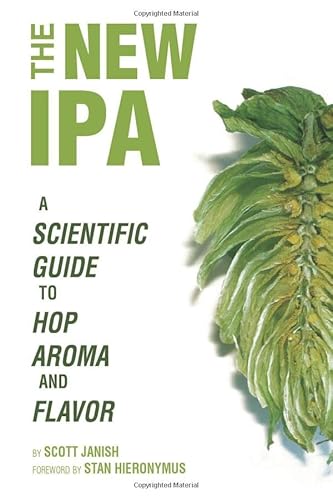
The New IPA by Scott Janish
Best for advanced hop-focused brewing
An in-depth book for brewers tackling hop aroma, oxygen exposure and modern IPA technique.
In This Article
- Comparison at a glance
- Six brewing books reviewed
- How to choose a brewing book
- Build a small, useful brewing library
- Before you buy
- Our verdict
- Frequently Asked Questions
Comparison at a glance
These are different purchases, not six substitutes for a first guide. Start with the question you need answered: how to begin, how to improve the process, which beer to make next, or how to solve a particular technical problem.
| Book | Best for | What it adds | Main limitation |
|---|---|---|---|
| Home Brew Beer | First beer brews | Accessible methods and recipes | Less technical depth |
| How to Brew, fourth edition | Process and troubleshooting | Detailed brewing explanations | A lot to absorb at the start |
| Brew Your Own British Real Ale | British pub styles | Traditional ale recipes | Narrower style range |
| Brewing Classic Styles | Recipe variety | Style-led recipes | US measures and older style framing |
| Yeast | Fermentation problems | Yeast and process detail | Too specialised for a first book |
| The New IPA | Hop-focused advanced brewing | Modern IPA and aroma detail | Little use if you do not brew hoppy beer |
Six brewing books reviewed
1. Home Brew Beer by Greg Hughes: best first brewing book
Greg Hughes’ Home Brew Beer is the easiest place to start if you want a physical guide that stays useful beyond the first batch. The selected DK hardcover is ISBN 9780241392577. Its blend of brewing method and recipes makes it a better first purchase than a book devoted entirely to water chemistry or a single beer style. It also speaks to UK readers without making every ingredient name feel like a translation exercise.
It will not answer every advanced process question. That is the point: learn sanitation, fermentation and basic measurements first, then use a deeper reference when you can recognise the problem you are trying to solve. Pair the book with our first-brew walkthrough if you are choosing equipment as well as reading.
- Choose it if: you are starting out or buying a practical gift for a new beer brewer.
- Skip it if: you already have a reliable basic method and want deep troubleshooting.
- Main compromise: accessible breadth rather than textbook-level detail.
2. How to Brew, fourth edition, by John Palmer: best process guide
John Palmer’s fourth edition is the one to buy when you want the reasoning behind the steps. The selected paperback is ISBN 9781938469350; check the edition carefully because older editions are also sold. It goes much deeper into ingredients, mash, fermentation and packaging than a friendly first recipe collection.
Its American terminology and units take some translation for a UK kitchen, and the volume of detail can be tiring if you have not brewed yet. Use it to answer a real process question rather than reading every chapter before your first kit. The publisher’s description sets out its fourth-edition scope. Our extract-versus-all-grain guide is a quick companion when you are deciding which method to learn next.
- Choose it if: you want a long-term technical reference.
- Skip it if: you only want an easy recipe to follow this weekend.
- Main compromise: useful depth, but not the lightest first read.

3. Brew Your Own British Real Ale by Graham Wheeler: best for pub styles
For bitters, milds, porters and stouts, Graham Wheeler’s Brew Your Own British Real Ale is the focused choice. The selected CAMRA paperback is ISBN 9781852492588. Its value is the British recipe direction: if the pint you want to recreate belongs in a pub rather than a modern hop showcase, it gives you a clearer target than a general-purpose brewing library.
It is an older book. Treat its recipes as starting points and check contemporary ingredient substitutions and yeast handling against your supplier’s current advice. The CAMRA description explains its traditional-ale focus; our beer-styles guide helps if you are still deciding which style to brew.
- Choose it if: British real-ale recipes are your priority.
- Skip it if: you want a broad modern style survey or beginner equipment manual.
- Main compromise: strong UK focus, older recipe assumptions.
4. Brewing Classic Styles: best broad recipe collection
Jamil Zainasheff and John Palmer’s Brewing Classic Styles gives you many style-based recipes rather than another general introduction. The selected paperback is ISBN 9780937381922. It makes sense after you can make a clean, repeatable batch and want a recipe target for a style you have not tackled before.
The recipes use American measurements and ingredient names, so UK brewers should plan substitutions rather than copying a shopping list blindly. Its style framing is also older; it is less useful for the latest hazy IPA variations than a specialist modern book. If you are still learning what a hydrometer reading means, spend time with our hydrometer guide before collecting more recipes.
- Choose it if: you want recipes across many established beer styles.
- Skip it if: you need one beginner method explained from start to finish.
- Main compromise: recipe range, with UK conversion work.
5. Yeast by Chris White and Jamil Zainasheff: best fermentation deep dive
Yeast is the specialist book for a brewer whose batches keep missing the same mark despite changing recipes. The selected paperback is ISBN 9780937381960. It examines yeast behaviour, fermentation management and troubleshooting in far more detail than the first-book choices above. That makes it a sensible second or third reference once you are taking notes on your own batches.
It is not a magic fix for every off-flavour. Cleaning, temperature, ingredients and packaging still matter, and some practical advice in an older technical book may need checking against current yeast-maker guidance. Start with our cleaning and sanitising guide if contamination is a more immediate possibility.
- Choose it if: fermentation is the recurring question in your brewing notes.
- Skip it if: you have not yet brewed enough batches to spot a pattern.
- Main compromise: depth in one part of the process, not a complete beginner course.
6. The New IPA by Scott Janish: best advanced hop book
Scott Janish’s The New IPA is for a brewer who already makes pale ales and wants to dig into hop aroma and flavour. The selected paperback is ISBN 9780578477862. Its focus is much narrower than Palmer’s broad process guide, which is exactly why a dedicated IPA brewer may find it more useful.
Do not buy it to solve a basic sanitation or fermentation-temperature problem. A technically interesting hop schedule cannot rescue an unstable process. It is also a poor-value shelf addition if your favourite brews are bitters or lagers. Once the basics are repeatable, our recipe-design guide is a useful bridge from following instructions to adjusting them deliberately.
- Choose it if: your specific goal is more expressive modern IPA.
- Skip it if: you seldom brew hop-forward beer.
- Main compromise: advanced insight within a narrow style focus.
How to choose a brewing book
Start with the problem you actually have
A first-time brewer needs a complete path through a brew day; an intermediate brewer often needs an explanation of why a step matters. Recipe books are most useful once you can repeat your method. A fermentation reference is most useful when you can compare notes across batches. Buying by stage is more economical than buying every acclaimed title at once.
Check edition, format and units
Several of these titles exist as older printings, hardcovers and digital books. Match the ISBN stated in each review to the format you want. This matters especially for Palmer’s fourth edition. If you brew in litres and degrees Celsius, expect to convert some US recipes and measurements; keep a consistent set of conversions in your brewing notebook.
Choose recipes or explanations
A recipe collection tells you what to make. A process book helps you diagnose why the result differed from the plan. Neither replaces careful measurement, cleaning and temperature control. If your current kit is missing essentials, compare our beer-brewing equipment guide before adding another book to the shelf.
Build a small, useful brewing library
For the first three brews: buy Greg Hughes and use one method until you can repeat it. Record what you did, including temperature and gravity. Then decide which question is still unanswered.
For all-grain or recurring process problems: add the fourth edition of How to Brew. If the difficulty is specifically fermentation, Yeast is the more focused follow-up; if it is water chemistry, start with our water-chemistry primer before buying another specialist volume.
For recipe exploration: choose CAMRA for British pub beer or Brewing Classic Styles for a wider set of established styles. Add The New IPA only when hop-forward beer has become a serious project, not because the title looks advanced.

Before you buy
- Match the exact ISBN: a similar cover can conceal a different edition or format.
- Decide whether you want print or digital: a print book is easier to leave open on a bench, but protect it from spills.
- Allow for UK substitutions: some US recipes name malts, hops and measures differently.
- Consider a used copy: older recipe books can still be useful, but check the edition of a technical reference.
Our verdict
For a new UK beer brewer, Home Brew Beer is the most useful first purchase. Add How to Brew, fourth edition when you want to understand the process rather than simply follow it. Choose the next book only for the beer you brew or the problem you repeatedly meet: CAMRA for British real ale, Brewing Classic Styles for broader recipes, Yeast for fermentation, or The New IPA for hop-focused work.
Frequently Asked Questions
Which brewing book should a UK beginner buy first? Home Brew Beer by Greg Hughes is the clearest first choice here for a new beer brewer who wants practical methods and recipes in one book.
Which edition of How to Brew is recommended? The fourth edition by John Palmer, ISBN 9781938469350. Check the edition and format before buying because older books with a similar title are also sold.
Which book is best for British real ale? Brew Your Own British Real Ale by Graham Wheeler is the focused choice for traditional UK pub styles. Check contemporary ingredient substitutions when following older recipes.
Should I buy a recipe book or a technical guide? Choose a recipe book when you can brew consistently and want new styles. Choose a technical guide when you need to understand or troubleshoot your process.
Are used brewing books worth buying? Often, especially for recipe inspiration. For process references, confirm that the used copy is the edition you intend to read.
Is The New IPA suitable for a first brew? It is too specialised for most first brews. Start with a general method, then consider it if you repeatedly brew hop-forward beers and want more technical detail.