You’ve brewed a pale ale, you’ve tasted the satisfaction of pouring something you made yourself, and now you want something that tastes like the beer you grew up drinking — or the beer your dad swore by at his local. A proper English bitter. Not the craft IPA wall-of-hops experience, but that malty, biscuity, gently bitter pint that session drinkers in the UK have relied on for a century. The good news: English bitters are among the easiest and cheapest beers to brew at home, and the ingredient list is short.
In This Article
- What Makes an English Bitter?
- Bitter vs Pale Ale: What’s the Difference?
- The Recipe
- Ingredients in Detail
- Brew Day: Step by Step
- Fermentation and Conditioning
- Bottling or Cask Conditioning
- Tasting Notes and What to Expect
- Tweaking the Recipe
- Frequently Asked Questions
What Makes an English Bitter?
English bitter is a session beer — designed to be drunk in quantity without flooring you. It’s malt-forward, with enough hop bitterness to balance the sweetness but not enough to dominate. Think biscuit, toffee, light caramel, a touch of earthiness from the hops, and a clean, dry finish that makes you want another sip immediately.
The Style Guidelines
- ABV: 3.2-3.8% for ordinary bitter, 3.8-4.6% for best bitter, 4.6-6.2% for extra special bitter (ESB)
- Colour: gold to amber (8-18 SRM)
- Bitterness: 20-35 IBU — noticeable but never aggressive
- Carbonation: low to moderate — English bitters traditionally have softer carbonation than lagers or American ales
- Body: light to medium, with enough malt character to feel satisfying
The Great British Pint
Bitters like Timothy Taylor’s Landlord, Fuller’s London Pride, and Harvey’s Sussex Best are the benchmarks. If you’ve ever had a well-kept cask bitter in a proper pub and thought “this is what beer should taste like,” that’s what we’re brewing.
Bitter vs Pale Ale: What’s the Difference?
They’re cousins, not twins. Both use pale malt as a base, both are top-fermented ales, and both originated in Britain. The differences are subtle but important:
- Hops: bitters use English hops (earthy, herbal, floral). American pale ales use American hops (citrus, tropical, pine)
- Malt emphasis: bitters showcase the malt. Pale ales (especially American-style) showcase the hops
- Strength: bitters are typically lower ABV — built for session drinking
- Yeast character: English ale yeast produces fruity esters (subtle apple, pear, stone fruit) that contribute to the complexity. American ale yeast is intentionally clean and neutral
- Carbonation: bitters are softer. American pale ales are more effervescent
Our pale ale recipe uses American hops and yeast for a different result. This recipe goes in the opposite direction — all British.
The Recipe
This recipe makes approximately 23 litres (40 pints) of a 4.0% ABV best bitter using extract brewing.
Fermentables
- 2.5kg light liquid malt extract (LME) — or 2kg light dry malt extract (DME)
- 250g crystal malt 60L — adds toffee, caramel depth
- 150g biscuit malt — adds the biscuity, bread-crust character that defines English bitters
Hops
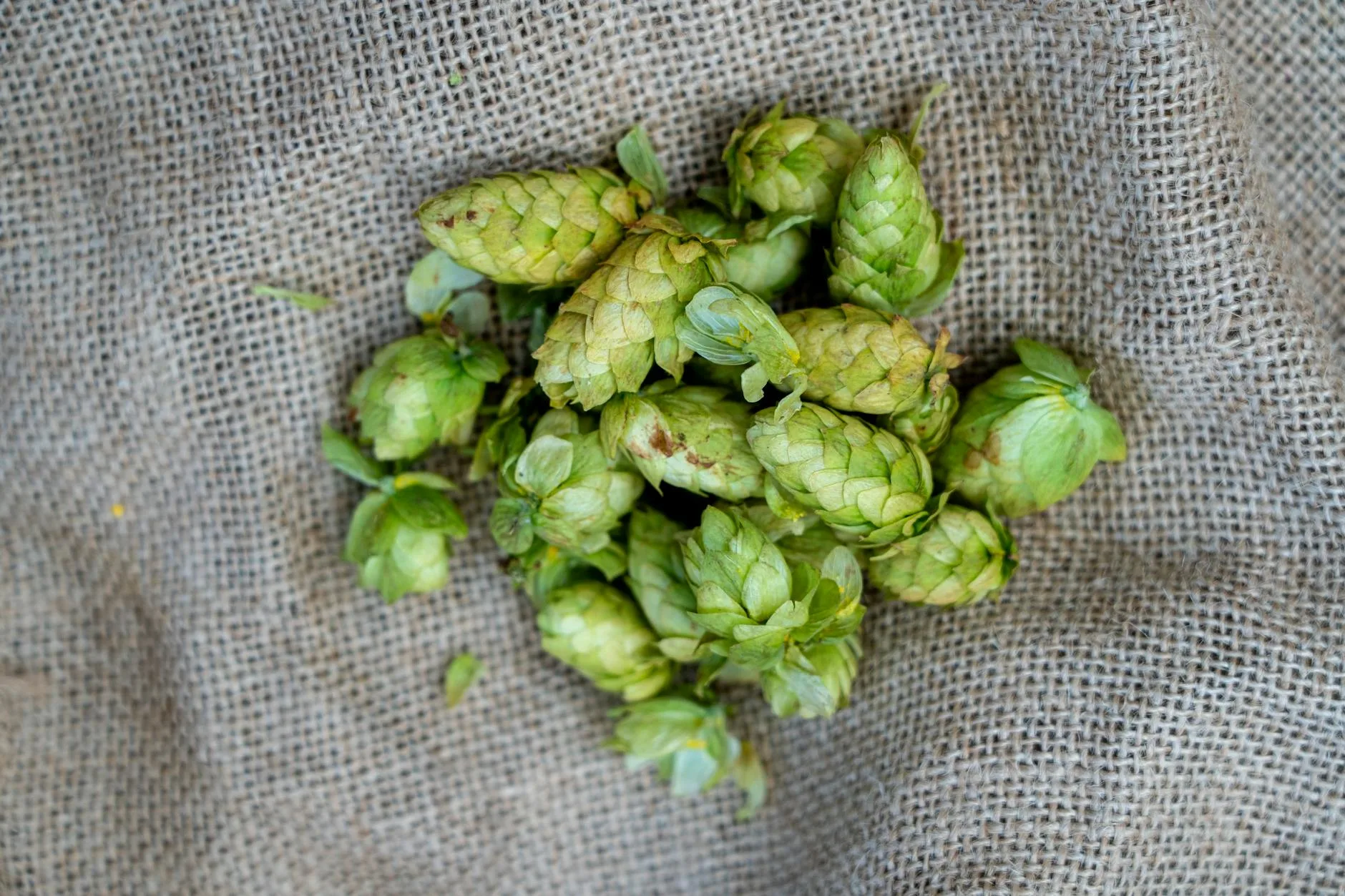
- 25g East Kent Goldings — 60 minutes (bittering). The classic English hop: floral, gently spicy, honeyed
- 15g Fuggles — 15 minutes (flavour). Earthy, woody, slightly minty. The other essential English hop
- 10g East Kent Goldings — 5 minutes (aroma). A late addition for floral nose
Yeast
- Safale S-04 — English ale yeast. Produces subtle fruity esters, flocculates well (drops clear quickly), and ferments cleanly at 18-20°C. The character it adds — a faint apple fruitiness — is part of what makes English bitters taste English
Other
- Half a Whirlfloc tablet at 15 minutes — for clarity
- Priming sugar for bottles — 3-4g per 500ml bottle (lower than pale ale; bitters have softer carbonation)
Ingredients in Detail
Malt Extract
The base. Light malt extract provides the fermentable sugars and the pale, biscuity foundation. English Maris Otter malt extract is ideal if your homebrew shop stocks it — it has a richer, more complex flavour than generic pale malt extract. About £15-18 for a 3kg can from The Malt Miller or BrewUK.
Crystal Malt 60L
Crystal malt adds body, sweetness, and colour without needing to mash. The 60L rating gives a deeper amber colour and more pronounced toffee character than the 40L used in pale ales. Steep it like tea — the sugars are already converted and dissolve directly into the wort.
Biscuit Malt
This is the secret ingredient. Biscuit malt (also called Victory malt) adds a warm, bread-crust, digestive-biscuit flavour that’s unmistakable in English bitters. Without it, the beer tastes like a generic amber ale. With it, it tastes like a pub bitter. Steep alongside the crystal malt.
English Hops
East Kent Goldings and Fuggles are the backbone of English brewing. They taste nothing like the bold citrus-tropical American hops you might be used to:
- East Kent Goldings — floral, honey-like, gentle spice. The primary English bittering and aroma hop since the 18th century
- Fuggles — earthy, woody, slightly grassy. Provides the “English countryside” character in the middle of the beer
If your homebrew shop doesn’t stock EKG or Fuggles, Challenger (citrusy-spicy) or Progress (gentle, fruity) are good substitutes. Avoid American hops entirely — they’ll change the character from English bitter to American amber.
For more on hop selection, our guide to homebrew hops explained covers every variety.
English Ale Yeast
Safale S-04 is the dry yeast standard for English ales. It’s not neutral — it adds a gentle fruitiness (apple, pear) and a slight mineral dryness that rounds out the malt character. It also flocculates well, meaning it drops to the bottom of the fermenter quickly, leaving clear beer above.
Liquid yeast alternative: Wyeast 1968 London ESB (if you can get it fresh). This produces even more fruity esters and leaves a slight residual sweetness. It’s the yeast behind Fuller’s beers. About £8-10 per pouch.
For a full comparison, our guide to brewing yeasts covers English, American, and Belgian strains.
Brew Day: Step by Step
Total time: about 2.5 hours. Very similar to the pale ale process, with smaller hop additions and different timing.
The Steep
- Heat 5 litres of water to 68-72°C
- Place crystal malt and biscuit malt in a muslin bag and steep for 30 minutes. Swirl occasionally. Keep the temperature below 77°C
- Remove the grain bag. Let it drip but don’t squeeze
The Boil
- Bring to a rolling boil
- Remove from heat, stir in the malt extract until fully dissolved. Never add extract over direct heat — it scorches on the bottom
- Return to boil, add 25g East Kent Goldings. Start the 60-minute timer
- At 45 minutes (15 minutes remaining): add 15g Fuggles and half a Whirlfloc tablet
- At 55 minutes (5 minutes remaining): add 10g East Kent Goldings
- At 60 minutes: kill the heat
Cooling and Pitching
- Cool the wort to 20°C as quickly as possible. Ice bath in the sink or a wort chiller if you have one
- Transfer to sanitised fermenter through a strainer
- Top up with cold water to 23 litres
- Take a hydrometer reading. Target OG: 1.038-1.042
- Sprinkle S-04 yeast over the surface. Seal, fit airlock
Fermentation and Conditioning
Temperature
S-04 works best at 18-20°C. Slightly cooler (17°C) produces a cleaner beer with fewer esters. Slightly warmer (21°C) produces more fruity character. Both are valid — it’s a stylistic preference. A spare room or kitchen corner usually holds this range without intervention.
Timeline
- Days 1-3: active fermentation. Krausen forms, airlock bubbles
- Days 4-7: fermentation slows. Krausen drops
- Days 7-10: check gravity. Target final gravity: 1.008-1.012. If stable for two consecutive days, fermentation is complete
- Days 10-14: condition in the fermenter. This “conditioning” phase lets the yeast clean up fermentation byproducts (diacetyl, acetaldehyde). English bitters benefit from patience here — an extra few days of conditioning produces a smoother, rounder beer
No Dry Hopping
Unlike the pale ale recipe, English bitters don’t traditionally use dry hops. The hop character comes from the kettle additions — late-addition Goldings provide enough floral aroma without the aggressive hop-forward punch of dry hopping. If you want a more hop-forward bitter, add 15g East Kent Goldings to the fermenter at day 7 — but it moves the beer away from traditional character.
Bottling or Cask Conditioning
Bottle Conditioning
- Sanitise bottles, caps, siphon. As always, sanitisation is everything
- Add priming sugar: 3-4g per 500ml bottle. This is deliberately less than the pale ale (which used 4-5g) — English bitters have softer, lower carbonation. If you use too much, the beer will be overly fizzy and lose its character
- Siphon beer into bottles, leaving 3cm headspace
- Cap and store at 18-20°C for 2 weeks
The Pour
English bitters deserve a gentle pour. Tilt the glass at 45° and pour slowly down the side, gradually levelling as the glass fills. You want a thin, creamy head — not the thick foam of a lager. Leave the last centimetre of yeast sediment in the bottle.
When to Drink
Best bitters peak at 3-4 weeks after bottling. Unlike hop-forward pale ales that fade quickly, the malt character of a bitter develops and rounds out over 2-6 weeks. At 4 weeks you’ll notice the toffee and biscuit notes coming into balance. At 6 weeks, even better. The beer holds well for 3-4 months, though the delicate hop aroma fades after 6-8 weeks.
Tasting Notes and What to Expect
When you crack open your first bottle, here’s what a well-made English bitter should taste like:
Appearance
Amber to deep gold, with moderate clarity. A slight haze is acceptable — this is bottle-conditioned real ale, not filtered lager. The head should be thin, off-white, and persistent.
Aroma
Biscuit and toffee from the malt, gentle floral notes from the Goldings, perhaps a faint fruity ester (apple or pear) from the S-04 yeast. Nothing should be aggressive or overwhelming — the aroma should make you want to sip, not smack you in the face.
Flavour
Malt leads — biscuity, lightly toffee’d, with a clean grain character. The hop bitterness balances the sweetness without dominating, finishing dry enough to pull you back for another sip. The Fuggles add a background earthiness that grounds the beer. The S-04 fruitiness should be subtle — a supporting character, not the lead.
Mouthfeel
Light to medium body. Soft carbonation. No harshness. The kind of beer you can drink three pints of and still want another.
If Something’s Off
- Too sweet, no bitterness — hops were underused or the boil was too short. Increase bittering hops next time
- Too bitter — reduce the 60-minute hop addition by 5g
- Thin and watery — the malt extract quantity was too low. Increase by 200-300g next time
- Apple or pear flavour too strong — fermentation was too warm. Aim for 18°C next time
For more on identifying and fixing off-flavours, our guide on choosing the right ingredients covers how each component affects the final taste.
Tweaking the Recipe
Ordinary Bitter (3.2-3.5%)
Reduce the malt extract to 2kg LME or 1.6kg DME. Keep the hops the same — you want full bitterness at lower strength. The result is a true session beer you can drink all afternoon.
ESB (Extra Special Bitter, 4.6-5.2%)
Increase malt extract to 3.2kg LME. Add 200g of amber malt extract for extra depth. Increase the 60-minute Goldings to 30g to balance the extra malt sweetness. This produces something closer to Fuller’s ESB — rich, complex, and dangerously drinkable for its strength.
Adding Character Malts
- Chocolate malt (50g) — adds a hint of roast and dark colour. Pushes the beer toward a mild ale
- Amber malt (200g) — adds nutty, toasty depth. Classic in London-style bitters
- Caramalt (150g) — lighter than crystal, adds honey-like sweetness
Water Adjustments
English bitters from different regions taste different partly because of the water. If you’re serious about replicating a style:
- Burton-on-Trent water — high in calcium sulphate (gypsum). Accentuates hop bitterness. Add 5g gypsum per 23 litres
- London water — high in calcium carbonate. Suits darker bitters and milds. Your London tap water may already be ideal
- Soft water — produces a rounder, less assertive bitter. Good for ordinary bitters
The Campaign for Real Ale has excellent resources on traditional British brewing methods if you want to go deeper.
Frequently Asked Questions
What’s the difference between bitter and real ale? Real ale is a broader category — any beer that undergoes secondary fermentation in the container from which it’s served (cask or bottle). Bitter is a style of real ale, alongside milds, porters, stouts, and others. All bitters can be real ale, but not all real ales are bitters.
Can I brew a bitter with all-grain instead of extract? Yes — all-grain bitters are simple single-infusion mashes. Replace the malt extract with 4kg Maris Otter pale malt, mash at 66-68°C for 60 minutes, sparge, and proceed with the same hop schedule. All-grain gives you more control over body and malt character. Our home brewing beginners guide covers the transition from extract to all-grain.
Why is my bitter too fizzy? You used too much priming sugar. English bitters should be lightly carbonated — 3-4g per 500ml bottle, not the 4-5g used for American-style ales. Overly fizzy bitter loses its smooth, drinkable character. For future batches, reduce the priming sugar. For current bottles, serve them slightly warmer (12-14°C) — warmer temperature releases more CO2 from solution.
What temperature should I serve an English bitter? Cellar temperature: 11-13°C. Not fridge cold (which numbs the malt flavour) and not room temperature (which makes the beer taste flat and lifeless). Take a bottle from the fridge and leave it on the counter for 15-20 minutes before opening. This is the temperature that pubs serve cask bitter.
How long does an English bitter last? Best drunk within 2-4 months of bottling. The malt character holds well, but the delicate hop aroma fades after 6-8 weeks. Unlike high-ABV beers that improve with age, session-strength bitters are meant to be drunk fresh. Brew small batches and drink them — that’s the English way.