There is a reason hefeweizen is the beer most homebrewers fall in love with. It is forgiving to make, fast to turn around, and when you get it right — that hazy golden pour with banana and clove on the nose — it tastes like you have been brewing for years rather than months. I brewed my first hefeweizen as my third ever batch, and it was the first beer that genuinely impressed someone who was not already being polite about my hobby.
In This Article
- What Makes a Hefeweizen a Hefeweizen
- The Ingredients You Need
- Equipment Checklist
- The Recipe: Five-Gallon Batch
- Brew Day: Step by Step
- Fermentation and Temperature Control
- Bottling Your Hefeweizen
- How to Pour a Hefeweizen Properly
- Troubleshooting Common Hefeweizen Problems
- Variations to Try
- Frequently Asked Questions
What Makes a Hefeweizen a Hefeweizen
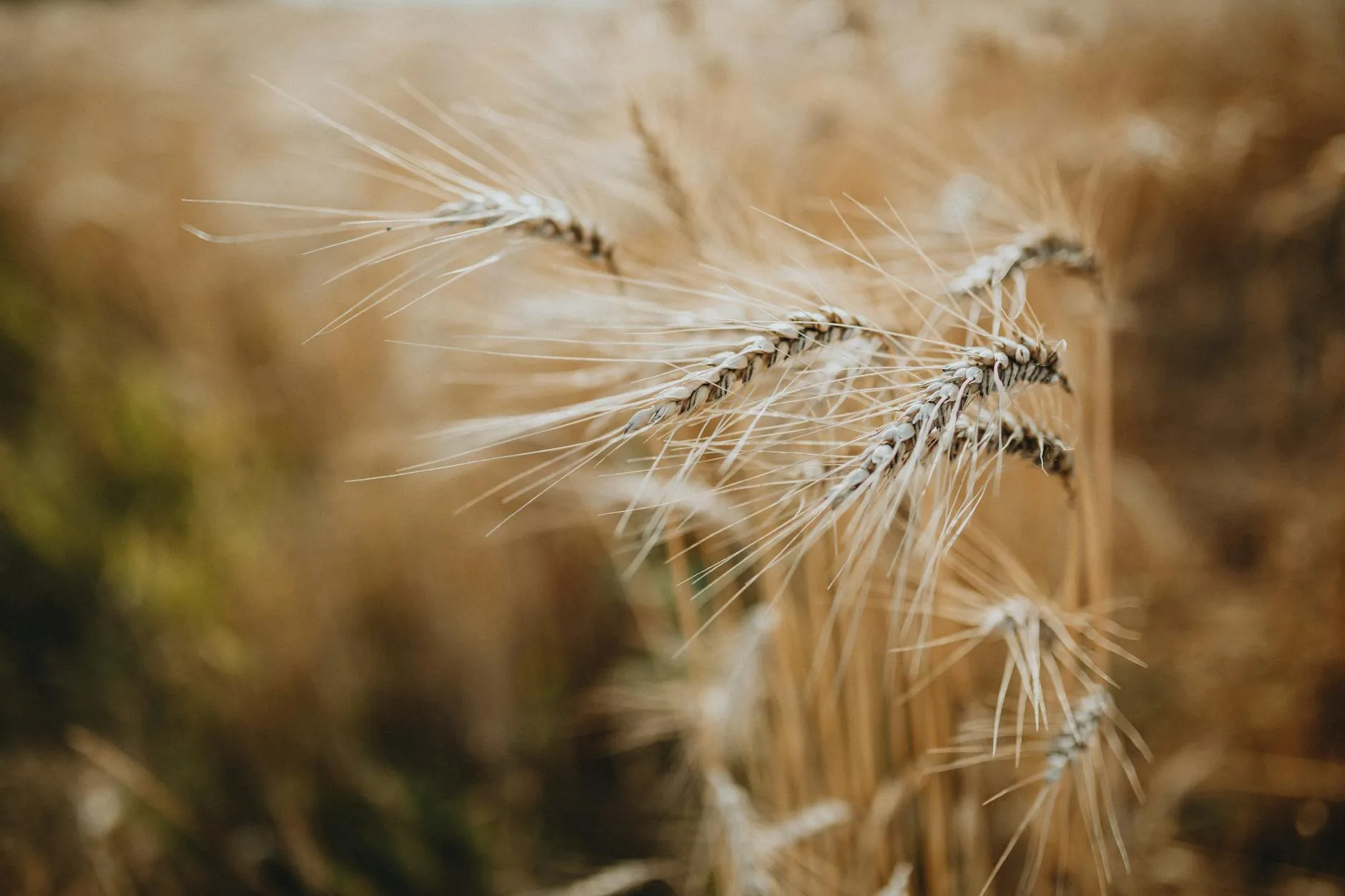
Hefeweizen is a traditional Bavarian wheat beer. “Hefe” means yeast, “weizen” means wheat. The style is defined by three things: at least 50% wheat malt, a specific yeast strain that produces banana and clove flavours, and a deliberately hazy, unfiltered appearance.
The Bavarian Purity Angle
Under the German Reinheitsgebot (beer purity law), Bavarian wheat beer must contain only water, malt, hops, and yeast. No spices, no fruit, no adjuncts. The banana and clove flavours that define hefeweizen come entirely from the yeast — not from added spices. This is what makes the style so interesting to brew: you are controlling flavour through fermentation conditions rather than ingredients.
What It Should Taste Like
A well-brewed hefeweizen balances banana (isoamyl acetate) and clove (4-vinyl guaiacol). The best examples have both in harmony, with a soft, bready wheat character underneath. It should be medium-bodied, highly carbonated, with a fluffy white head that clings to the glass. Bitterness is low — this is not a hoppy beer. The Campaign for Real Ale (CAMRA) lists wheat beer among the styles gaining popularity in UK pubs, and a good homebrew version can match or exceed commercial examples.
Why It Is Perfect for Homebrewers
Hefeweizen is one of the most forgiving styles to brew. The haze means you do not need to worry about clarity. The low hop character means you do not need expensive speciality hops. The yeast does most of the heavy lifting flavour-wise. And the turnaround is fast — you can be drinking it three weeks after brew day.
The Ingredients You Need
Malt
- Wheat malt: 2.5kg — provides the characteristic soft, bready body and contributes to head retention. Use German wheat malt if possible (Weyermann is the benchmark)
- Pilsner malt: 2kg — the base malt. German Pilsner malt is ideal but any quality Pilsner malt works
- Munich malt (optional): 200g — adds a slightly deeper malt character. Not traditional but some brewers prefer it
The 50:50 or 60:40 wheat-to-barley ratio is traditional. Going above 60% wheat makes lautering (draining the mash) difficult without rice hulls.
Hops
- Hallertauer Mittelfruh or Tettnanger: 25g — traditional German noble hops. Add at 60 minutes for a gentle bitterness (aim for 12-15 IBU). No late hop additions — hefeweizen is not about the hops
- Any German noble hop variety works. Do not use American or English hops — they bring the wrong character
Yeast
This is the most important ingredient in a hefeweizen. The yeast produces the banana and clove flavours that define the style.
- Safbrew WB-06 — dry yeast, reliable, leans towards banana. About £3-4 per sachet from homebrew shops
- Wyeast 3068 Weihenstephan — liquid yeast, the benchmark hefeweizen strain. About £7-8. Produces the best balance of banana and clove but needs a yeast starter for best results
- White Labs WLP300 — liquid yeast alternative to Wyeast 3068, similar profile
If this is your first hefeweizen, use WB-06. It is forgiving and produces an excellent beer. If you have experience with liquid yeast starters, 3068 is the gold standard. For a deeper dive into yeast selection, see our guide on brewing yeasts explained.
Water
Hefeweizen works with most UK tap water. If your water is very hard (common in London and the south-east), softer water produces a smoother result. A Campden tablet (sodium metabisulphite) removes chlorine and chloramine — drop half a tablet into your brewing water an hour before mashing.
Rice Hulls (Recommended)
Rice hulls add no flavour but prevent the mash from clogging during lautering. Wheat malt is high in protein and creates a sticky, gummy mash that can turn into concrete if you are not careful. Add 200-300g of rice hulls to the mash and save yourself an hour of frustration. They cost about £2-3 from any homebrew supplier.
Equipment Checklist
You need the same equipment as any all-grain brew day. If you are still using extract kits, our beginners’ guide to home brewing covers the basics of all-grain brewing.
- Mash tun (cool box or dedicated vessel) — 25+ litre capacity
- Boil kettle — 30+ litres
- Fermenter — 25-litre bucket or better bottles/carboy
- Thermometer — accurate to 0.5 degrees Celsius
- Hydrometer or refractometer — for measuring original and final gravity
- Bottling bucket and bottles (or a keg setup)
- Sanitiser — Star San or sodium percarbonate
- Large spoon or paddle — for stirring the mash
The Recipe: Five-Gallon Batch
Grain Bill
- Wheat malt: 2.5kg (53%)
- Pilsner malt: 2.0kg (43%)
- Munich malt: 200g (4%)
- Rice hulls: 250g (not counted in grain bill)
Hops
- Hallertauer Mittelfruh: 25g at 60 minutes (aim for 13 IBU)
Yeast
- Safbrew WB-06 (1 sachet) or Wyeast 3068 (with starter)
Target Numbers
- Original gravity: 1.048-1.052
- Final gravity: 1.010-1.014
- ABV: 4.8-5.2%
- IBU: 12-15
- Colour: 6-8 EBC (pale gold to straw)
Brew Day: Step by Step
1. Heat Your Strike Water
Heat 14 litres of water to about 72 degrees Celsius. When you add the grain, the temperature will drop to your target mash temperature of 64-66 degrees.
2. Mash In
Add the grains and rice hulls to the mash tun, then pour in the heated water while stirring. Mix thoroughly to avoid dough balls — clumps of dry grain that do not convert properly. Target a mash temperature of 64-66 degrees and hold for 60 minutes.
3. Temperature Matters for Flavour
Mashing at 64 degrees produces a drier, more fermentable wort — lighter body and slightly more alcohol. Mashing at 66 degrees produces a fuller, sweeter beer with more body. For a classic hefeweizen, 65 degrees is the sweet spot.
4. Vorlauf and Lauter
Recirculate the first 2-3 litres of wort back through the grain bed until it runs clear (this is vorlaufing). Then drain the wort slowly into your boil kettle. The rice hulls will help enormously here — without them, wheat mashes can stick and refuse to drain.
5. Sparge
Rinse the grain bed with 12 litres of water at 76-78 degrees to extract remaining sugars. Do not exceed 78 degrees or you will extract tannins that taste harsh. Collect about 25 litres total in your boil kettle. For a related angle, see our Best Beer Recipe Kits 2026 UK: IPA, Stout & Lager guide.
6. Boil
Bring the wort to a rolling boil. Add hops at the 60-minute mark (start of the boil). Boil for 60 minutes total. Watch for boilovers in the first 10 minutes — wheat wort foams aggressively. Having a spray bottle of cold water handy can knock down foam quickly.
7. Cool
Cool the wort to 18-20 degrees as quickly as possible. An immersion wort chiller is ideal — plunge it in during the last 15 minutes of the boil to sterilise it, then run cold water through it after the boil ends. Without a chiller, an ice bath in the sink works but takes longer. If you are looking to upgrade your cooling setup, check our wort chiller guide.
8. Transfer and Pitch Yeast
Transfer the cooled wort to your sanitised fermenter. Take a hydrometer reading (your original gravity). Pitch the yeast — if using dry yeast, sprinkle it on the surface and swirl gently. If using liquid yeast, pour in the starter.
Fermentation and Temperature Control
This is where hefeweizen gets interesting. The fermentation temperature controls the balance between banana and clove flavours.
The Temperature-Flavour Relationship
- Lower temperatures (16-18 degrees): more clove, less banana. Spicier, more complex flavour
- Higher temperatures (20-24 degrees): more banana, less clove. Fruitier, softer flavour
- Sweet spot for balanced flavour: 18-20 degrees
Most UK homes sit at about 18-20 degrees in spring and autumn, which is convenient. In summer, fermentation temperatures can climb above 24 degrees, pushing the banana character too far — the beer starts tasting like banana milkshake rather than wheat beer.
Underpitching for More Banana
Here is a technique the commercial breweries use: slightly underpitching the yeast stresses it, which increases ester production (banana flavour). If you want a banana-forward hefeweizen, use half a sachet of WB-06 instead of a full one. This is the opposite of most brewing advice, which says to pitch generously — but hefeweizen is the exception.
Fermentation Timeline
- Days 1-3: Active fermentation. The airlock should be bubbling steadily. Krausen (foam on top of the wort) will form — wheat beers produce enormous krausen, sometimes enough to blow off through the airlock. Use a blow-off tube instead of an airlock for the first 48 hours
- Days 4-7: Fermentation slows. The krausen drops
- Days 7-10: Take a gravity reading. If it matches your target final gravity (1.010-1.014) on consecutive days, fermentation is complete
- Total fermentation: 7-14 days depending on temperature
Bottling Your Hefeweizen
Priming Sugar
Hefeweizen should be highly carbonated — about 3.0-3.5 volumes of CO2, compared to 2.0-2.5 for most ales. Use 8-9g of table sugar per litre (about 190-210g for a 23-litre batch). This is more sugar than you would use for a pale ale or bitter, and it is intentional.
Bottle Conditioning
Transfer the beer to a sanitised bottling bucket, add the dissolved priming sugar, and fill your bottles. Cap immediately. Store at 18-20 degrees for 2 weeks to carbonate, then chill and drink.
When Is It Ready?
Hefeweizen is best drunk fresh — within 4-8 weeks of bottling. Unlike IPAs and stouts, it does not improve with age. The banana and clove flavours fade over time, and the yeast character changes. Brew it, drink it, brew more. For a full guide to the bottling process, see our bottling equipment guide which covers both bottling and kegging options.
How to Pour a Hefeweizen Properly
The Swirl Pour
Hefeweizen is served with yeast in suspension — the cloudiness is the point. But the yeast settles to the bottom of the bottle during conditioning. To get the classic cloudy pour:
- Pour two-thirds of the bottle slowly into a tilted glass
- Stop pouring and swirl the remaining third of the beer in the bottle to resuspend the yeast
- Pour the yeast-rich remainder into the glass
- You should end up with a hazy, golden beer topped with a thick white head
The Glass
Traditional Bavarian weizen glasses are tall, curved, and hold 500ml. The shape supports the fluffy head and shows off the hazy colour. Any tall glass works, but the traditional shape is worth buying — a set of two costs about £10-15 from Amazon UK.
Troubleshooting Common Hefeweizen Problems
Too Much Banana
Fermentation temperature was too high. Next time, ferment at 17-18 degrees. If your house is warm, find a cooler spot — a garage, cellar, or even a large tub of water with a wet towel draped over the fermenter (evaporative cooling).
Too Much Clove, Not Enough Banana
Fermentation temperature was too low, or you overpitched the yeast. Next time, ferment at 20-22 degrees and consider underpitching slightly.
No Banana or Clove Flavour at All
Wrong yeast strain. Some neutral ale yeasts produce zero hefeweizen character. Make sure you are using a dedicated wheat beer yeast — WB-06, 3068, or WLP300.
Stuck Sparge
The mash clogged during lautering. Almost always caused by skipping the rice hulls. Add 250-300g of rice hulls next time and stir them evenly through the grain bed before sparging.
Beer Is Too Thin
Mash temperature was too low. Below 62 degrees, the beta-amylase enzymes create a very fermentable wort that finishes dry and watery. Aim for 65-66 degrees for a fuller body.
Harsh or Astringent Aftertaste
Sparge water was too hot (above 78 degrees) or you squeezed the grain bag. Both extract tannins from the grain husks. Monitor sparge temperature carefully and let gravity do the work during lautering.
Variations to Try
Dunkelweizen (Dark Wheat Beer)
Add 300g of Munich malt and 100g of Carafa Special I (dehusked) to the grain bill. This produces a darker, more malt-forward wheat beer with notes of caramel and toasted bread, while keeping the banana and clove character. Same yeast, same process.
Kristallweizen (Clear Wheat Beer)
Brew a standard hefeweizen, then cold-crash at 2-4 degrees for 48 hours before bottling. The yeast drops out and the beer pours crystal clear. You lose some of the yeast character but gain a crisp, refreshing summer beer.
Fruit Wheat Beer
Add 1-2kg of frozen fruit (raspberries, peaches, or passion fruit) to the fermenter after primary fermentation slows (around day 5). The fruit ferments out over the following week, adding flavour without excessive sweetness. Belgian and American wheat beers use fruit regularly — it is less traditional for Bavarian hefeweizen but makes an excellent summer beer.
Hoppy Wheat (American Style)
Add 30-40g of Citra or Mosaic hops at flameout or as a dry hop. This pushes the beer away from the Bavarian tradition towards an American wheat ale, but the combination of tropical hops with banana yeast character is surprisingly good.
Frequently Asked Questions
Can I brew a hefeweizen with extract instead of all-grain? Yes. Use a wheat liquid malt extract (LME) — about 3kg for a 23-litre batch. Extract hefeweizens turn out well because the flavour profile depends more on the yeast than the grain. Bavarian wheat LME from brands like Briess or Muntons is available from most UK homebrew suppliers.
Why does my hefeweizen taste like banana milkshake? Fermentation temperature was too high. Above 24 degrees, wheat beer yeast produces excessive isoamyl acetate (banana ester). Ferment at 18-20 degrees for a balanced flavour. If your house is warm, use a water bath or find a cooler room for the fermenter.
Do I need to do a protein rest for a wheat beer? With modern well-modified malts, a protein rest (holding the mash at 50-55 degrees before raising to saccharification temperature) is unnecessary. A single infusion mash at 65 degrees works perfectly. Protein rests can actually reduce head retention in modern malts.
How long does hefeweizen last in the bottle? Hefeweizen is best within 4-8 weeks of bottling. The characteristic banana and clove flavours fade after about 3 months, and the yeast sediment can develop off-flavours if left too long. Brew small batches and drink them fresh for the best experience.
What food goes best with hefeweizen? Hefeweizen pairs brilliantly with white sausage (Weisswurst), pretzels, and mustard — the traditional Bavarian combination. It also works well with grilled chicken, fish and chips, Thai food, and light salads. The banana and clove flavours complement both savoury and mildly spicy dishes.