Homebrewing gluten-free beer in the UK has never been more approachable, with improved access to ingredients and clear guidance for those needing to avoid gluten. If you’re brewing for yourself, a family member, or friends with coeliac disease or a gluten intolerance, making gluten free beer homebrew is both rewarding and creative. This guide covers every essential step, from recipe design and ingredient sourcing to cleaning, contamination avoidance, and troubleshooting—so you can craft delicious, safe gluten-free beer at home.
In This Article
- What is Gluten-Free Beer?
- UK Rules & Labelling for Gluten-Free Beer
- Choosing Gluten-Free Ingredients
- Essential Equipment for Gluten-Free Brewing
- Step-by-Step Gluten Free Beer Homebrew Process
- Tips for Successful Gluten-Free Brewing
- Common Gluten-Free Beer Styles
- Avoiding Contamination & Cross-Contact
- Taste Tweaks and Troubleshooting
- Serving and Enjoying Your Gluten-Free Beer
- Frequently Asked Questions
What is Gluten-Free Beer?
Gluten-free beer is brewed without ingredients derived from wheat, barley, rye, or standard oats (unless the oats are certified gluten-free). Instead, it uses naturally gluten-free grains such as sorghum, buckwheat, rice, millet, maize, or quinoa. For those with coeliac disease or gluten intolerance, gluten-free beer offers a safe alternative that doesn’t compromise on the craft brewing experience.
It’s essential to distinguish between “gluten-free” and “gluten-reduced” beers. In the UK, “gluten-free” means the product contains less than 20 parts per million (ppm) of gluten, as defined by UK and European regulations. Gluten-reduced beers—brewed with traditional grains but treated with enzymes—are not classed as gluten-free in the UK and may not be safe for those with coeliac disease. For more on safe alcohol choices, see Coeliac UK’s alcohol guidance.
UK Rules & Labelling for Gluten-Free Beer
The UK has strict labelling standards for gluten-free foods and drinks, including beer. According to the Food Standards Agency, only beers with less than 20ppm of gluten can be labelled “gluten-free”. Any beer brewed with wheat, barley, or rye—no matter how treated—cannot be sold as gluten-free unless it meets this threshold and is validated as safe for those with coeliac disease.
Key Points for Homebrewers
- Always check the source and handling of your ingredients.
- Use ingredients certified gluten-free and keep packaging for reference.
- Keep meticulous records if sharing or selling your beer, including batch notes and ingredient certifications.
Many UK homebrew clubs are now more aware of gluten-free brewing, but if you’re entering competitions, double-check their rules. Clear labelling and transparent ingredient lists are essential when sharing bottles with friends or at events.
Choosing Gluten-Free Ingredients
Designing a gluten free beer homebrew recipe starts with careful selection of every ingredient, as even trace gluten can cause serious reactions in sensitive drinkers. Careful sourcing and recipe planning are fundamental.
Gluten-Free Grains and Malt Extracts
- Sorghum Syrup: The most widely used base for gluten-free extract brewing in the UK. It provides fermentable sugars and a light, slightly tart flavour. Available from specialist homebrew suppliers.
- Rice and Maize: Rice syrup solids or flaked maize contribute fermentable sugars and a crisp, clean body. These are ideal for lagers and lighter ales.
- Buckwheat and Millet: Both can be malted and mashed for all-grain gluten-free brewing. Buckwheat imparts a nutty, earthy flavour, while millet offers a more neutral, slightly sweet profile. These grains are less common in the UK but increasingly available.
- Quinoa and Amaranth: Used for experimentation and adding complexity to the grain bill. Quinoa gives a slightly grassy note and improves mouthfeel.
- Gluten-Free Oats: Certified gluten-free oats can be used for body and head retention, but always check packaging for cross-contact warnings.
Hops
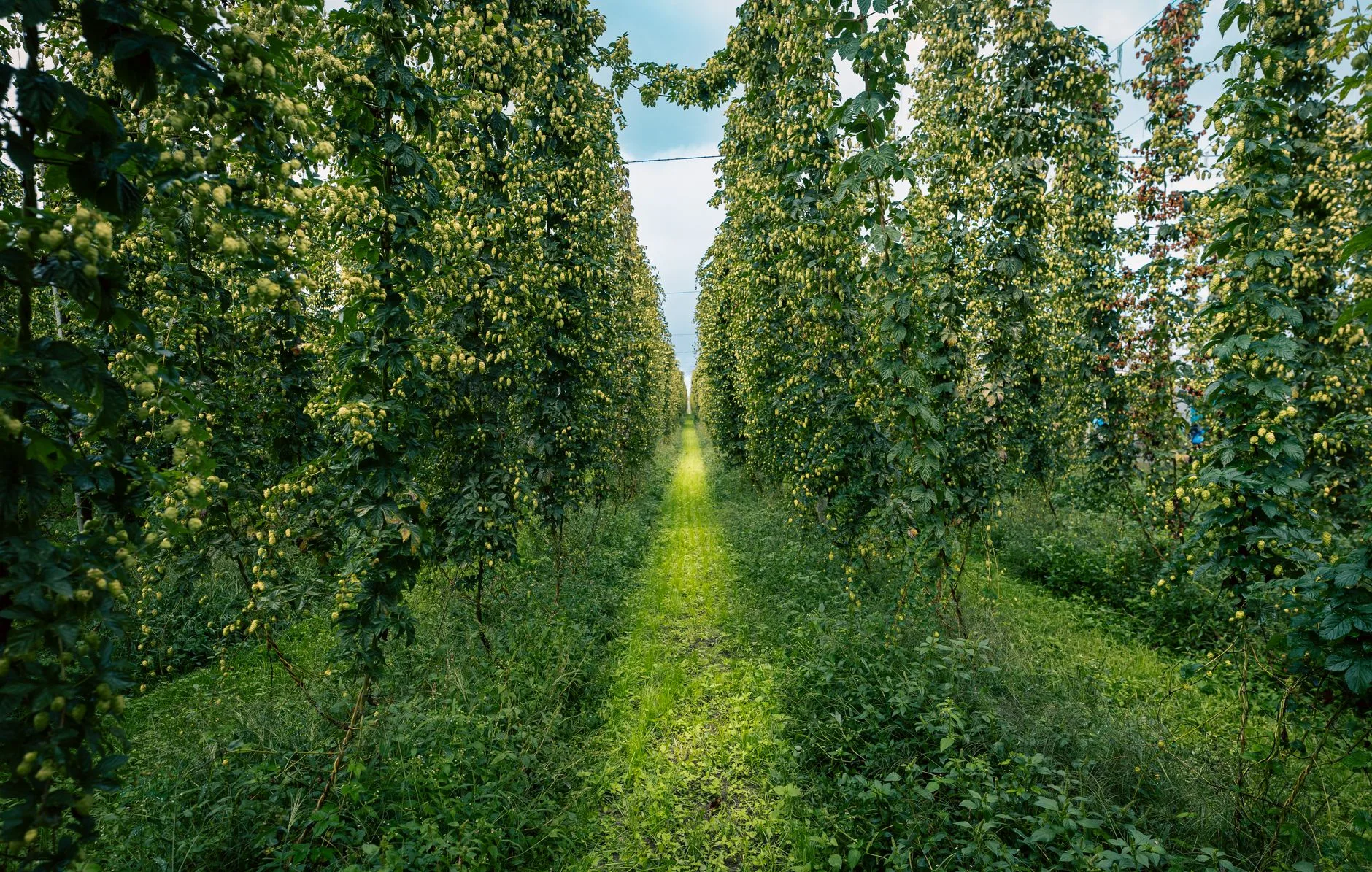
All hops are naturally gluten-free. Choose classic British varieties (Fuggles, East Kent Goldings, Challenger, Bramling Cross) for traditional styles, or experiment with New World hops (Citra, Mosaic, Galaxy) for modern pale ales and IPAs. Pellet or whole-leaf hops are both suitable.
Yeast
Most brewing yeasts are gluten-free, but always check packaging for any warnings about gluten or wheat-based carriers. Liquid yeasts, dried yeasts, and specialist gluten-free strains are all available. Safale and Mangrove Jack’s have gluten-free options.
Adjuncts and Additives
- Sugar: Cane, beet, or rice-based sugars are gluten-free and used to lighten body or boost ABV.
- Maltodextrin: Adds body and mouthfeel. Ensure it’s certified gluten-free.
- Fruit, Spices, and Honey: Naturally gluten-free, but check for cross-contamination in processing.
- Irish Moss or Whirlfloc: Used for clarity and head retention. Most brands are gluten-free but verify before use.
Ingredient Sourcing in the UK
- The Malt Miller and BrewUK both stock gluten-free malts, syrups, and yeast.
- Major supermarkets offer gluten-free dextrose, sugar, and some adjuncts.
- For specialist grains (millet, buckwheat, quinoa), try health food shops or order online from reputable gluten-free suppliers.
For more guidance on selecting the right brewing kit, see How to Choose the Right Beer Brewing.
Recipe Design: Balancing Flavour, Body, and Clarity
Gluten-free grains behave differently than barley or wheat. Here are core considerations for recipe design:
- Base Grain Selection: Sorghum syrup is the easiest for extract brewing. For all-grain, blend buckwheat, millet, and rice for complexity.
- Body and Mouthfeel: Gluten-free beers can be thin. Add maltodextrin (30–60g per 23L batch) or certified gluten-free oats for a fuller mouthfeel.
- Head Retention: Gluten-free beers struggle with foam. Use Irish moss or Whirlfloc in the boil, and consider a small addition of honey or sugar for better carbonation.
- Hop Schedule: Because gluten-free bases are milder, late hop additions and dry hopping can help impart aroma and flavour.
- Adjuncts: Fruit purees, spices, and herbs can add depth, but always ensure they’re gluten-free and not processed in facilities handling gluten grains.
If you’re new to gluten-free brewing, start with a simple pale ale using sorghum syrup, a single hop variety, and a clean ale yeast. As you gain confidence, experiment with grain blends and adjuncts.
Essential Equipment for Gluten-Free Brewing
While most standard homebrew equipment can be used for gluten-free beer, preventing cross-contact is crucial. If you also brew regular beer, consider investing in a dedicated set for gluten-free batches.
Basic Equipment List
- Fermenter (plastic or glass): Mark it “GF” and never use for barley-based beers.
- Brewing Kettle (minimum 15L): Stainless steel is best for thorough cleaning.
- Stirring Spoon (preferably stainless steel): Mark for gluten-free use.
- Sanitiser (no-rinse, food-safe): Vital for all equipment and surfaces.
- Siphon or Bottling Wand: Use only for gluten-free batches.
- Bottles or Kegging System: Clean thoroughly or dedicate to gluten-free use.
- Hydrometer and Thermometer: For monitoring fermentation.
- Wort Chiller: Optional, but speeds up cooling and reduces risk of infection.
Label all gluten-free gear clearly and store it away from regular brewing equipment. Even small amounts of gluten residue can cause reactions.
For a detailed guide to keeping your kit safe and spotless, see How to Clean and Sanitise Homebrew Equipment.
Cleaning and Sanitising for Gluten-Free Brewing
- Initial Cleaning: Wash all equipment with hot water and a non-scratch brush. Use a dedicated sponge or cloth for gluten-free gear.
- Deep Cleaning: Use an oxygen-based cleaner or PBW to remove organic residues. Pay special attention to fermenters, taps, and bottling wands.
- Sanitising: After cleaning, apply a no-rinse sanitiser (such as Star San or Chemipro San) to all surfaces that will contact your beer.
- Storage: Store cleaned equipment in a sealed, dry area away from gluten-containing ingredients.
If you’ve ever used a piece of equipment for barley, wheat, or rye, consider retiring it from gluten-free use or replacing it. For more cleaning tips, see How to Clean and Sanitise Homebrew Equipment.
Step-by-Step Gluten Free Beer Homebrew Process
Here’s a practical guide for brewing a 23L batch of gluten-free beer at home, suitable for both extract and all-grain methods.
1. Prepare and Sanitise
- Clean and sanitise all equipment thoroughly. Any trace of gluten can contaminate your batch and make it unsafe.
- Set up your brewing area, ensuring all surfaces are clean and free from flour or grain dust.
- Measure out your ingredients and keep them covered until use.
2. Brew the Wort
Extract Method
- Fill your kettle with 11L of water.
- Heat to 70°C, then add 3–4kg sorghum syrup and any rice syrup solids or sugar.
- Stir until fully dissolved. Bring to a gentle boil.
- Add bittering hops (as per your recipe) and start the timer for a 60-minute boil.
- At 15 minutes from the end, add aroma hops and any Irish moss or Whirlfloc.
- Optional: Add fruit, spices, or citrus peel in the final 10 minutes for extra flavour.
All-Grain Method
- Mill your gluten-free grains (e.g., 2kg millet, 1kg buckwheat, 1kg rice).
- Mash in at 65–68°C for 60–90 minutes, using a high liquor-to-grist ratio. Gluten-free grains can be sticky—stir frequently.
- Sparge with hot water (78°C) until you collect enough wort for your batch.
- Proceed as per extract method: boil, add hops, and adjuncts.
3. Chill and Transfer
- Cool the wort rapidly to below 25°C using a wort chiller or an ice bath. Fast chilling reduces infection risk and improves clarity.
- Transfer to your sanitised fermenter, topping up to 23L with cold, pre-boiled water if needed.
- Take a hydrometer reading to record original gravity (OG).
4. Pitch Yeast and Ferment
- Sprinkle in your yeast or rehydrate according to the packet instructions.
- Seal the fermenter and fit an airlock.
- Ferment at 18–22°C for 10–14 days, until bubbling stops and a stable final gravity (FG) is reached.
- Optional: For extra clarity, cold-crash the fermenter for 2–3 days at 2–4°C before bottling.
5. Bottle or Keg
- Prepare bottles or keg by cleaning and sanitising thoroughly.
- Add priming sugar (dissolved in a little boiled water) to the bottling bucket for carbonation. For 23L, use about 120g sugar for ales, 160g for lagers.
- Siphon beer gently to avoid splashing and oxidation.
- Cap bottles or seal the keg.
- Condition for at least 2 weeks at room temperature. Gluten-free beers often benefit from longer maturation (up to 4–6 weeks) for flavour development.
For advice on easy kegging, see How to Keg Homebrew: A Beginner’s Guide.
Tips for Successful Gluten-Free Brewing
Brewing gluten free beer homebrew has its quirks. Here are some practical tips from experienced UK homebrewers:
- Mouthfeel: Gluten-free beers can taste thin. Add maltodextrin (certified gluten-free) or a small amount of gluten-free oats in the mash for a better body.
- Head Retention: Use Irish moss or Whirlfloc in the boil, and ensure bottles and glasses are spotless. Any grease or detergent residue will kill foam.
- Fermentation: Gluten-free worts can ferment quickly. Monitor temperature and gravity to avoid off-flavours and incomplete fermentation.
- Flavour: Use fresh hops and yeast. Gluten-free bases are mild, so late hop additions, dry hopping, or fruit purees can add depth.
- Clarity: Gluten-free beers often clear well, but a little haze is normal and not a fault.
Adjusting for British Palates
- British ales usually have a maltier profile. Try using buckwheat or millet malt for a richer, more traditional base.
- Traditional British hops (like Challenger or Bramling Cross) work well in bitters and milds.
- For a classic British session ale, blend sorghum syrup with millet and a touch of caramelised buckwheat.
Troubleshooting Common Mistakes
- Under-attenuated beer is common—make sure your yeast is healthy and fermentation temperatures are steady.
- Off-flavours (solvent, medicinal, sour) are usually due to infection or stressed yeast—review your cleaning and fermentation process.
- If your beer pours flat, check carbonation levels and ensure bottles are clean.
- For off-flavour diagnosis, see Beer Off-Flavours: How to Identify and Fix Them.
Common Gluten-Free Beer Styles
Many classic beer styles can be adapted for gluten-free brewing. Here’s a selection that work well:
- Pale Ale: Crisp, hoppy, and refreshing. Sorghum syrup and UK hops (Fuggles, EKG) are a reliable base.
- Stout: Use roasted buckwheat or dark millet malt for coffee and chocolate notes. Add lactose (certified gluten-free) for sweetness if desired.
- Lager: Rice or maize creates a clean, light-bodied lager. Use a neutral lager yeast and ferment cool.
- Belgian-style: Add candi sugar, orange peel, and coriander for complexity. Use a Belgian yeast strain.
- Fruit Beer: Add fruit purees in the secondary fermenter for a summer ale.
If you’re interested in other naturally gluten-free brewing, try country wines—see Country Wine Recipes: Elderflower, Blackberry & More.
Avoiding Contamination & Cross-Contact
Cross-contact with gluten is a major concern for those with coeliac disease or allergies. Here’s how to reduce risks in your gluten free beer homebrew:
- Dedicated Equipment: Keep a separate set for gluten-free brewing. Mark all items clearly and store them away from regular brewing gear.
- Thorough Cleaning: Even tiny traces of gluten can cause reactions. Follow How to Clean and Sanitise Homebrew Equipment meticulously.
- Ingredient Storage: Store gluten-free ingredients in sealed containers, away from any gluten-containing grains or flours.
- Work Surfaces: Clean all surfaces before brewing. Avoid brewing in kitchens where gluten flours are regularly used, or clean thoroughly beforehand.
- Personal Hygiene: Wash hands and change clothes if you’ve handled gluten that day.
Brewing for Others
Always inform anyone consuming your homebrew about your process and ingredients. For events, provide a full ingredient list and brewing notes. If sharing with coeliac or gluten-sensitive friends, label bottles clearly and provide your ingredient list. Attaching a recipe card to each bottle is reassuring and educational.
For more on safe food handling, see Food Standards Agency allergy and intolerance guidance.
Taste Tweaks and Troubleshooting
Gluten-free beer sometimes needs a little extra attention to reach its full potential. Here’s what works:
- If your beer is too dry or thin, add a small amount of gluten-free oats or maltodextrin in your next batch.
- For better head retention, ensure your bottles and glasses are spotless—any grease kills foam.
- If you get a medicinal or sour note, it’s often due to wild yeast—review your cleaning and sanitising process.
- If the beer is cloudy, allow more time for conditioning or try cold-crashing before bottling.
- For stubborn off-flavours, see Beer Off-Flavours: How to Identify and Fix Them.
Serving and Enjoying Your Gluten-Free Beer
Once your gluten-free beer is ready, serve it chilled (6–10°C for most styles) and pour gently to leave sediment behind. Gluten-free beers often clear beautifully, but a little haze is normal for some styles.
Food Pairings
- Lighter lagers pair well with grilled fish, chicken, or salads.
- Stouts and porters are excellent with rich, slow-cooked dishes or chocolate desserts.
- Belgian-style ales go well with cheese and charcuterie.
Sharing Safely
If you’re sharing your gluten free beer homebrew with others, especially those with coeliac disease or severe gluten intolerance, label bottles clearly and provide your full ingredient list. Attaching a recipe card to each bottle is a thoughtful touch.
Frequently Asked Questions
Is gluten-free beer safe for people with coeliac disease?
Only beers brewed entirely with gluten-free grains and verified to contain less than 20ppm of gluten are safe for people with coeliac disease in the UK.
Can I brew gluten-free beer with regular homebrew equipment?
Yes, but it’s safest to use equipment that has never been in contact with gluten grains, or ensure all surfaces are meticulously cleaned and sanitised.
What grains can I use for gluten-free beer homebrew?
You can use sorghum, buckwheat, millet, rice, maize, and quinoa. Always ensure they’re certified gluten-free.
How does gluten-free beer taste compared to normal beer?
Modern gluten-free beers can be very close in taste to regular beer, especially with the right recipe and fresh ingredients. Some styles (like lagers and pale ales) translate better than others.
Where can I buy gluten-free brewing ingredients in the UK?
Specialist homebrew shops such as The Malt Miller and BrewUK stock gluten-free malts and extracts. Some larger supermarkets carry gluten-free sugar and adjuncts.
Can I make gluten-free cider or wine at home?
Yes! Cider and country wines (like elderflower or blackberry) are naturally gluten-free. See our guide to Country Wine Recipes: Elderflower, Blackberry & More for ideas.