There’s a hedgerow about ten minutes from my house that drips with elderflower every June. For years I walked past it thinking “someone should do something with that.” Then one summer I actually did — picked a carrier bag full, followed a recipe from an old Hugh Fearnley-Whittingstall book, and six months later opened a bottle of elderflower wine that was better than most shop-bought whites I’d tried. That first batch got me hooked, and I’ve been making country wines from foraged and garden fruit ever since.
Country wine is one of the most rewarding parts of home brewing. Unlike grape wine, which demands specific (and expensive) varieties, country wine uses whatever’s growing around you — elderflowers, blackberries, parsnips, rhubarb, even dandelions. It costs almost nothing to make, the process is forgiving, and the results range from perfectly drinkable to genuinely impressive.
In This Article
- What Is Country Wine?
- Essential Equipment for Country Wine Making
- Core Ingredients Every Country Wine Needs
- Elderflower Wine Recipe
- Blackberry Wine Recipe
- Rhubarb Wine Recipe
- Parsnip Wine Recipe
- Dandelion Wine Recipe
- Troubleshooting Common Country Wine Problems
- When to Pick: A Seasonal Foraging Calendar
- Frequently Asked Questions
What Is Country Wine?
Country wine is any wine made from fruit, flowers, vegetables, or herbs rather than grapes. It’s an old British tradition — your grandparents probably made it, or at least knew someone who did. Before cheap supermarket wine flooded the UK in the 1970s, most villages had at least one person producing parsnip wine in their shed.
A Bit of History
Country wine making in Britain goes back centuries. The Royal Horticultural Society notes that cottage gardens historically served as sources for wine ingredients as much as for food. Elderflower, elderberry, and blackberry wines were household staples, made with whatever the season offered and sweetened with whatever sugar was available.
How It Differs from Grape Wine
The key difference is pectin. Fruits like blackberries and rhubarb contain far more pectin than grapes, which can cause haze if not treated. You’ll need pectolase (pectin enzyme) in most country wine recipes — grape wine rarely needs it. Country wines also tend to ferment more vigorously in the first few days, so leave plenty of headroom in your demijohn.
The alcohol content is typically 10-14% ABV, similar to commercial wine. Some country wines — particularly parsnip and elderberry — can reach 15-16% with extra sugar, though they take longer to mature.
Essential Equipment for Country Wine Making
You don’t need much to get started, and the whole lot costs under £40 if you’re buying new. If you’re already set up for beer brewing, you probably own most of it.
The Basics
- Fermentation bucket (food-grade, 10-15 litres) — about £8-10 from Amazon UK or a home brew shop. Must have a lid with an airlock hole
- Demijohn (4.5 litres, glass) — about £6-8 each. You’ll want at least two so you can rack from one to the other
- Airlock and bung — about £2. The bung fits into the demijohn neck, the airlock slots into the bung and lets CO2 escape without letting air in
- Siphon tube — about £4. For racking (transferring) wine between vessels without disturbing the sediment
- Hydrometer — about £5-8. Measures sugar content so you can calculate alcohol level and know when fermentation has finished
- Muslin or straining bag — about £3. For separating fruit pulp from liquid
- Wine bottles and corks — save your empties, or buy new for about £1 each. A hand corker costs about £8-12
For a complete starter set, the best wine making kits typically include everything above in one box for £25-35. That’s the easiest route if you’re starting from scratch.
Nice-to-Haves
- Campden tablets — kill wild yeast and bacteria. About £3 for 50 tablets
- Acid testing kit — helps balance tartness. About £8
- Degassing wand — fits a drill, removes dissolved CO2 quickly. About £10
- Labels and a marker — trust me, you will forget which bottle is which after six months in the cupboard
Core Ingredients Every Country Wine Needs
Regardless of what fruit or flower you’re using, every country wine recipe shares the same basic ingredients. Understanding what each one does helps you adapt recipes and troubleshoot problems.
Sugar
Sugar feeds the yeast and determines your final alcohol level. Most recipes call for 1-1.5kg of white granulated sugar per 4.5 litres (one demijohn). Your hydrometer tells you whether you’ve hit the right starting gravity — aim for 1.080-1.100 for a wine around 11-14% ABV.
Yeast
Wine yeast (not bread yeast — important distinction) converts sugar to alcohol. Different strains suit different wines:
- General purpose wine yeast — works for everything, about £1 per sachet from Wilko or Amazon UK
- Champagne yeast (EC-1118) — very reliable, ferments dry, good for elderflower and light wines
- Burgundy yeast — adds body, better for reds like blackberry and elderberry
- Sauternes yeast — leaves some residual sweetness, good for dessert-style wines
Yeast Nutrient
Fruit doesn’t contain the same nutrients as grape must, so wine yeast can struggle. A teaspoon of yeast nutrient per demijohn keeps fermentation healthy and reduces the risk of off-flavours. About £3 for a tub that’ll last dozens of batches.
Pectolase
Pectin enzyme breaks down the pectin in fruit, preventing a permanent haze in your finished wine. Add it at the start — it works best before fermentation begins. Essential for blackberry, rhubarb, plum, and apple wines. About £3-4 for a tub.
Acid
Wine needs a certain level of acidity to taste balanced. Grapes have it naturally; most country wine ingredients don’t have enough. Add citric acid (lemon juice works too — the juice of 2-3 lemons per demijohn) or use a blend of citric, tartaric, and malic acid, sold as “acid blend” at home brew shops.
Tannin
Tannin gives wine structure — that dry, slightly grippy sensation in your mouth. Red grape skins provide it naturally. For country wines, add a pinch of grape tannin powder or brew a strong cup of black tea and pour it in. Sounds odd, works brilliantly. For a related angle, see our How to Make Elderflower Wine: A Classic Country Recipe guide.
Elderflower Wine Recipe
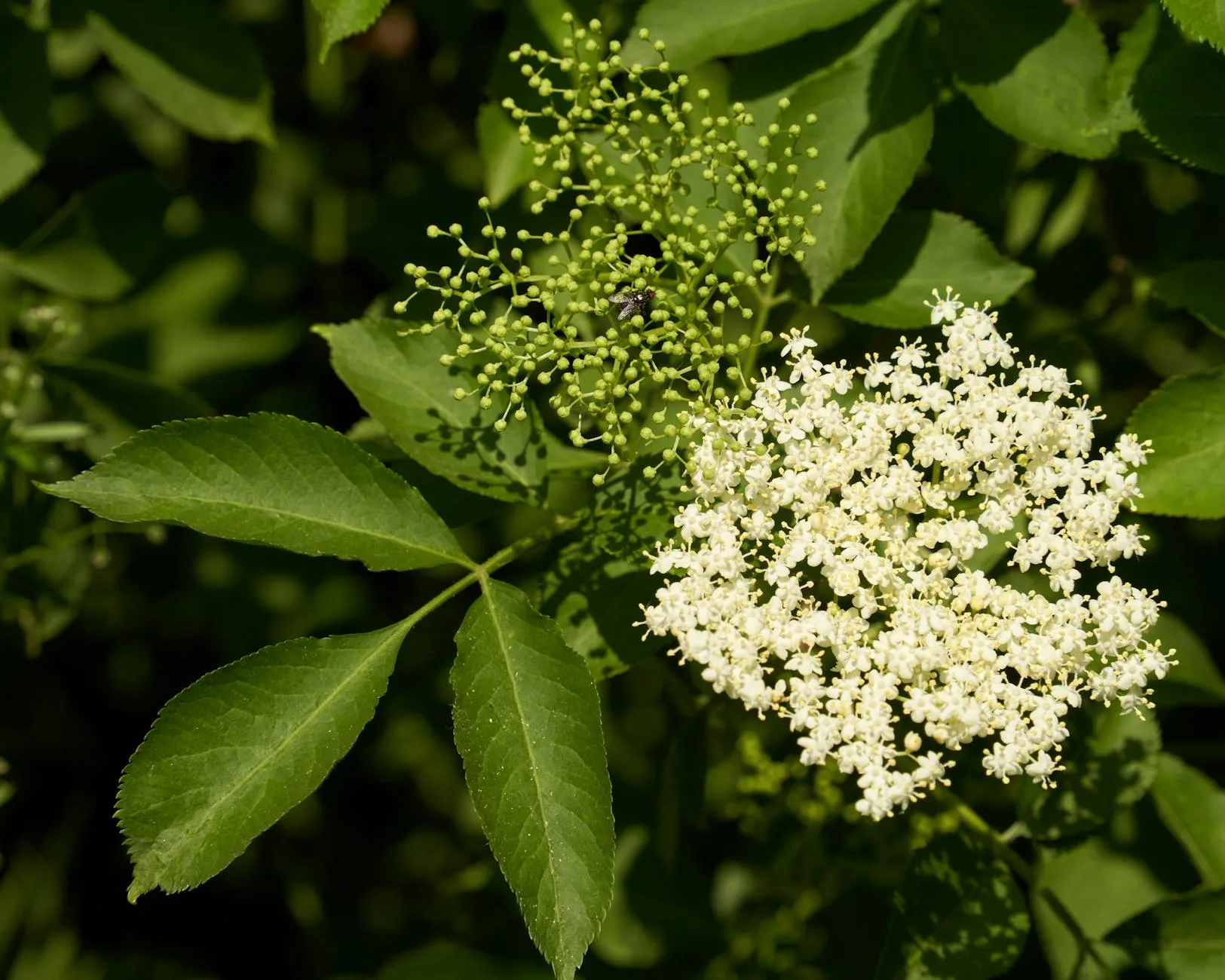
The queen of country wines. Light, floral, and dangerously drinkable when chilled on a summer evening. Pick the flowers on a dry, sunny day when they’re fully open and fragrant. Avoid flowers near busy roads — exhaust fumes and dust aren’t flavour enhancers.
What You Need
- 30-40 elderflower heads (about 2 carrier bags, loosely packed)
- 1.2kg white granulated sugar
- 4.5 litres water
- Juice of 3 lemons
- 1 tsp pectolase
- 1 tsp yeast nutrient
- 1 sachet champagne yeast (EC-1118)
- 1 Campden tablet (optional, for sterilising)
Method
- Shake the elderflower heads gently to dislodge any insects — don’t wash them, as you’ll lose the pollen that carries much of the flavour
- Boil 4.5 litres of water and dissolve the sugar in it, stirring until completely clear
- Pour the sugar water into your sterilised fermentation bucket and allow to cool to room temperature
- Add the elderflower heads, lemon juice, pectolase, and yeast nutrient — stir gently
- If using a Campden tablet, crush it and add now, then wait 24 hours before adding yeast (the tablet kills wild yeast; you need it to dissipate before adding your chosen yeast)
- Sprinkle the yeast on top — no need to stir it in
- Cover the bucket with a lid or clean tea towel and leave in a warm spot (18-22°C) for 5-7 days, stirring once daily
- Strain through muslin into a sterilised demijohn, squeezing the flowers gently to extract maximum flavour
- Fit the airlock and leave to ferment in a cool, dark place (15-18°C) for 4-6 weeks until bubbling stops
- Rack into a clean demijohn, leaving the sediment behind — this is where your siphon tube earns its keep
- Rack again after another 2 months, then bottle when the wine is completely clear
Tips from Experience
This wine is drinkable after 3 months but transforms after 6-9 months in the bottle. The harsh, yeasty edges smooth out and you’re left with something that easily rivals a Picpoul or Gavi for summer sipping. Keep at least one bottle for Christmas — by then it’ll be golden, honeyed, and spectacular.
Understanding how fermentation works helps you know when to rack and when to leave well alone. If in doubt, leave it longer.
Blackberry Wine Recipe
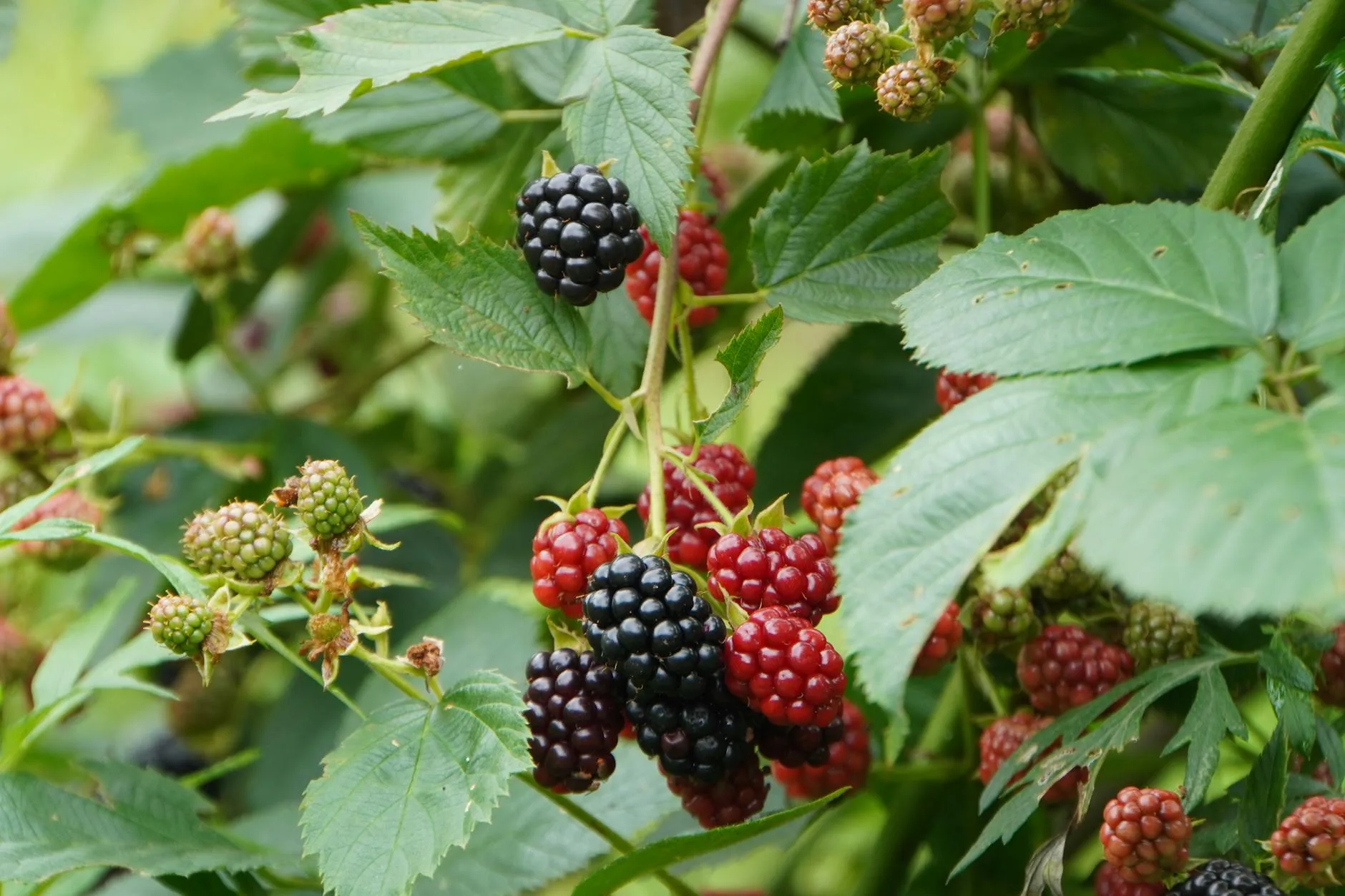
The classic British country wine, and possibly the most forgiving recipe for beginners. Blackberries are everywhere from late August through September — hedgerows, canal paths, allotments, even urban wasteland. Pick them ripe and dark, avoiding any that are hard or reddish.
What You Need
- 1.8kg ripe blackberries (about 4 punnets’ worth if buying, but why would you when they’re free?)
- 1.3kg white granulated sugar
- 4.5 litres water
- 1 tsp pectolase
- 1 tsp yeast nutrient
- Juice of 2 lemons
- 1 sachet Burgundy wine yeast
- ½ tsp grape tannin (optional — blackberries have some natural tannin)
Method
- Wash the blackberries and place them in a sterilised fermentation bucket
- Pour over 3 litres of boiling water and mash the berries with a sterilised potato masher — really go for it, you want the juice out
- Dissolve the sugar in 1.5 litres of boiling water and add to the bucket
- When the mixture has cooled to room temperature, add the lemon juice, pectolase, yeast nutrient, and tannin
- Add the yeast, cover, and leave for 5 days in a warm spot, stirring twice daily to push the floating fruit cap back down
- Strain through muslin into a sterilised demijohn — squeeze the pulp firmly to get every drop of colour and flavour
- Fit the airlock and ferment in a cool, dark place for 6-8 weeks
- Rack into a clean demijohn and leave for 3 months
- Rack again if sediment has formed, then bottle when clear
Ageing Notes
Blackberry wine needs patience. At 3 months it’s drinkable but rough — a bit like a cheap Merlot that’s been left open overnight. At 6 months it’s much better. At 12 months it’s properly lovely — deep purple, rich, with a jamminess that reminds you of good Ribera del Duero. I’ve had bottles at 18 months that visitors couldn’t believe came from hedgerow fruit.
Rhubarb Wine Recipe
Rhubarb wine divides opinion. Done well, it’s crisp, slightly tart, and excellent with fish. Done badly, it tastes like fizzy medicine. The secret is using the right amount of rhubarb and not over-sweetening.
What You Need
- 1.5kg rhubarb stalks (forced or outdoor — forced gives a lighter, more delicate wine)
- 1.2kg white granulated sugar
- 4.5 litres water
- 1 tsp pectolase
- 1 tsp yeast nutrient
- Juice of 2 lemons
- 1 sachet champagne yeast
Method
- Chop the rhubarb into 2cm pieces — discard the leaves (they’re toxic, containing oxalic acid)
- Place the rhubarb in a bucket and cover with the sugar — leave overnight, which draws out juice through osmosis
- The next day, add 4.5 litres of cold water (not boiling — heat destroys the delicate rhubarb flavour), lemon juice, pectolase, and yeast nutrient
- Add the yeast, cover, and leave for 7-10 days in a warm spot, stirring daily
- Strain into a demijohn, fit the airlock, and ferment for 6-8 weeks
- Rack twice over the next 4 months, then bottle when clear
Getting the Balance Right
Rhubarb is naturally very acidic, which is why this recipe uses less lemon juice than the elderflower. If your finished wine is too tart, back-sweeten with a small amount of sugar syrup after fermentation has completely stopped and you’ve added a Campden tablet to prevent re-fermentation. Add it gradually — 25ml at a time — tasting as you go.
Parsnip Wine Recipe
Parsnip wine is the dark horse of country wine making. It sounds unpromising — “root vegetable wine” isn’t exactly a compelling sell at a dinner party — but it produces a surprisingly sherry-like result that ages beautifully. Traditional parsnip wine was a staple in British farmhouses for centuries, and for good reason. For independent guidance, check WineGB guidance.
What You Need
- 2kg parsnips (after topping and tailing — best harvested after the first frost, which converts starches to sugars)
- 1.3kg white granulated sugar
- 4.5 litres water
- 1 tsp yeast nutrient
- Juice of 2 lemons
- Juice of 1 orange
- 1 sachet general purpose wine yeast
Method
- Scrub the parsnips thoroughly but don’t peel them — the skin adds flavour
- Chop into thin slices and simmer (not boil) in 4.5 litres of water for 20-25 minutes until tender but not mushy — if they disintegrate, the wine will be starchy and cloudy
- Strain the liquid through muslin into a fermentation bucket — discard the parsnips (or roast them for dinner)
- Stir in the sugar while the liquid is still warm, dissolving completely
- When cooled to room temperature, add the lemon juice, orange juice, and yeast nutrient
- Add the yeast, cover, and leave for 5 days, stirring daily
- Transfer to a demijohn, fit the airlock, and ferment for 8-10 weeks — parsnip wine ferments slowly
- Rack three times over 6 months (parsnip wine throws a lot of sediment)
- Bottle when completely clear — patience is everything with this one
Why It’s Worth the Wait
Parsnip wine at 6 months is acceptable. At 12 months it’s good. At 18-24 months it develops a dry, nutty, sherry-like character that’s remarkable. I opened a two-year-old bottle at Christmas and nobody guessed it was made from parsnips. It paired brilliantly with stilton and walnuts.
Dandelion Wine Recipe
Ray Bradbury wrote a novel about it. Your gran probably made it. Dandelion wine is the most romantic of country wines — golden, delicate, and tasting of spring sunshine. It’s also the most labour-intensive, because you need to pick a lot of dandelion heads and separate the petals from the green calyx (the bitter bit).
What You Need
- 3 litres of dandelion petals (that’s a LOT of dandelions — roughly 4-5 carrier bags of flower heads)
- 1.2kg white granulated sugar
- 4.5 litres water
- Juice of 3 lemons
- Juice of 1 orange
- 1 tsp yeast nutrient
- 1 sachet champagne yeast
- 250g raisins, chopped (adds body and feeds the yeast)
Method
- Pick dandelion heads on a dry, sunny day — ideally mid-morning when the flowers are fully open
- Pull the yellow petals away from the green calyx — this is the tedious bit, but leaving the green parts in makes the wine bitter. A good podcast helps
- Place the petals in a fermentation bucket, pour over 4.5 litres of boiling water, and leave for 2 days, stirring occasionally
- Strain through muslin, squeezing to extract the yellow liquid
- Add the sugar, lemon juice, orange juice, chopped raisins, and yeast nutrient — stir until the sugar dissolves
- When cooled, add the yeast, cover, and leave for 5 days, stirring daily
- Strain into a demijohn (leaving the raisins behind), fit the airlock, and ferment for 6-8 weeks
- Rack twice over 4 months, then bottle when clear
The Picking Challenge
Getting enough dandelion petals is the main barrier. It takes about an hour to pick enough flower heads, and another hour to separate the petals. Do it with someone — it’s surprisingly pleasant as a shared activity, and you’ll have wine to show for it in six months.
Troubleshooting Common Country Wine Problems
Wine Won’t Start Fermenting
This happens more often than you’d think, and the fix is usually simple:
- Temperature too low — yeast needs 18-24°C. British kitchens in winter can drop below this overnight. Move the vessel somewhere warmer, or wrap it in an old towel
- Dead yeast — if the sachet has been sitting in your cupboard for two years, it might be past its best. Buy fresh yeast — it’s £1
- Campden tablet still active — if you added a Campden tablet less than 24 hours before pitching yeast, the sulphite may still be killing it. Wait a full day
Wine Is Cloudy After Months
Persistent haze in country wine almost always means pectin. If you forgot the pectolase (or didn’t use enough), the haze won’t clear on its own.
- The fix: Add pectolase now — it works more slowly after fermentation but will still clear the wine over 2-4 weeks
- Prevention: Always add pectolase before fermentation starts, particularly with high-pectin fruits (blackberries, plums, apples, rhubarb)
- Nuclear option: Bentonite finings — a clay powder that drags particles to the bottom. About £4 from any home brew shop
Wine Smells Like Vinegar
Your wine has been infected by acetobacter — bacteria that convert alcohol to acetic acid (vinegar). This happens when air gets into the demijohn, usually because the airlock ran dry or the bung wasn’t sealed properly.
If caught early (slight tang rather than full vinegar), you can add a Campden tablet to kill the bacteria and hope for the best. If it’s properly vinegary, you’re making fruit vinegar now, not wine. It’s actually quite useful in salad dressings.
Wine Is Too Sweet
Fermentation stopped before all the sugar was consumed. This usually means:
- Alcohol tolerance reached — the yeast died because the ABV got too high for the strain. Next time, use less sugar or a more alcohol-tolerant yeast
- Temperature drop — fermentation can stall if the temperature drops suddenly. Warm it up and stir gently to re-suspend the yeast
- Stuck fermentation — add a fresh dose of yeast nutrient and a tiny sprinkle of new yeast. Sometimes a gentle shake is enough to restart things
When to Pick: A Seasonal Foraging Calendar
Timing matters enormously with country wine. Pick too early and the flavour is thin; too late and the fruit is past its best.
Spring (March-May)
- Dandelions — April-May, pick on sunny mornings when flowers are fully open
- Nettles — March-April, pick the top 4-6 leaves only (young growth). Wear gloves, obviously
- Gorse flowers — April-May, coconut-scented yellow flowers. Tricky to pick without getting scratched
Summer (June-August)
- Elderflowers — June-July, pick when fully open and fragrant on dry days
- Strawberries — June-July (surplus from the garden, or pick-your-own farms)
- Cherries — July-August, morello cherries make the best wine
- Redcurrants and blackcurrants — July
Autumn (September-November)
- Blackberries — Late August-October, the classic hedgerow harvest
- Elderberries — September-October, the elderflower tree’s autumn gift
- Damsons and sloes — September-October, both make exceptional wine
- Crab apples — October-November
Winter (December-February)
- Parsnips — Best after first frost (November-February)
- Beetroot — Available year-round but traditional as a winter wine
- Oranges and lemons — Seville oranges in January make wonderful wine
Frequently Asked Questions
How long does country wine take to make? From picking to drinking, most country wines take 4-12 months. Primary fermentation takes 1-2 weeks, secondary fermentation 6-8 weeks, then clearing and ageing adds another 2-6 months. Elderflower is drinkable quickest (3-4 months). Parsnip wine needs at least a year to shine.
Can I use frozen fruit for country wine? Yes, and freezing actually helps. Ice crystals burst the cell walls of fruit like blackberries and damsons, releasing more juice and flavour. Defrost fully before adding to the bucket. Frozen supermarket berries work fine if you can’t forage — you’ll need about 1.5-2kg per demijohn.
Do I need to sterilise everything? Every surface that touches your wine must be sterilised. Use sodium metabisulphite solution (a Campden tablet dissolved in a pint of water works) or a no-rinse steriliser like VWP or Star San. The number one cause of failed country wine is contamination from un-sterilised equipment.
Why does my wine taste of yeast? The wine hasn’t fully cleared. Rack it again, leaving all sediment behind, and give it another month or two. If it still tastes yeasty after 6 months, rack once more and add a Campden tablet. Time is the best fix — most yeasty flavours dissipate with ageing.
Is country wine actually legal to make in the UK? Yes, completely legal. Under UK law (HMRC Excise Notice 162), you can make wine at home for personal consumption without a licence. You cannot sell it without one, but making it for yourself, your family, and friends is perfectly fine.