This Belgian witbier recipe is mostly about restraint: a pale wheat base, a soft orange-and-coriander lift, and fermentation warm enough to feel Belgian without turning the beer into perfume. The target is a hazy, refreshing 4.5-5% beer that tastes bright rather than sweet, with enough body to carry the spice.
In This Article
- What a Belgian Witbier Should Taste Like
- Belgian Witbier Recipe: Ingredients and Kit
- Mash or Extract Method: Which Route to Take
- The Boil, Spice Timing and Cooling
- Fermentation Temperature and Yeast Choice
- Bottling, Carbonation and Serving
- Common Witbier Problems and Fixes
- Frequently Asked Questions
What a Belgian Witbier Should Taste Like
A good Belgian witbier should be pale gold, cloudy, gently spicy and properly refreshing. Think soft wheat body, light citrus peel, a little coriander, low bitterness and a dry enough finish that you want a second glass. If it tastes like orange squash, clove sweets or a bland wheat ale, the recipe has drifted.
The style is forgiving in one useful way: haze is normal. You are not trying to brew a polished lager. Wheat proteins, yeast character and a little starch haze all belong in the glass. If this is your first proper beer day, read the broader home brewing for beginners guide first, then come back to this witbier recipe once the basic flow makes sense.
The target profile
For a 20-litre homebrew batch, aim for:
- Original gravity: around 1.044-1.048
- Final gravity: around 1.008-1.012
- ABV: roughly 4.5-5%
- Bitterness: about 12-18 IBU
- Colour: pale straw to light gold
- Carbonation: lively, around 2.6-3 volumes if your bottles can handle it
That last point matters. Witbier tastes flat and dull when it is under-carbonated. It should not pour like Champagne, but it does need a bright lift. In my own batches, the difference between 2.2 and 2.7 volumes is the difference between “nice wheat beer” and “that actually tastes like a wit”.
Do not chase huge spice character. Orange peel and coriander should sit behind the yeast and wheat, not stamp across them. If you can identify coriander before you notice the beer, you used too much.
Belgian Witbier Recipe: Ingredients and Kit
This is written for a 20-litre batch because that suits the standard 25-litre plastic fermenters sold by UK homebrew shops. You can scale it down to 10 litres, but keep the percentages and spice timing the same.
Grain bill
Use this as the base:
- 2.2kg pilsner malt: about £4-£6 from The Malt Miller, Brew2Bottle or Brew UK
- 2kg wheat malt or flaked wheat: about £4-£7 depending on brand and crush
- 250g flaked oats: about £1-£2 from a homebrew shop or supermarket
- 150g light Munich malt: optional, about 50p-£1, for a slightly rounder malt note
If you brew all-grain, use crushed malt unless you own a mill. A 5kg sack of mixed crushed malt for this recipe usually lands around £10-£14 before delivery. If you are brewing from extract, use 2.7-3kg of wheat liquid malt extract or 2.2-2.4kg of dried wheat malt extract, then steep the oats only if your process can handle them properly. For a cleaner wheat-beer baseline before adding coriander and orange, compare it with the hefeweizen recipe guide.
Hops and spices
Keep the hop choice quiet. Hallertau, Saaz, Styrian Goldings or Tettnang all work. You need roughly 20-30g for a gentle bittering addition, which is usually £2-£4. I would not waste expensive modern aroma hops here; they pull the beer away from witbier and into pale ale territory.
For the spice, start lower than most recipes suggest:
- Coriander seed: 8-10g, lightly crushed just before use
- Dried bitter orange peel: 10-15g
- Optional fresh orange zest: zest from half an unwaxed orange
Buying a small 100g bag of coriander seed is about £1.50-£3 from a supermarket or Asian grocer. Homebrew bitter orange peel is usually £2-£4 a packet. Avoid ground coriander from the back of the cupboard. It tastes dusty and stale in beer.
Equipment
You do not need a shiny all-in-one system, but temperature control helps. A basic starter setup is enough if you are careful:
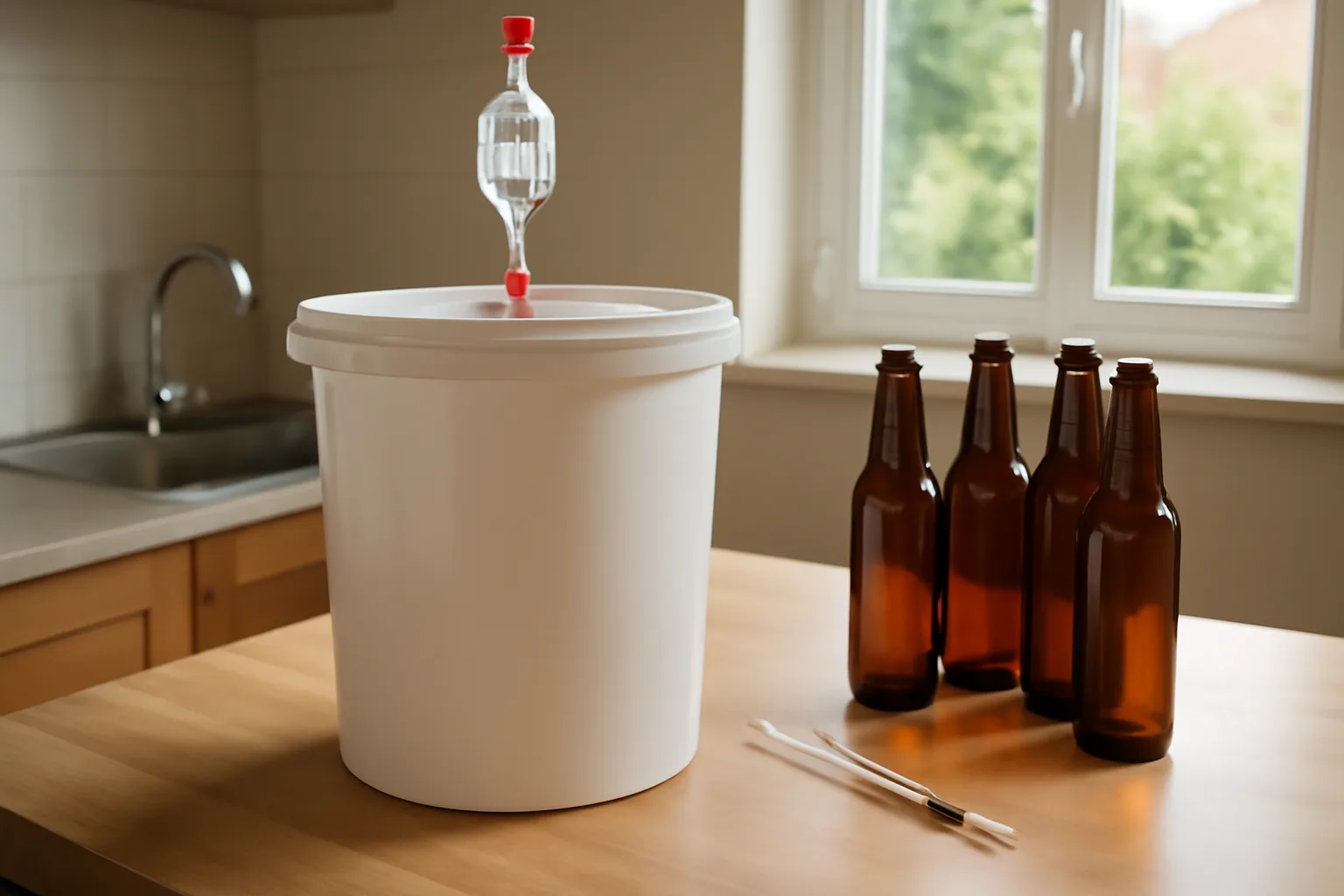
- 25-litre fermenting bucket with airlock: £12-£20
- Large stock pot or boiler: £35-£80 if you are doing extract, £180-£350 for an all-in-one system
- Hydrometer and trial jar: £8-£15
- No-rinse sanitiser: £5-£10
- Syphon or bottling wand: £8-£15
- 40 x 500ml brown beer bottles: £20-£35 new, less if you reuse clean pry-off bottles
The boring kit makes the beer better. A hydrometer, a decent thermometer and proper sanitiser matter more than a fancy paddle. If your cleaning routine is still guesswork, fix that first with the cleaning and sanitising homebrew equipment guide.
Mash or Extract Method: Which Route to Take
All-grain gives the best texture, but extract brewing can still make a very drinkable witbier. The choice depends on your kit, patience and how much mess you are willing to tolerate in a UK kitchen.
All-grain method
Mash at 65-66°C for 60 minutes. That gives a light body but leaves enough wheat softness. If your system struggles with wheat-heavy mashes, add a handful of rice hulls. They cost around £2-£4 a bag and can save you from a stuck mash.
Use about 26-28 litres of total water for a 20-litre finished batch, adjusting for your system’s boil-off. Wheat absorbs water and slows the run-off, so do not rush the sparge. If the wort runs cloudy, that is fine. If it runs like porridge, you crushed too fine or skipped the rice hulls.
I like a 10-minute rest at 50°C when using a lot of raw or flaked wheat, but it is not mandatory with modern malt. If you are new to brewing, a single 65°C mash is simpler and less likely to go wrong.
Extract method
For extract, dissolve wheat malt extract in warm water, bring it to the boil, add hops and spices as below, then top up with cold water in the fermenter. It is less romantic than all-grain, but it works.
The main extract mistake is scorching. Turn off the heat while stirring in malt extract, then bring the wort back to a gentle boil once it is fully dissolved. Burnt extract gives a dull caramel edge that does not suit witbier.
If you only have a 15-litre pot, boil 10-12 litres strong and dilute in the fermenter with chilled water. That is a practical UK flat-friendly method. Just sanitise everything that touches the cooled wort.
The Boil, Spice Timing and Cooling
Boil for 60 minutes if you are using pilsner malt, or 30 minutes if you are doing an extract version with pre-made malt extract. Keep the boil steady rather than violent. A rolling boil is enough.
Hop schedule
Use one bittering addition:
- 60 minutes all-grain: 20-25g Hallertau or Saaz, depending on alpha acid
- 30 minutes extract: 15-20g of the same hop, because extract boils often use a smaller volume
Do not add late hops unless you deliberately want a modern citrus wheat beer. A Belgian witbier should smell of wheat, yeast, orange peel and spice, not a New World hop bag.
Spice timing
Add crushed coriander and orange peel for the final 5 minutes of the boil. If you use fresh zest, add it at flameout instead. The hot wort pulls oils quickly, so longer is not better.
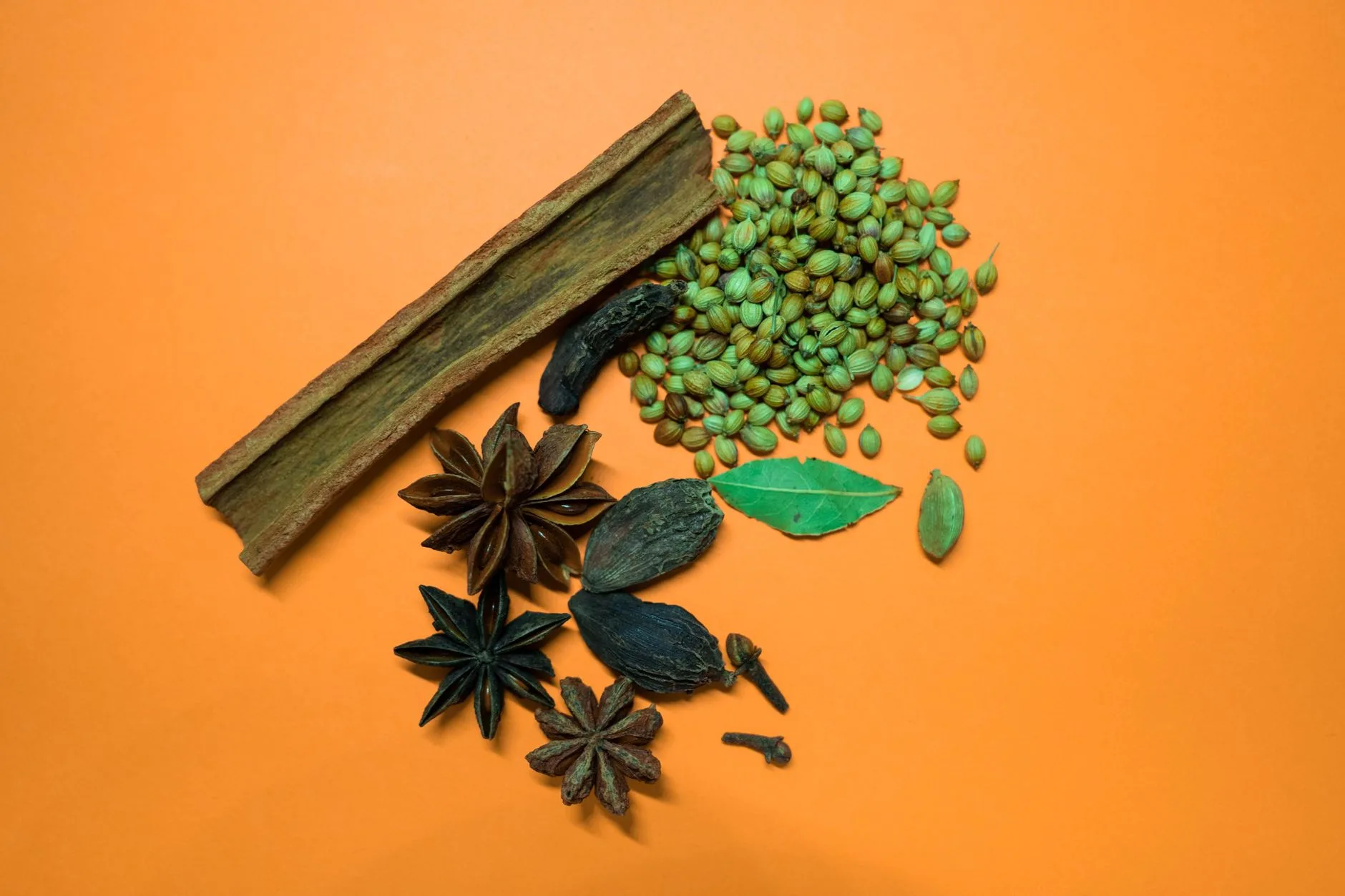
Crush coriander with a rolling pin or pestle until it is cracked, not powdered. Powdered spice is harder to control and can leave a rough, savoury note. The spice image here is exactly the sort of quantity decision that makes or ruins a witbier: a small amount used at the right time beats a big handful used because a recipe looked too pale on paper.
Cooling
Cool the wort to 18-20°C as quickly as your kit allows. An immersion chiller costs around £45-£75 and is worth it if you brew often. If you are using a sink ice bath, put the lidded pot in cold water, change the water a few times, and be patient.
Once the wort is cool, transfer it to the fermenter, top up to 20 litres, aerate well and take a gravity reading. If you are near 1.046, you are in the right zone. If you are a few points either side, do not panic. The beer will still be beer. For the measuring bit, the hydrometer step-by-step guide is worth keeping open on brew day.
Fermentation Temperature and Yeast Choice
Yeast choice does more for a witbier than any spice tweak. Use a strain built for Belgian wheat beer rather than a neutral ale yeast. Fermentis lists its SafAle W-68 as a wheat beer yeast with fruity and phenolic character, which is the sort of profile you want here.
Dry yeast options
Good dry yeast choices include:
- Fermentis SafAle W-68: about £4-£6 a sachet, expressive and easy to use
- Lallemand Munich Classic: about £4-£6, more banana-led and wheat-beer leaning
- Mangrove Jack’s M21 Belgian Wit: about £3.50-£5, a common UK homebrew-shop option
For a first batch, I would buy one fresh sachet of M21 or W-68 and pitch the whole thing. Saving £2 by under-pitching is false economy.
Temperature plan
Start fermentation at 18-19°C for the first two days, then let it rise to 20-22°C. That keeps the first burst controlled while still giving the yeast room to make the beer interesting.
If your house swings between 16°C overnight and 24°C in the afternoon, use a cheap stick-on thermometer strip, put the fermenter in a trug of water, and move it away from radiators or direct sun. A used fridge plus Inkbird controller is better, but that is a £70-£150 project, not a requirement for one batch.
Expect active fermentation within 12-24 hours. Leave the beer for 10-14 days, then check gravity. If the same reading holds for two days, it is ready to package. Do not bottle because the airlock slowed down; airlocks lie.
Bottling, Carbonation and Serving
Witbier wants firm carbonation, so bottles are usually easier than a pressure barrel. A basic pressure barrel at £45-£70 is fine for bitters, but it rarely gives the lively sparkle a wit needs.
For 20 litres, use around 130-150g of ordinary table sugar for bottle conditioning, dissolved in boiled water and gently mixed into a bottling bucket. Use a priming calculator if your beer temperature or volume is unusual. Too little sugar makes the beer flabby; too much creates gushers. The deeper homebrew carbonation methods guide explains priming, force carbonation and natural carbonation if you want the numbers behind it.
Bottle choice
Use strong brown beer bottles, ideally 500ml crown-cap bottles. Swing-top bottles are convenient but cost more, usually £2-£3 each new. Reused Belgian-style bottles are excellent if they take standard caps and have no chips around the lip.
Condition bottles at room temperature for 10-14 days, then chill one for 24 hours and test it. If carbonation is low, give the rest another week warm. Once they are lively, store them somewhere cool.
Serving
Serve at 4-6°C in a clean glass. Roll the bottle gently if you want the yeast haze in the pour, or leave the last centimetre behind if you prefer it cleaner. I pour most of the bottle clear, swirl the final splash, then decide whether the yeast looks creamy or muddy. No judgement either way.
Orange garnish is optional. It looks nice, but if the beer needs orange in the glass to taste like witbier, the recipe was too timid.
Common Witbier Problems and Fixes
Most witbier faults come from over-spicing, hot fermentation or poor sanitation. The good news is that the fixes are practical.
It tastes like coriander soup
Use less next time. For 20 litres, 8g of fresh cracked coriander is plenty. Some recipes use 15-20g, but that can dominate a small-batch homebrew. Age may soften it slightly, but spice-heavy beer rarely becomes elegant.
It tastes thin
Raise the mash temperature to 66-67°C, add 250g oats, or check that your extract quantity is high enough. Thin witbier often comes from chasing dryness too hard.
It tastes solvent-like or harsh
Fermentation was probably too warm, especially during the first 48 hours. Keep the next batch under 20°C at the start. A £35-£45 Inkbird controller and a second-hand fridge can transform consistency if you brew monthly.
It is not cloudy
Drink it anyway. Clarity is not a failure unless the beer tastes wrong. If you want more haze next time, use a higher wheat percentage, avoid aggressive finings, and do not cold-condition for weeks.
It gushes when opened
That can be over-priming, bottling before fermentation finished, infection, or hop/spice particles in the bottle. Check final gravity properly, keep spice matter out of the bottling bucket, and clean bottles with more care than feels necessary.
The best version of this brew belgian witbier recipe is not the most complicated one. It is the one you can repeat: restrained spice, healthy yeast, steady temperature and clean packaging. Get those right and you will have a beer that feels made for a warm afternoon, even if the British weather gives you 14°C and drizzle. If you want a maltier British comparison afterwards, the classic English bitter recipe is a useful contrast.
Frequently Asked Questions
Can I brew Belgian witbier from a kit? Yes. A wheat beer or Belgian wit kit is a decent shortcut, usually £18-£30, but use fresh yeast and go easy on any supplied spice sachet if it smells strong.
Do I need orange peel in a witbier? You do not strictly need it, but bitter orange peel gives the familiar dry citrus note. Fresh orange zest works too, as long as you avoid the white pith.
Can I use bread wheat or plain flour? I would not. Use wheat malt, flaked wheat or wheat malt extract. Flour can turn the mash gluey and is more trouble than the small saving is worth.
How long before homemade witbier is ready to drink? Expect about three to four weeks: 10-14 days fermenting, 10-14 days carbonating, then at least a day chilled before opening.
What temperature should I ferment Belgian witbier at? Start around 18-19°C, then let it rise to 20-22°C after the first couple of days. That keeps harsh alcohol down while allowing Belgian yeast character.
Can I keg this recipe instead of bottling? Yes, but carbonate it higher than you would a bitter or pale ale. If your keg setup struggles with lively carbonation, bottles will suit the style better.