Adjuncts can make a homebrew memorable, but they can also turn a decent beer into fizzy jam, Christmas candle water or cold brew with a head on it. The trick with brewing adjuncts fruit spice and coffee included is to start with the base beer first, then add one clear idea at a controlled dose.
In This Article
- What Counts as an Adjunct in Home Brewing?
- The Rule That Stops Adjunct Beers Tasting Gimmicky
- Fruit Adjuncts: Fresh, Frozen, Puree or Extract?
- Spices, Herbs and Botanicals: Use Less Than You Think
- Coffee, Cacao and Vanilla in Dark Beers
- Sugars, Honey and Lactose: Body, ABV and Sweetness
- When to Add Adjuncts During the Brew
- Bottom Line
- Frequently Asked Questions
What Counts as an Adjunct in Home Brewing?
An adjunct is any ingredient outside the core malt, hops, yeast and water that changes flavour, aroma, body, colour, alcohol or mouthfeel. In home brewing, that can mean fruit, spices, coffee, cacao nibs, honey, lactose, oats, maple syrup, chillies, orange peel, tea, herbs or pretty much anything else people try after their third successful pale ale.
That does not mean every non-standard ingredient is a good idea. The best adjunct beers still taste like beer. The adjunct adds a clear twist; it does not bulldoze the malt, hops or fermentation character.
Adjuncts are not all doing the same job
Use adjuncts for a purpose, not because the cupboard is nearby.
- Flavour adjuncts: raspberries, cherries, coffee, cacao, vanilla, orange peel and spices.
- Aroma adjuncts: citrus zest, coriander seed, dry coffee, herbs and botanicals.
- Fermentable adjuncts: honey, maple syrup, brown sugar, invert sugar and fruit sugars.
- Body adjuncts: oats, wheat, lactose and maltodextrin.
- Colour adjuncts: dark sugars, roast additions, fruit skins and some spices.
This is why two adjuncts with similar flavours can behave very differently. Raspberries bring acidity, colour and fermentable sugar. Raspberry extract brings aroma and sweetness cues without much real fruit behaviour. Lactose changes body but not fruit character. Cacao nibs smell like chocolate but do not add the sweetness people associate with a chocolate bar. Treat each one as a process choice, not just a flavour label.
If you are still building confidence with recipe design, read our guide to creating your own beer recipe from scratch first. Adjuncts are easier when the base recipe already makes sense.
The Rule That Stops Adjunct Beers Tasting Gimmicky
The boring rule is the useful one: balance matters more than novelty. The Beer Judge Certification Program says fruit character should be evident but still balanced with the beer in its fruit beer guidance, and its spice, herb and vegetable beer guidance makes the same point about not overwhelming the base style.
That is the line I use when deciding whether to add more. If the beer would be unpleasant without the novelty label, the adjunct is not doing its job.
Start with one main adjunct
The first mistake is stacking flavours before you know how each behaves. Raspberry, vanilla, cacao and lactose in a stout sounds like a pudding menu. In practice it can become sweet, muddy and expensive.
For a first attempt, pick one lead flavour and one supporting ingredient at most:
- Good first pairing: raspberry wheat beer with a small vanilla touch.
- Good first pairing: coffee stout with a restrained lactose addition.
- Risky first pairing: mango, chilli, lime, lactose and dry hops in one IPA.
- Risky first pairing: five Christmas spices in a brown ale when you have not tested any of them.
A 20-litre batch is not the place to discover that cloves dominate everything. Split batches are your friend. Bottle or keg a plain base beer, then dose small samples with tinctures or extracts before committing the full batch.
There is a cost reason as well. If you spend £12 on raspberries, £8 on vanilla, £6 on cacao nibs and £10 on coffee, the adjunct bill can overtake the malt bill before the beer is any better. I would rather make a clean £18 stout with one £7 coffee addition than a £40 experiment where nobody can tell what the base beer was meant to be.
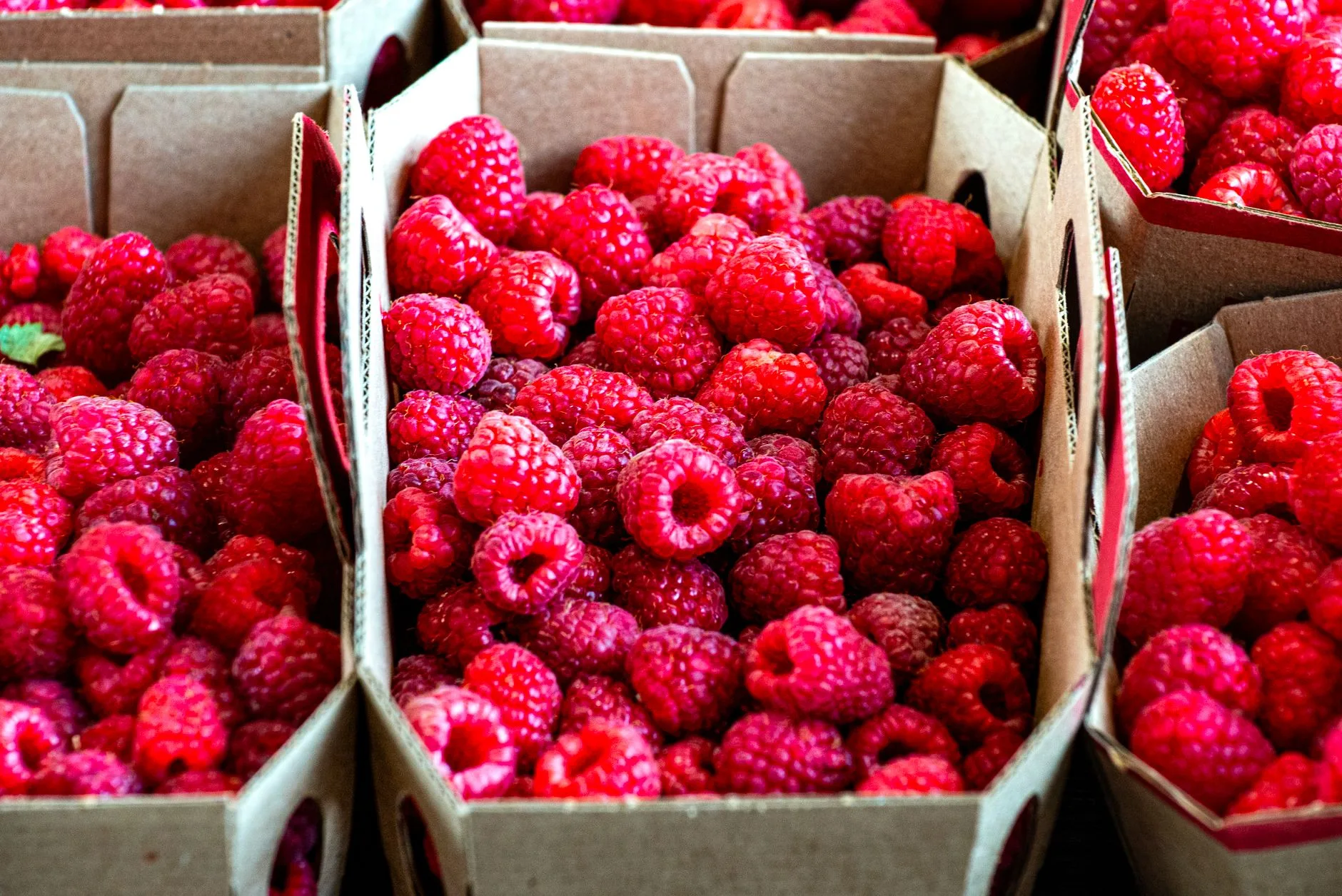
Fruit Adjuncts: Fresh, Frozen, Puree or Extract?
Fruit is the adjunct most home brewers underestimate. It brings flavour, sugar, water, acidity, haze, colour and possible contamination. It also fades faster than people expect, especially in delicate beers.
Fresh fruit
Fresh fruit sounds romantic, but it is rarely the easiest route. UK supermarket berries might cost £2-£3 per 150g punnet, and you may need 1-3kg for a noticeable 20-litre batch depending on the beer and fruit. That gets expensive quickly.
Fresh fruit works best when it is ripe, clean, frozen first to break down the cells, then added after primary fermentation has slowed. I avoid boiling delicate berries because the flavour can turn jammy and cooked. Cherries, blackberries and raspberries are more forgiving than strawberries, which often smell better than they taste in beer.
Frozen fruit and puree
Frozen fruit is usually the best first choice. It is available year-round, predictable and cheaper than buying small fresh punnets. Expect to pay about £2-£4 per 500g bag from Tesco, Sainsbury’s or Iceland, with raspberries and cherries often at the higher end.
Commercial fruit puree is cleaner and easier to dose, but pricier. Homebrew shops such as The Malt Miller, Brew2Bottle and Bigger Jugs often sell fruit purees or flavourings from about £8-£20 depending on size and fruit. Puree is my pick for sour beers, wheat beers and anything where repeatability matters.
Extracts and flavourings
Extracts can rescue a beer with weak fruit character, but they can taste artificial if overused. Add them at packaging in tiny measured doses. Dose a 100ml sample first, scale up carefully, then stop before the beer tastes like squash.
Fruit also affects strength readings. If you add fruit after primary fermentation, the sugars can restart fermentation and the pulp can make gravity readings messy. Give the beer time to finish, then check gravity on two separate days before packaging. If airlock activity starts again after fruit goes in, be patient. Bottling early because the fruit aroma smells good is how you end up with over-carbonated bottles.
If you are brewing fruit wine rather than beer, our fruit wine flavour guide is a better match because the goal is different. In beer, the fruit should support the base style. In wine, the fruit is the main act.
Spices, Herbs and Botanicals: Use Less Than You Think
Spices are where confidence gets people into trouble. Cinnamon, clove, star anise, cardamom, chilli and rosemary can dominate a batch at tiny doses. If a recipe says “add a pinch”, write down what the pinch weighs. Future you deserves numbers.
Whole spices beat old powders
Whole spices are easier to control and often taste cleaner. A small jar of supermarket ground cinnamon might cost £1-£2, but it can give a dusty finish. Whole cinnamon sticks, coriander seed or star anise from a supermarket or Asian grocer are usually better value and easier to remove.
Typical starting points for 20 litres:
- Coriander seed: 10-20g, lightly crushed, good in witbier and saisons.
- Orange peel: 15-30g dried bitter or sweet peel, depending on style.
- Cinnamon: one small stick near the end of the boil or as a tincture.
- Clove: extremely cautious; one or two whole cloves can be enough.
- Chilli: dose by tincture if possible because heat varies wildly.
For a real example of restraint, our Belgian witbier guide uses citrus and coriander as background support, not as a dare.
Tinctures are safer than guessing
A tincture is just the spice soaked in vodka or neutral spirit, then dosed into the finished beer. A 35cl bottle of supermarket vodka costs about £6-£8, and it is enough for many test batches. Soak the spice for a few days, strain it, then dose measured samples with a pipette or syringe.
This is much safer than throwing more spice into the fermenter and hoping. Once clove or chilli is too strong, you are not fixing it with positive thinking.
For herbs, freshness matters more than quantity. Tired supermarket rosemary can taste woody, while fresh garden rosemary can become resinous fast. Mint is even trickier because it can read as toothpaste in pale beer. If you want a botanical beer, make a tea or tincture first, dose a glass, and leave it for ten minutes before judging. Some herbs smell lovely at first and then turn sharp as the beer warms.
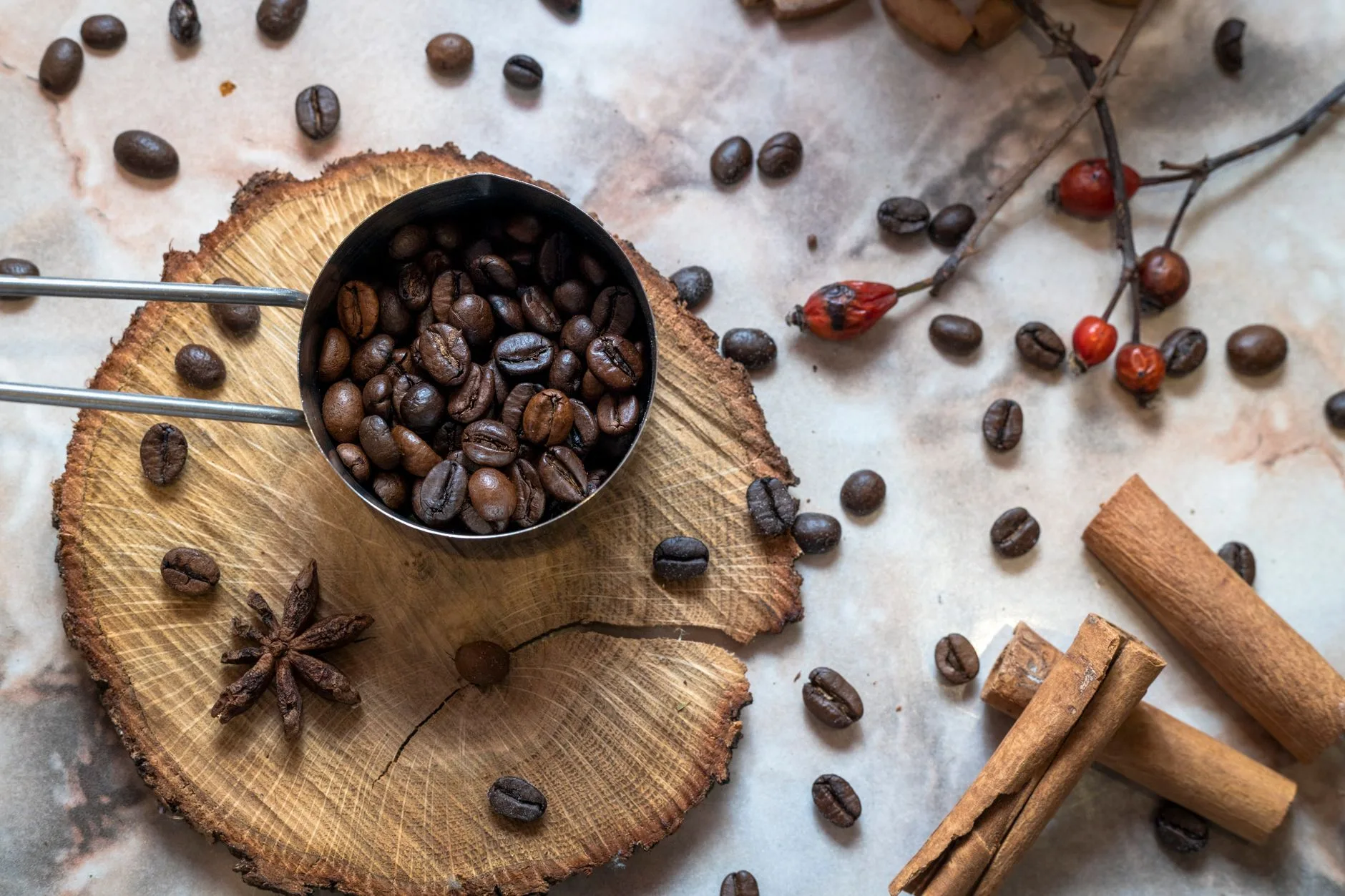
Coffee, Cacao and Vanilla in Dark Beers
Coffee, cacao and vanilla suit porters, stouts, brown ales and some darker Belgian styles because the roast and malt can carry them. In pale beers, they can work, but the margin for weirdness is narrower.
Coffee
Cold brew coffee gives smoother flavour than hot-brewed coffee, which can bring harsh bitterness. Use a coffee you would actually drink. A 250g bag from Pact, Rave, Union or a local roaster might cost £7-£12. Cheap stale coffee makes cheap stale beer.
For 20 litres, start with 250-500ml of strong cold brew added to taste at packaging. I prefer dosing the keg or bottling bucket gradually rather than adding coffee to the fermenter blind. Coffee aroma can fade, so package soon after dosing.
If you are using coffee in a stout, keep your roast malt sensible. A burnt stout plus strong coffee can taste like licking the inside of an espresso knock box.
Cacao nibs and vanilla
Cacao nibs give chocolate aroma without the sweetness people expect from chocolate bars. They cost about £4-£8 per 200g from health-food shops, Amazon UK or brewing suppliers. Toasting them lightly can help, but do not scorch them.
Vanilla is expensive but powerful. One or two decent vanilla pods can cost £4-£8 in UK supermarkets, and cheaper essence often tastes thin. Use vanilla as a finishing note, not a blanket. It can make a stout feel rounder, but it can also make beer taste like a scented candle if you chase sweetness too hard.
If dark beers are your focus, our guide to beer styles helps you pick a base that suits roast, chocolate and dessert flavours.
One useful test is to pour a small glass of the finished base beer and dose it with a few drops of cold brew, cacao tincture or vanilla tincture. Taste it cold, then taste it warmer. Dark adjunct beers often seem balanced at fridge temperature and too sweet or roasty at 12°C. That matters because many stouts and porters taste better slightly warmer than lager.
Sugars, Honey and Lactose: Body, ABV and Sweetness
Sugars are adjuncts too, but they do not all behave the same way. Some ferment almost fully and dry the beer out. Others add body or sweetness.
Fermentable sugars
Honey, maple syrup, brown sugar and invert sugar can raise alcohol and add subtle flavour, but most of the sweetness ferments away. A 340g jar of UK supermarket honey might cost £2-£5; local honey can be £6-£10. Maple syrup is dearer, often £5-£8 for 250ml.
Use them with a reason:
- Honey: light floral aroma in saisons, blondes and strong ales, but delicate.
- Brown sugar: rum-like depth in darker ales, especially old ales and porters.
- Maple syrup: expensive and subtle; better as a small finishing idea than the main event.
- Invert sugar: useful in British styles where you want fermentability without heavy body.
Track gravity when using sugars. Our ABV calculation guide will keep you honest when a “small” honey addition quietly nudges the beer stronger.
Lactose and body builders
Lactose is mostly unfermentable by standard brewer’s yeast, so it adds sweetness and body. It is common in milk stouts and pastry-style beers. Expect to pay about £3-£6 for 500g from homebrew suppliers or Amazon UK.
Start around 250g in 20 litres if you want a gentle lift. Jumping straight to 500g can make a beer cloying, especially if you already have vanilla, cacao or fruit involved.
Oats and wheat are different. They affect mouthfeel and haze more than sweetness. If you want body in a pale ale without dessert sweetness, oats may be the better route.
Also watch the label if you are sharing beer. Lactose is milk sugar, so it is not suitable for anyone avoiding dairy. It is easy to forget because the beer does not look like a dairy product. Mark bottles clearly if you use it, especially if you are taking homebrew to a club night or family barbecue.
When to Add Adjuncts During the Brew
Timing changes the result. The same orange peel can taste bright, dull, bitter or barely present depending on where it goes.
Boil additions
Boil additions are best for ingredients that need sanitising, extraction or bitterness control: coriander seed, orange peel, some sugars and tougher spices. Late-boil additions preserve more aroma than long boils.
The downside is loss of freshness. Boiled fruit tastes cooked. Boiled coffee tastes harsh. Boiled vanilla is mostly a waste of money.
Fermentation and conditioning additions
Fruit, coffee, cacao, vanilla and delicate botanicals usually make more sense after primary fermentation. Alcohol and low pH give some protection, but cleanliness still matters. The Food Standards Agency’s advice on why cleaning matters for food safety is not homebrew-specific, yet the principle is exactly why sticky fruit puree and dirty equipment are a bad mix.
Sanitise anything that touches the beer. Use clean bags, weights, spoons, tubing and vessels. If you have not already nailed this, pause and read our cleaning and sanitising guide. Adjunct beers punish lazy cleaning because fruit sugars and oxygen exposure invite problems.
Packaging additions
Packaging is the place for careful final adjustments: coffee, tinctures, extracts and sometimes vanilla. Dose a sample, scale it up, then write down exactly what you used. Our homebrew record-keeping guide is dull in the best way here. If the beer works, you can repeat it. If it fails, you can see why.
Do not bottle with unknown fermentable fruit sugar unless you understand the risk. Extra sugar can mean over-carbonation or bottle bombs. If in doubt, stabilise only when appropriate, keg instead of bottle, or keep the addition non-fermentable and measured.
Bottom Line
Adjunct brewing is at its best when the base beer is solid and the extra ingredient has a job. Fruit should lift the beer, spices should support it, coffee should add roast depth, and sugars should change body or strength for a reason.
My default advice: brew the base beer once, then add one adjunct in a split batch. Use measured doses, keep UK ingredient costs realistic, and record the result. The clever bit is not finding the strangest thing to put in beer. It is knowing when to stop.
Frequently Asked Questions
What are adjuncts in brewing? Adjuncts are ingredients beyond malt, hops, yeast and water, such as fruit, spices, coffee, cacao, honey, lactose, oats or sugar.
When should I add fruit to beer? Most fruit works best after primary fermentation has slowed, because delicate fruit flavour can taste cooked if boiled.
How much spice should I use in a 20-litre batch? Start lower than you think. For strong spices such as clove, chilli or cinnamon, tinctures and sample dosing are safer than guessing.
Can I add coffee to beer? Yes. Cold brew coffee is usually smoother than hot coffee, and it is best added gradually at packaging until the flavour is where you want it.
Does honey make beer sweet? Usually not much. Honey is mostly fermentable, so it can raise alcohol and add aroma, but much of the sweetness ferments away.
Are brewing adjuncts expensive? They can be. Frozen fruit might cost £2-£4 per 500g, cacao nibs £4-£8 per 200g, vanilla pods £4-£8 each, and coffee £7-£12 per 250g.