Hosting a beer tasting at home works best when it feels organised without becoming a lecture. The trick is to pour small samples, keep the line-up tight, and give people enough structure to compare beers without turning your kitchen table into a clipboard exercise. If you want to host beer tasting at home for friends who range from lager drinkers to homebrew obsessives, six beers is the sweet spot.
In This Article
- Build a Tasting Line-Up That Makes Sense
- Glassware, Serving Kit and UK Costs
- How Much Beer to Buy and Where to Buy It
- Pour in the Right Order
- Use a Simple Tasting Method
- Keep Food, Water and Pacing Under Control
- Run the Evening Without Making It Stiff
- Frequently Asked Questions
Build a Tasting Line-Up That Makes Sense
The beer list matters more than the tasting sheet. A good line-up lets people notice changes in malt, hops, yeast and strength as they move through the samples. A random mix of supermarket cans can still be fun, but it usually turns into “I like that one” rather than a proper comparison.
Pick one clear theme
Choose a theme before buying anything. The easiest home formats are:
- Style ladder: pilsner, pale ale, IPA, amber ale, porter and stout.
- One style, different breweries: six British pale ales or six stouts.
- Homebrew vs commercial: your own beer against two or three similar bought examples.
- Regional tasting: beers from Yorkshire, Scotland, Cornwall or local breweries near you.
For a first tasting, I would use a style ladder. It gives everyone reference points, and it stops the strongest IPA bullying the whole evening from glass one.
If you brew your own beer, link the night back to the process. A pale ale made from extract will make more sense if guests have already seen why extract and all-grain brewing feel different, while a yeast-heavy Belgian beer lands better when you can explain what brewing yeast strains actually change.
Keep it to six beers
Four beers feels a bit short. Eight starts to blur unless everyone is used to tasting. Six gives you enough contrast without palate fatigue, and it keeps the cost sensible.
For each beer, aim for a 75ml to 100ml pour per person. That is enough to look, smell, taste and revisit without serving a full third. For six people tasting six beers, you need roughly 2.7 to 3.6 litres of beer in total. In practice, that means one 440ml can per two people for each beer, or one 500ml bottle per three people if you are pouring carefully.
Include one familiar beer
Put one beer in the line-up that most people can understand quickly: a crisp pilsner, a standard bitter, a mild pale ale or a simple porter. It gives the table a reference point before you move into hazy IPAs, smoked beers or big Belgian styles.
The BJCP beer style guidelines are useful if you want proper style language, but you do not need to read the room a full category description. Use them to choose contrast: pale versus dark, dry versus sweet, clean fermentation versus yeast character.
Glassware, Serving Kit and UK Costs
You do not need specialist tasting paddles to host beer tasting at home. You need clean glasses, a way to identify the beers, water, somewhere to tip leftovers, and enough table space that nobody knocks over sample three while reaching for crisps.
Glasses that work
Small stemmed glasses are ideal because they trap aroma better than tumblers. IKEA, Dunelm and Amazon UK usually sell small wine or tasting glasses for about £12 to £25 for a set of six. If you want proper beer tasting glasses, look at Beer Hawk, BrewDog, The Malt Miller or specialist homebrew shops; branded Teku-style glasses often cost £7 to £12 each, which is overkill for a casual first night.
The budget option is simple and fine: use clean 125ml wine glasses or half-pint glasses and pour less. Avoid plastic cups if you can. They flatten aroma, feel cheap, and make good beer taste like a train buffet.
Labels, mats and note cards
You can make tasting cards with printer paper, or use sticky notes next to each bottle. The only information guests need at the start is a sample number. Save the brewery, style and ABV reveal until after first impressions if you want honest reactions.
Useful kit:
- Number stickers: about £2 to £4 from Amazon UK or WHSmith.
- A water jug: free if you own one; £5 to £10 from IKEA or Tesco.
- Plain crackers: £1 to £2 from any supermarket.
- A dump jug: use a measuring jug or spare bowl; no need to buy one.
- A bottle opener: £3 to £8 from Tesco, Lakeland or Amazon UK.
If you run tastings often, buy a dozen small glasses rather than more gadgets. Glass consistency makes comparison easier; tasting paddles mainly look good in photos.
Serving temperature
Most UK fridges sit around 3°C to 5°C, which is too cold for many ales. Lagers, pilsners and wheat beers can come straight from the fridge. Pale ales and IPAs are better after 10 minutes on the side. Porters, stouts and stronger Belgian styles usually show more flavour closer to 10°C to 13°C.
Do not fuss with thermometers unless you enjoy that sort of thing. Take darker and stronger beers out first, leave crisp lagers chilled, and the night will work.
How Much Beer to Buy and Where to Buy It
The buying plan should match the number of guests, not the number of beers you fancy trying. It is very easy to overspend in a bottle shop when every can has a nice label and a name like “Quantum Hedgehog”.
A sensible UK budget
For six adults, a good home tasting can cost £30 to £55 for beer. That assumes six different beers, mostly 330ml to 440ml bottles or cans, with a couple of spares where the bottle size is small.
Typical UK prices:
- Supermarket craft cans: £2 to £4 each at Tesco, Sainsbury’s, Morrisons or Waitrose.
- Local brewery cans: £3.50 to £5.50 each from the brewery shop.
- Specialist bottle shop picks: £4 to £8 each for stronger or imported beers.
- Homebrew contribution: roughly £1 to £2 per 500ml bottle once ingredients and packaging are spread across a batch.
If you want to keep the evening under £40, buy two classic styles from a supermarket, two local brewery beers, one darker beer and one wildcard. You do not need six rare imports.
Where I would buy
For a practical tasting, I would start with a local independent bottle shop or brewery because staff recommendations save time. Ask for a six-beer flight with clear contrast, not just “your best sellers”. If you need a faster option, Waitrose and larger Tesco branches tend to have better single-can variety than smaller convenience stores.
Online, Beer Hawk, Trembling Madness and HonestBrew-style retailers can work well, but delivery charges change the value. A £38 basket can become £44 once postage appears. For homebrew comparisons, The Malt Miller and Brew2Bottle are useful for ingredients, and a beer made with a known kit can sit nicely beside a commercial version from our best beer recipe kits guide.
Check ABV before you commit
Do not accidentally create a line-up where everything is 6.5% and above. It stops being a tasting and becomes an early taxi.
The Drinkaware guide to alcohol units in drinks is a useful reference when planning pours. A 100ml sample of 5% beer is about 0.5 units; six samples at that size is already around three units before anyone has a full glass afterwards.
Pour in the Right Order
Serving order is where a lot of home tastings go wrong. Big hops, roast malt, smoke, sourness and high alcohol all linger. If you pour those early, quieter beers taste thin afterwards.
The basic order
Use this order for most mixed tastings:
- Lowest intensity first: pilsner, helles, lager or blonde ale.
- Light malt and gentle hops: bitter, golden ale or pale ale.
- Hop-forward beers: modern pale ale, IPA or NEIPA.
- Richer malt: amber ale, brown ale, dubbel or bock.
- Roast and dark beer: porter, stout or black IPA.
- Wildcards last: sour, smoked, barrel-aged or high-ABV beer.
This is not snobbery. It is just palate management. A smoky rauchbier makes a delicate lager taste like fizzy water if you put it first.
Blind or open tasting?
Blind tasting is fun if your guests are up for it. It removes label bias and often exposes how much brand reputation changes expectations. Open tasting is better if the group wants to learn about styles and breweries as they go.
My preference for a mixed group is half-blind. Pour samples with numbers only, ask everyone for first impressions, then reveal the beer before moving on. It keeps the guessing-game energy without making the evening feel like an exam.
Include homebrew carefully
If you are serving your own beer, do not make it the first sample. Put it beside a similar commercial beer so people have a fair comparison. A homemade English bitter can sit near a shop-bought bitter; a hazy pale can sit near another pale ale.
Be open about faults. If the beer has a slight buttery note or too much fizz, call it out and use it as part of the night. Our guide to beer off-flavours is worth reading before you host, because guests often notice “something odd” before they know the name for it.
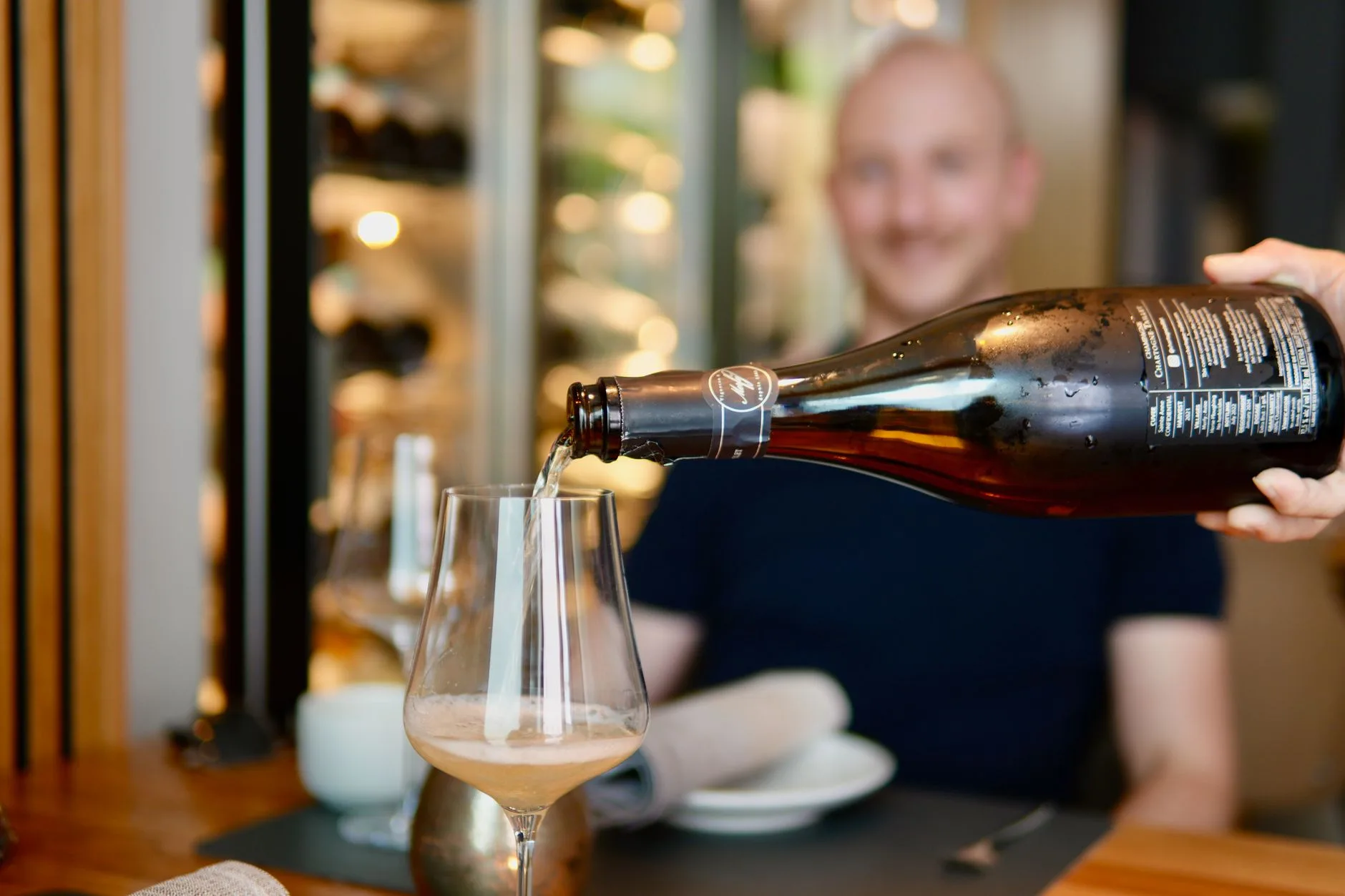
Use a Simple Tasting Method
The best tasting method is one people will use after two beers. Keep it short: look, smell, taste, compare, score if you want. You are not training judges; you are helping friends find words for what they like.
Look
Ask people to notice colour, clarity, foam and bubbles. Do not overdo it. Haze is not a moral failure, and crystal-clear beer is not always better. It depends on style.
Useful prompts:
- Colour: straw, gold, amber, brown or black.
- Clarity: bright, lightly hazy, opaque or murky.
- Foam: thin, creamy, rocky or fast-fading.
If you have homebrew in the line-up, clarity and foam can also tell you about process. Cleaning, fermentation temperature and packaging all show up in the glass, which is why good homebrew record keeping is more useful than memory.
Smell
Most flavour starts as aroma. Tell guests to swirl gently, sniff once, wait, then sniff again. First impressions are often the most useful.
Common beer aromas include citrus, pine, bread crust, caramel, coffee, chocolate, banana, clove, pepper, honey, berries, grass and sulphur. You do not need fancy vocabulary. “It smells like toast” is better than pretending to detect “lightly toasted artisanal brioche”.
Taste
Take one small sip, then a second. The first sip resets your mouth; the second tells you more. Ask three questions:
- What hits first? sweetness, bitterness, acidity, roast, alcohol or fizz.
- What sits in the middle? malt body, hop flavour, yeast character or fruit.
- What is left afterwards? clean finish, dry bitterness, warming alcohol or sweetness.
This is where a good host gently keeps the chat useful. If someone just says “nice”, ask what makes it nice. If someone says “too bitter”, ask whether it is grapefruit bitterness, burnt bitterness or harsh bitterness.
Score lightly
Scoring is optional. If you use it, keep it simple: 1 to 5 for aroma, flavour and “would buy again”. The last score is the one that matters. A beer can be technically impressive and still not be one you want with a Friday night curry.
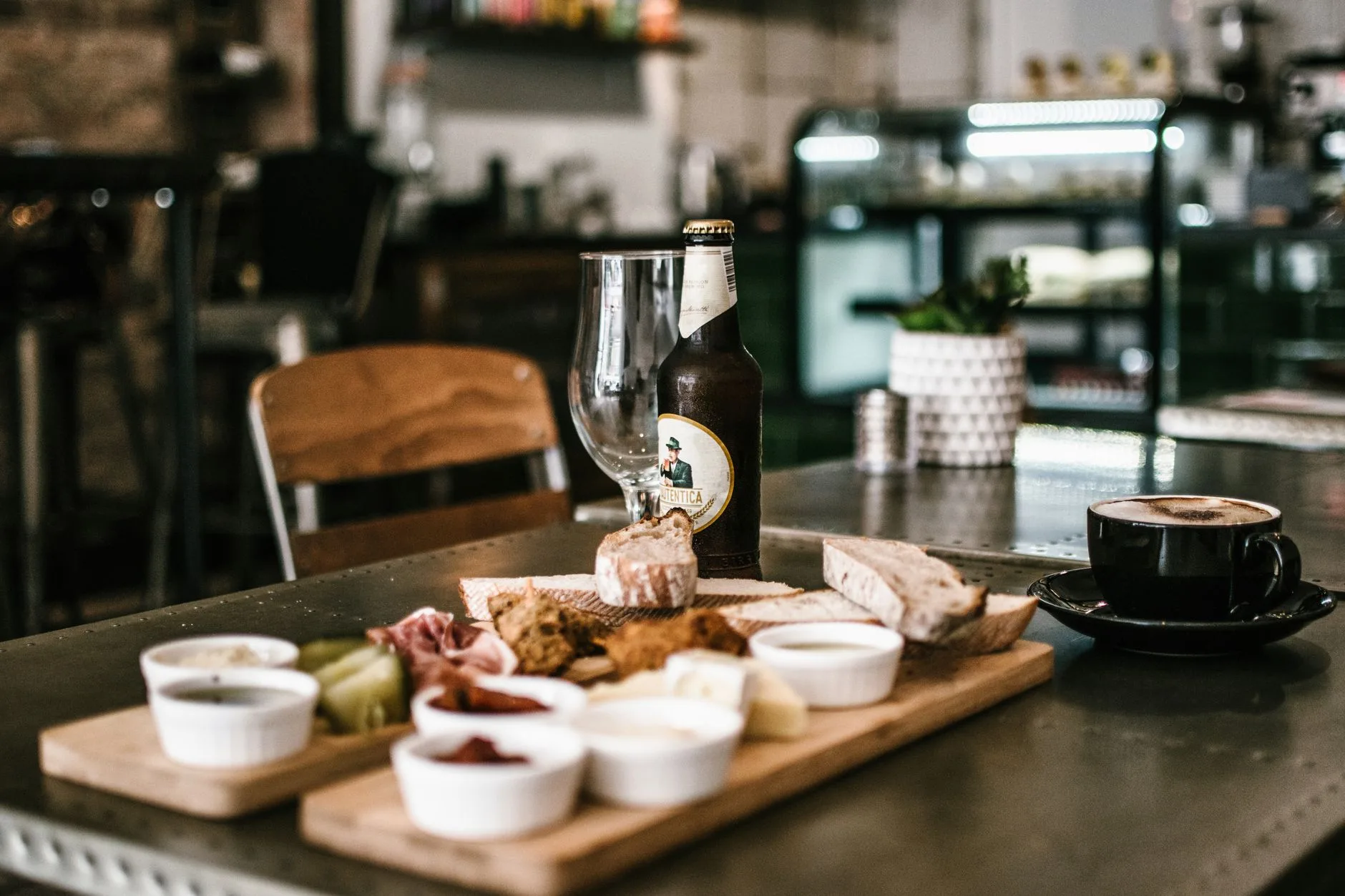
Keep Food, Water and Pacing Under Control
Food can help a beer tasting, but too much of it hijacks the night. You want plain palate resets, a few pairings, and water within reach from the start.
Palate resets
Put still water and plain crackers on the table before the first pour. Breadsticks, oatcakes and lightly salted crisps also work. Avoid chilli crisps, pickled onions and strong blue cheese until the formal tasting is done, because they bulldoze subtle beers.
Budget about £8 to £15 for snacks for six people if you are keeping it simple. A couple of cracker boxes, salted crisps, mature cheddar, pickles and a small charcuterie pack from Tesco or Sainsbury’s is enough. If you go into Waitrose cheese-board mode, it can hit £25 before the beer arrives.
Pairings that make sense
You only need two or three deliberate pairings:
- Pilsner with salted crisps: clean bitterness and salt make sense together.
- IPA with mature cheddar: hop bitterness cuts fat nicely.
- Porter with dark chocolate: roast malt and cocoa usually play well.
- Wheat beer with lemony chicken: bright, soft and easy.
If you serve homemade beer, match the food to the beer rather than the other way round. A classic English bitter wants pork pie, cheddar or sausage rolls more than fancy canapes.
Pacing
Plan on 90 minutes to two hours for six beers. Pour one sample, talk for 10 to 15 minutes, then move on. Leave a break after beer three. People can revisit earlier samples if they want, but do not leave full bottles open for an hour and expect them to taste fresh.
Keep the pour size small even when the beer is good. People can have a normal glass of their favourite at the end.
Run the Evening Without Making It Stiff
The host’s job is to keep the tasting moving and stop one confident person dominating every beer. The evening should feel like a good conversation with better glassware.
Set expectations at the start
Say what you are doing in one minute:
- We are tasting six beers. Each pour is small.
- We will start light and finish dark or stronger. That keeps flavours clear.
- Say what you actually taste. There are no clever answers required.
- Tip away anything you do not want. Nobody has to finish every sample.
That last point matters. A dump jug makes the night more relaxed, especially when a guest dislikes sour beer or a strong stout.
Reveal enough detail
After each first impression round, reveal the brewery, beer style, ABV and price. Mention one useful production detail if you know it: hop variety, yeast strain, malt bill, ageing method or whether it is bottle-conditioned.
Do not read the whole label aloud. Labels are often written by someone who thinks “tropical explosion” is a flavour note. Give people the facts, then let the beer speak.
End with a winner
Ask everyone to pick:
- Best beer overall
- Best value
- Biggest surprise
- One they would not buy again
The “would not buy again” answer is useful, not rude. It helps people learn their own preferences. I have seen people discover they love porter but cannot stand sweet pastry stout, which is a perfectly sensible line to draw.
Common beer tasting mistakes
Most bad beer tastings fail because they try to do too much. Too many beers, too much food, too many facts, too little water. Keep the format narrow and the night becomes easier.
Starting too strong
Do not start with double IPA, imperial stout or anything barrel-aged. It makes the next few beers taste smaller than they are. If someone has brought a big special bottle, put it at the end and treat it as the finish.
Pouring full glasses
A tasting pour is a sample, not a serving. Full glasses slow the night down, push the alcohol up and make people less willing to tip beer away. Use 75ml pours and keep the bottles nearby for favourites later.
Buying six similar beers
Six hazy IPAs might sound great if you love hazy IPA, but most guests will struggle to describe the difference after the third one. If you want a single-style tasting, make the contrast deliberate: supermarket, local brewery, classic British, American-style, low-alcohol and premium version.
For low-strength options, include one from our low-alcohol beer brewing notes or buy a decent 0.5% beer for comparison. Guinness 0.0, Lucky Saint and Big Drop are usually around £1.50 to £2.50 a bottle or can in UK supermarkets, and they make a useful talking point.
Forgetting the boring practical bits
Clear fridge space, chill the right beers, charge your phone if you are using notes, and put a cloth nearby. Beer tasting is sticky. Someone will over-pour. Someone will nearly elbow a glass. Better to be ready than precious.
The bottom line: choose six beers with a reason, pour them small, keep people talking, and save the full pints for after the tasting. That is how to host beer tasting at home without making it feel like homework.
Frequently Asked Questions
How many beers do you need for a home beer tasting? Six beers is ideal for most home tastings. It gives enough variety without tiring everyone’s palate, and it keeps the budget around £30 to £55 for six adults.
How much beer should I pour for each sample? Pour 75ml to 100ml per beer per person. That is enough to smell, taste and compare without turning each sample into a full drink.
What order should beers be tasted in? Start with lighter, cleaner beers such as pilsner or blonde ale, then move through pale ales, IPAs, maltier beers, dark beers and stronger or sour beers last.
Do I need special beer tasting glasses? No. Small wine glasses or clean half-pint glasses work fine. Specialist tasting glasses are nice, but they are not needed for a relaxed first tasting.
Should a beer tasting be blind? Blind tasting is useful if you want honest reactions without brand bias. For mixed groups, a half-blind format works best: taste first, then reveal the brewery, style, ABV and price.
Can I include my own homebrew in the tasting? Yes, but place it beside a similar commercial beer and be open about any faults. It makes the comparison fairer and gives guests a clearer reference point.